



Gifting Made Simple
Give the Gift of ChoiceClick below to purchase a Bramalea City Centre eGift Card that can be used at participating retailers at Bramalea City Centre.Purchase HereHome
Analyzing Computer System Performance with Perl: : PDQ
Coles
Loading Inventory...
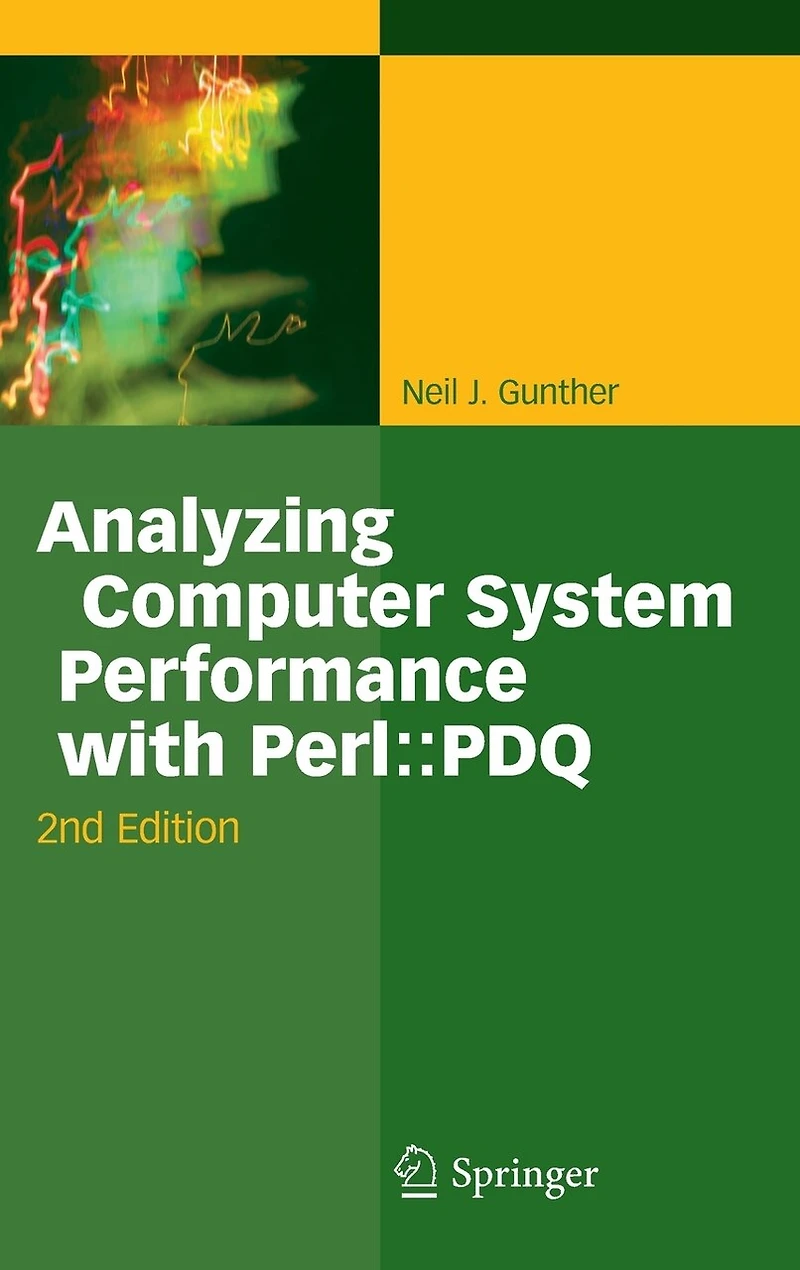
Analyzing Computer System Performance with Perl: : PDQ in Brampton, ON
Current price: $80.50
Coles
Analyzing Computer System Performance with Perl: : PDQ in Brampton, ON
Current price: $80.50
Loading Inventory...
Size: Hardcover
*Product information and pricing may vary - to confirm current pricing, availability, shipping, and return information please contact Coles. In the event of a pricing discrepancy, the retailer's price will apply.
To solve performance problems in modern computing infrastructures, often comprising thousands of servers running hundreds of applications, spanning multiple tiers, you need tools that go beyond mere reporting. You need tools that enable performance analysis of application workflow across the entire enterprise. That's what PDQ (Pretty Damn Quick) provides. PDQ is an open-source performance analyzer based on the paradigm of queues. Queues are ubiquitous in every computing environment as buffers, and since any application architecture can be represented as a circuit of queueing delays, PDQ is a natural fit for analyzing system performance. Building on the success of the first edition, this considerably expanded second edition now comprises four parts. Part I contains the foundational concepts, as well as a new first chapter that explains the central role of queues in successful performance analysis. Part II provides the basics of queueing theory in a highly intelligible style for the non-mathematician; little more than high-school algebra being required. Part III presents many practical examples of how PDQ can be applied. The PDQ manual has been relegated to an appendix in Part IV, along with solutions to the exercises contained in each chapter. Throughout, the Perl code listings have been newly formatted to improve readability. The PDQ code and updates to the PDQ manual are available from the author's web site at www.perfdynamics.com
To solve performance problems in modern computing infrastructures, often comprising thousands of servers running hundreds of applications, spanning multiple tiers, you need tools that go beyond mere reporting. You need tools that enable performance analysis of application workflow across the entire enterprise. That's what PDQ (Pretty Damn Quick) provides. PDQ is an open-source performance analyzer based on the paradigm of queues. Queues are ubiquitous in every computing environment as buffers, and since any application architecture can be represented as a circuit of queueing delays, PDQ is a natural fit for analyzing system performance. Building on the success of the first edition, this considerably expanded second edition now comprises four parts. Part I contains the foundational concepts, as well as a new first chapter that explains the central role of queues in successful performance analysis. Part II provides the basics of queueing theory in a highly intelligible style for the non-mathematician; little more than high-school algebra being required. Part III presents many practical examples of how PDQ can be applied. The PDQ manual has been relegated to an appendix in Part IV, along with solutions to the exercises contained in each chapter. Throughout, the Perl code listings have been newly formatted to improve readability. The PDQ code and updates to the PDQ manual are available from the author's web site at www.perfdynamics.com
You May Also Like










Find at Bramalea City Centre in Brampton, ON
Visit at Bramalea City Centre in Brampton, ON