



Gifting Made Simple
Give the Gift of ChoiceClick below to purchase a Bramalea City Centre eGift Card that can be used at participating retailers at Bramalea City Centre.Purchase HereHome
Analytical and Chromatographic Techniques Radiopharmaceutical Chemistry
Coles
Loading Inventory...
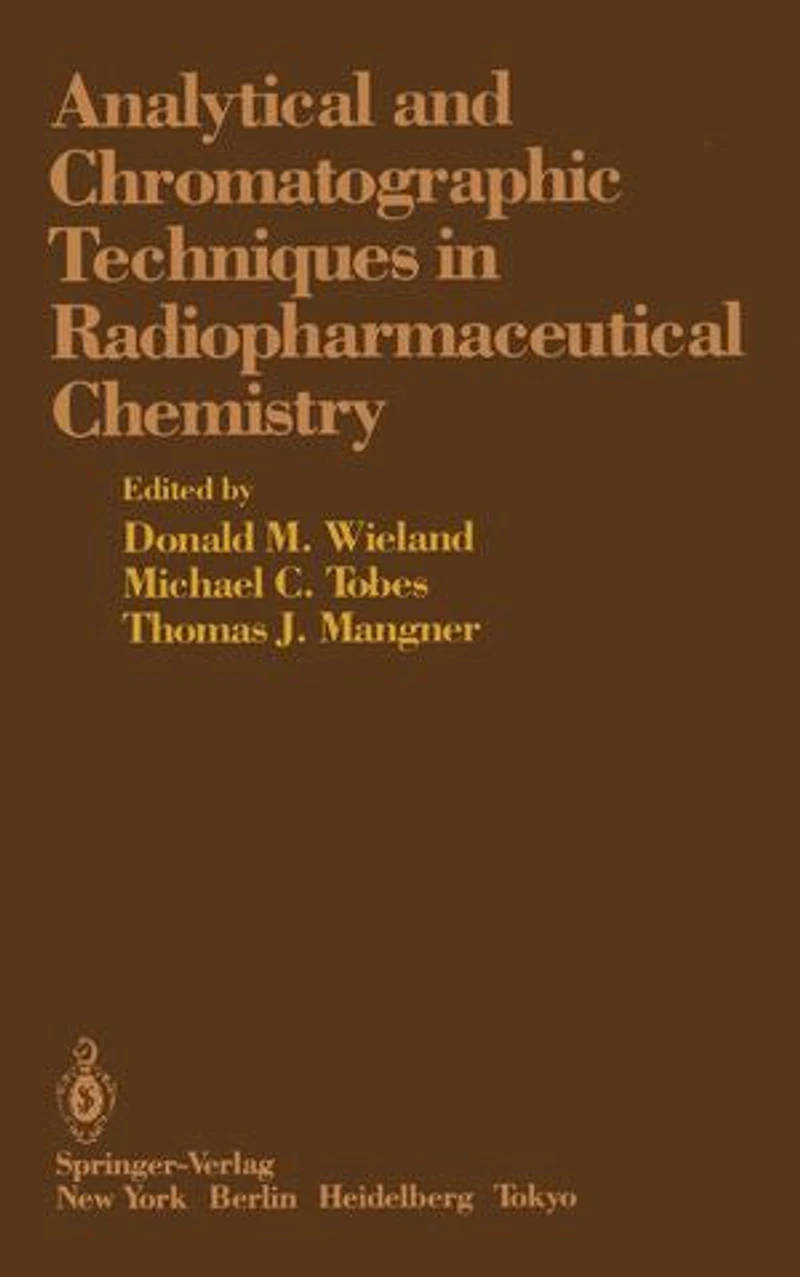
Analytical and Chromatographic Techniques Radiopharmaceutical Chemistry in Brampton, ON
Current price: $64.49
Original price: $80.62
Coles
Analytical and Chromatographic Techniques Radiopharmaceutical Chemistry in Brampton, ON
Current price: $64.49
Original price: $80.62
Loading Inventory...
Size: Kobo eBook
*Product information and pricing may vary - to confirm current pricing, availability, shipping, and return information please contact Coles. In the event of a pricing discrepancy, the retailer's price will apply.
In 1906, Michael T. Sweet first developed the chromatographic method by using an adsorbant to separate pigments. Since that time, the technological advances in TLC and HPLC have brought about new definitions of purity in parallel with the advances. Radiopharmaceutical chemistry is especially dependent on the chromat ographic technique because of the relatively small amount of material in most radiopharmaceuticals-often so small that the usual physical methods of analytical chemistry cannot be used. As a result, this collection of papers represents the key to successful radiopharmaceutical development by setting the standard for the pres of radiochemical purity. ent-day definition William C. Eckelman, Ph.D. Diagnostics Associate Director The Squibb Institute for Medical Research New Brunswick, New Jersey Preface The chapters herein are updated and expanded versions of presentations that the authors made at a symposium held on June 4, 1984 in Los Angeles, California under the sponsorship of the Radiopharmaceutical Science Council of the Society of Nuclear Medicine. All manuscripts were refereed. The intent of the symposium organizers was to enlist participants who work on a day-to-day basis with the analytical and chromatographic techniques to be discussed at the symposium. We feel confident that this distillation of hands-on experience will be of value to graduate students as well as experienced researchers in radio pharmaceutical chemistry and related fields which use radiotracer methodology.
In 1906, Michael T. Sweet first developed the chromatographic method by using an adsorbant to separate pigments. Since that time, the technological advances in TLC and HPLC have brought about new definitions of purity in parallel with the advances. Radiopharmaceutical chemistry is especially dependent on the chromat ographic technique because of the relatively small amount of material in most radiopharmaceuticals-often so small that the usual physical methods of analytical chemistry cannot be used. As a result, this collection of papers represents the key to successful radiopharmaceutical development by setting the standard for the pres of radiochemical purity. ent-day definition William C. Eckelman, Ph.D. Diagnostics Associate Director The Squibb Institute for Medical Research New Brunswick, New Jersey Preface The chapters herein are updated and expanded versions of presentations that the authors made at a symposium held on June 4, 1984 in Los Angeles, California under the sponsorship of the Radiopharmaceutical Science Council of the Society of Nuclear Medicine. All manuscripts were refereed. The intent of the symposium organizers was to enlist participants who work on a day-to-day basis with the analytical and chromatographic techniques to be discussed at the symposium. We feel confident that this distillation of hands-on experience will be of value to graduate students as well as experienced researchers in radio pharmaceutical chemistry and related fields which use radiotracer methodology.
You May Also Like








Find at Bramalea City Centre in Brampton, ON
Visit at Bramalea City Centre in Brampton, ON