



Gifting Made Simple
Give the Gift of ChoiceClick below to purchase a Bramalea City Centre eGift Card that can be used at participating retailers at Bramalea City Centre.Purchase HereHome
Analysis File of Drug-Induced Lung Injury: Expert Opinion for Big Data
Coles
Loading Inventory...
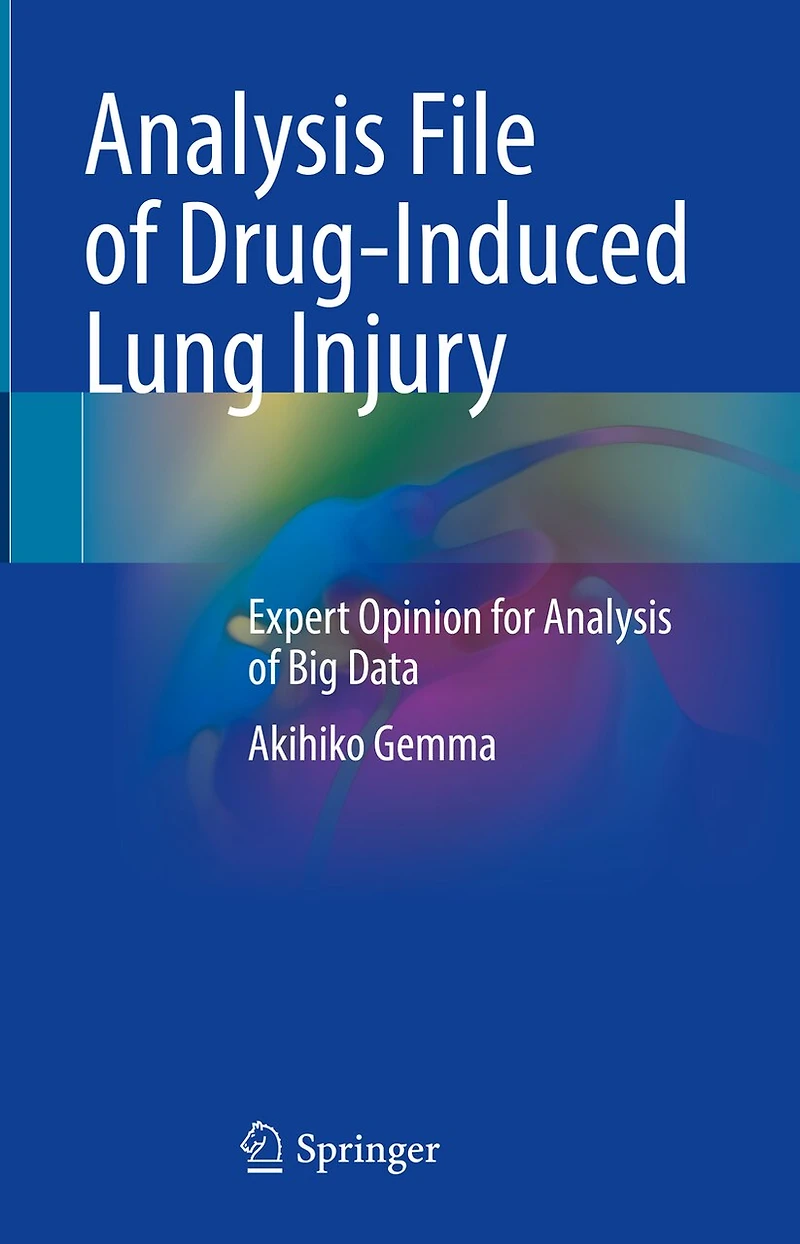
Analysis File of Drug-Induced Lung Injury: Expert Opinion for Big Data in Brampton, ON
Current price: $160.95
Coles
Analysis File of Drug-Induced Lung Injury: Expert Opinion for Big Data in Brampton, ON
Current price: $160.95
Loading Inventory...
Size: Hardcover
*Product information and pricing may vary - to confirm current pricing, availability, shipping, and return information please contact Coles. In the event of a pricing discrepancy, the retailer's price will apply.
This book describes the pathologic conditions of drug-induced lung injuries, monitoring strategies, and guides on how to interpret the evidence. It also dives into particular drugs that caused the disorder, such as EGFR inhibitors, anti-EGFR antibodies, mTOR inhibitors, proteasome inhibitors, immune checkpoint inhibitors, neoangiogenesis inhibitors, and other molecular targeted drugs. It outlines the analysis and interpretation of the post-marketing survey on surveillance of each drug for inducing pulmonary lesions presenting diffuse haziness. The data and analysis from this survey are valuable since a guideline is yet to be established due to limited clinical evidence and cases. As new drugs are developed, establishing treatment and event management is crucial. Thus, Drug-induced Pulmonary Disorder in Medical Oncology - Expert Opinion to Decipher Big Data summarizes the accumulated information to provide a foundation for further research advancement. The book offers a refreshing alternative to current approaches to medical oncology and respiratory diseases professionals and will also attract medical affairs members in global pharmaceutical companies.
This book describes the pathologic conditions of drug-induced lung injuries, monitoring strategies, and guides on how to interpret the evidence. It also dives into particular drugs that caused the disorder, such as EGFR inhibitors, anti-EGFR antibodies, mTOR inhibitors, proteasome inhibitors, immune checkpoint inhibitors, neoangiogenesis inhibitors, and other molecular targeted drugs. It outlines the analysis and interpretation of the post-marketing survey on surveillance of each drug for inducing pulmonary lesions presenting diffuse haziness. The data and analysis from this survey are valuable since a guideline is yet to be established due to limited clinical evidence and cases. As new drugs are developed, establishing treatment and event management is crucial. Thus, Drug-induced Pulmonary Disorder in Medical Oncology - Expert Opinion to Decipher Big Data summarizes the accumulated information to provide a foundation for further research advancement. The book offers a refreshing alternative to current approaches to medical oncology and respiratory diseases professionals and will also attract medical affairs members in global pharmaceutical companies.
You May Also Like















Find at Bramalea City Centre in Brampton, ON
Visit at Bramalea City Centre in Brampton, ON