



Gifting Made Simple
Give the Gift of ChoiceClick below to purchase a Bramalea City Centre eGift Card that can be used at participating retailers at Bramalea City Centre.Purchase HereHome
Analogue Africa: Notes on the Anti-Colonial Imagination
Coles
Loading Inventory...
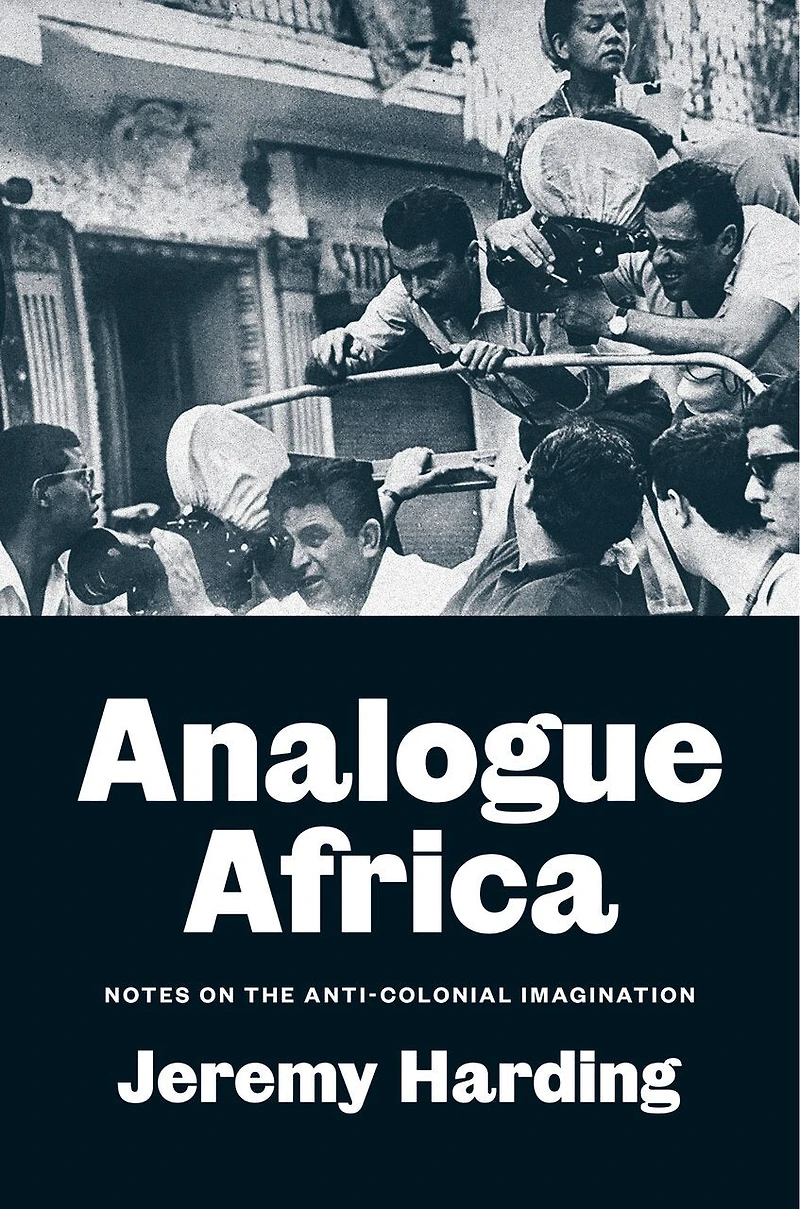
Analogue Africa: Notes on the Anti-Colonial Imagination in Brampton, ON
Current price: $35.95
Coles
Analogue Africa: Notes on the Anti-Colonial Imagination in Brampton, ON
Current price: $35.95
Loading Inventory...
Size: Hardcover
*Product information and pricing may vary - to confirm current pricing, availability, shipping, and return information please contact Coles. In the event of a pricing discrepancy, the retailer's price will apply.
A ground-breaking collection of essays on African art, culture and de-colonial imagination
Africa is a convenient abbreviation for 54 countries in which more than a thousand languages are spoken. This book offers a side-long glance, one that complicate the idea of a single continent by picking out specific episodes, specific practices–cinema, art, ethnography and journalism–that rescue us from generalisations. So much of what we understand about these places comes from western media sources and informed by a need to treat Africa as a metaphor.
Analogue Africa excavates the many facets of the anti-colonial imagination: cinema, photography, art and journalism. The book celebrates the ingenuity with which African artists, and a handful of Europeans, have reimagined the colonial encounter and the struggle against white minority rule.
This includes artists, filmmakers and photographers such as John Akomfrah, William Kentridge, Binyavanga Wainaina, Seydou Keïta, Sanlé Sory and Ruth Motau. Harding also looks at the role of western museums, The British Museum, the Musée du quai Branly, Tervuren, that display African art, and what it says about the post colonial imagination.
A ground-breaking collection of essays on African art, culture and de-colonial imagination
Africa is a convenient abbreviation for 54 countries in which more than a thousand languages are spoken. This book offers a side-long glance, one that complicate the idea of a single continent by picking out specific episodes, specific practices–cinema, art, ethnography and journalism–that rescue us from generalisations. So much of what we understand about these places comes from western media sources and informed by a need to treat Africa as a metaphor.
Analogue Africa excavates the many facets of the anti-colonial imagination: cinema, photography, art and journalism. The book celebrates the ingenuity with which African artists, and a handful of Europeans, have reimagined the colonial encounter and the struggle against white minority rule.
This includes artists, filmmakers and photographers such as John Akomfrah, William Kentridge, Binyavanga Wainaina, Seydou Keïta, Sanlé Sory and Ruth Motau. Harding also looks at the role of western museums, The British Museum, the Musée du quai Branly, Tervuren, that display African art, and what it says about the post colonial imagination.
You May Also Like








Find at Bramalea City Centre in Brampton, ON
Visit at Bramalea City Centre in Brampton, ON