



Gifting Made Simple
Give the Gift of ChoiceClick below to purchase a Bramalea City Centre eGift Card that can be used at participating retailers at Bramalea City Centre.Purchase HereHome
Anaesthetics of Existence: Essays on Experience at the Edge
Coles
Loading Inventory...
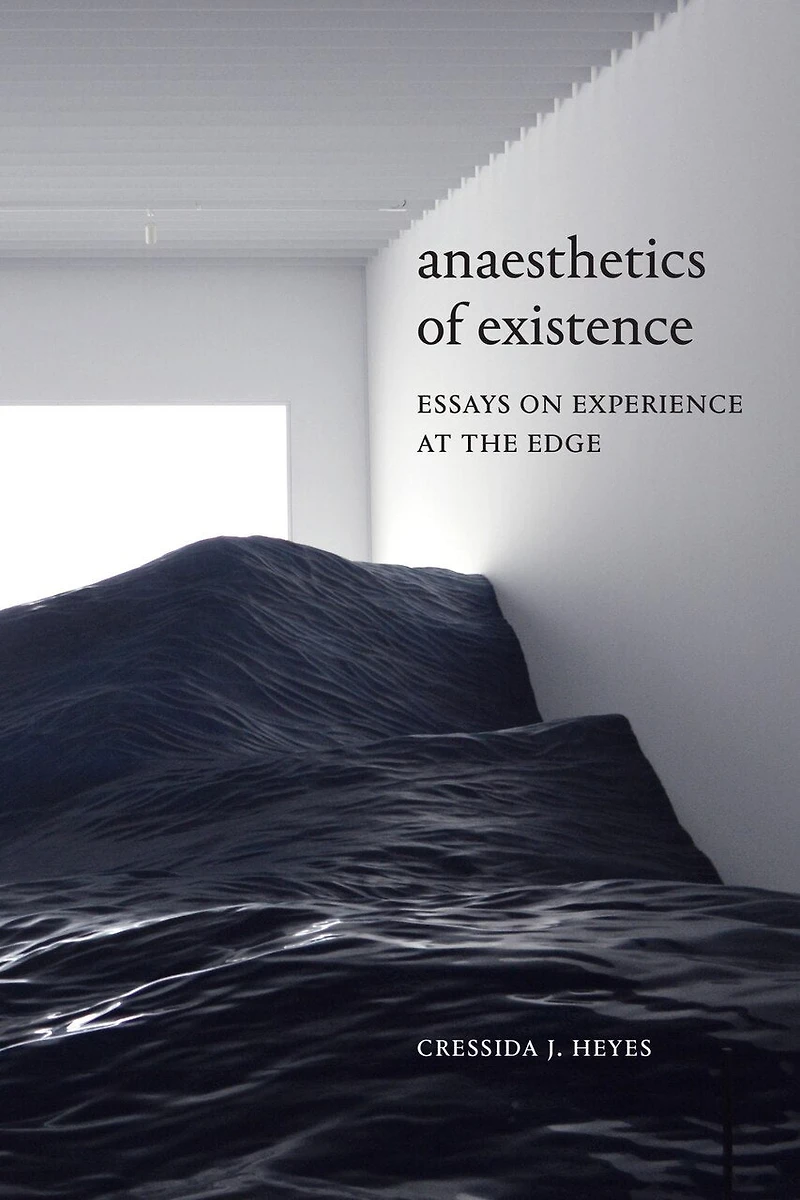
Anaesthetics of Existence: Essays on Experience at the Edge in Brampton, ON
Current price: $161.95
Coles
Anaesthetics of Existence: Essays on Experience at the Edge in Brampton, ON
Current price: $161.95
Loading Inventory...
Size: Hardcover
*Product information and pricing may vary - to confirm current pricing, availability, shipping, and return information please contact Coles. In the event of a pricing discrepancy, the retailer's price will apply.
"Experience" is a thoroughly political category, a social and historical product not authored by any individual. At the same time, "the personal is political," and one's own lived experience is an important epistemic resource. In Anaesthetics of Existence Cressida J. Heyes reconciles these two positions, drawing on examples of things that happen to us but are nonetheless excluded from experience. If for Foucault an "aesthetics of existence" was a project of making one's life a work of art, Heyes's "anaesthetics of existence" describes antiprojects that are tacitly excluded from life-but should be brought back in. Drawing on critical phenomenology, genealogy, and feminist theory, Heyes shows how and why experience has edges, and she analyzes phenomena that press against those edges. Essays on sexual violence against unconscious victims, the temporality of drug use, and childbirth as a limit-experience build a politics of experience while showcasing Heyes's much-needed new philosophical method.
"Experience" is a thoroughly political category, a social and historical product not authored by any individual. At the same time, "the personal is political," and one's own lived experience is an important epistemic resource. In Anaesthetics of Existence Cressida J. Heyes reconciles these two positions, drawing on examples of things that happen to us but are nonetheless excluded from experience. If for Foucault an "aesthetics of existence" was a project of making one's life a work of art, Heyes's "anaesthetics of existence" describes antiprojects that are tacitly excluded from life-but should be brought back in. Drawing on critical phenomenology, genealogy, and feminist theory, Heyes shows how and why experience has edges, and she analyzes phenomena that press against those edges. Essays on sexual violence against unconscious victims, the temporality of drug use, and childbirth as a limit-experience build a politics of experience while showcasing Heyes's much-needed new philosophical method.
You May Also Like










Find at Bramalea City Centre in Brampton, ON
Visit at Bramalea City Centre in Brampton, ON