



Gifting Made Simple
Give the Gift of ChoiceClick below to purchase a Bramalea City Centre eGift Card that can be used at participating retailers at Bramalea City Centre.Purchase HereHome
An Existential Phenomenology of Addiction
Coles
Loading Inventory...
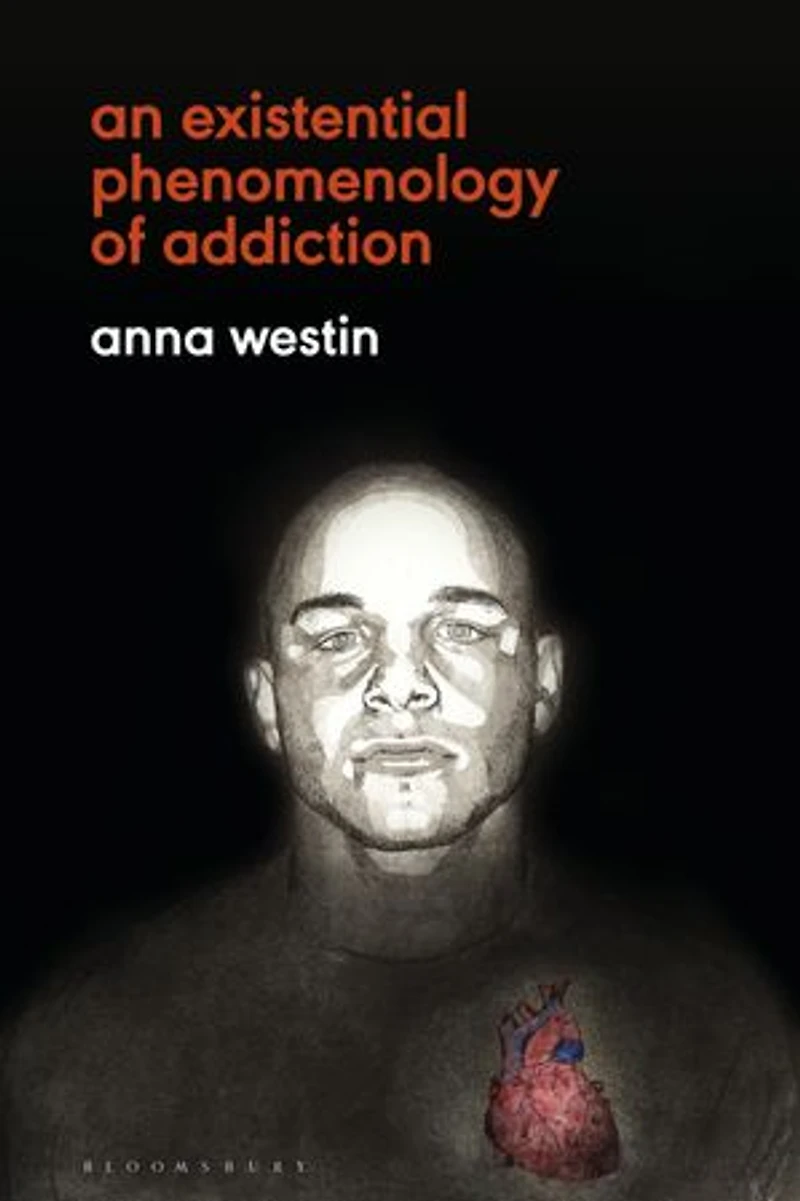
An Existential Phenomenology of Addiction in Brampton, ON
Current price: $47.49
Original price: $59.35
Coles
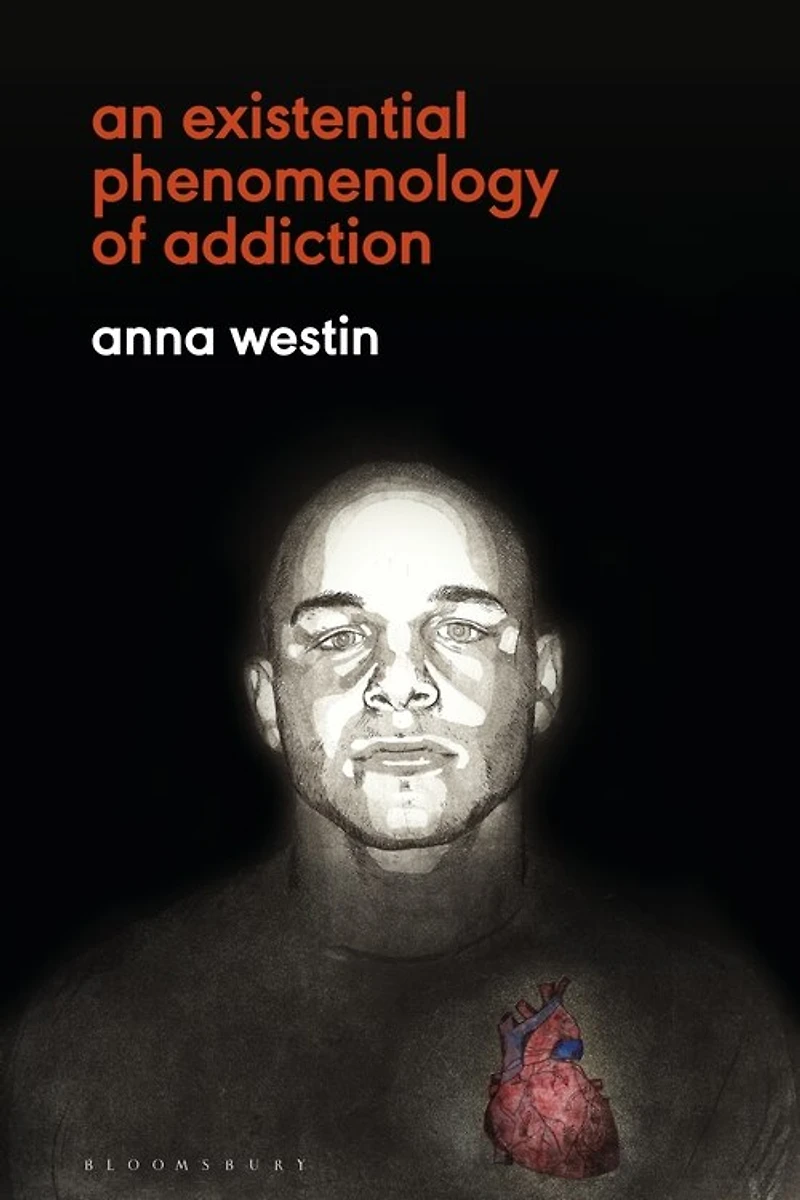
An Existential Phenomenology of Addiction in Brampton, ON
Current price: $47.49
Original price: $59.35
Loading Inventory...
Size: Kobo eBook
*Product information and pricing may vary - to confirm current pricing, availability, shipping, and return information please contact Coles. In the event of a pricing discrepancy, the retailer's price will apply.
Existential phenomenology can be a particularly helpful philosophical method for understanding human experience. Starting from the perspective of the subject, it can clarify and problematize subtle everyday relations, enabling greater insight into difficult situations. Used by contemporary philosophers as a way of understanding the embodied experience of illness, this method has been helpful for understanding physical illness in the medical humanities, offering a fruitful way of reading the subjectivity of mental states. An Existential Phenomenology of Addiction examines how the experience of addiction engages both mental and physical phenomena within the existence of a particular human life, using the philosophy of Emmanuel Lévinas and Soren Kierkegaard. The book maps out an existential phenomenology of subject-in-relation. Both Lévinas and Kierkegaard use decidedly psychological and theological language to situate their philosophy, discussing the subject through concepts of love, otherness, responsibility and hope, while played out in a situation of anxiety, suffering, desire and revelation. Combining existential phenomenological discourse with contemporary addiction discourse, Westin argues that the concept of subject as 'addict', as found in the Twelve Steps Program and disease models of addiction, ought to be replaced with the free and relational identity of subject as 'addicted'.
Existential phenomenology can be a particularly helpful philosophical method for understanding human experience. Starting from the perspective of the subject, it can clarify and problematize subtle everyday relations, enabling greater insight into difficult situations. Used by contemporary philosophers as a way of understanding the embodied experience of illness, this method has been helpful for understanding physical illness in the medical humanities, offering a fruitful way of reading the subjectivity of mental states. An Existential Phenomenology of Addiction examines how the experience of addiction engages both mental and physical phenomena within the existence of a particular human life, using the philosophy of Emmanuel Lévinas and Soren Kierkegaard. The book maps out an existential phenomenology of subject-in-relation. Both Lévinas and Kierkegaard use decidedly psychological and theological language to situate their philosophy, discussing the subject through concepts of love, otherness, responsibility and hope, while played out in a situation of anxiety, suffering, desire and revelation. Combining existential phenomenological discourse with contemporary addiction discourse, Westin argues that the concept of subject as 'addict', as found in the Twelve Steps Program and disease models of addiction, ought to be replaced with the free and relational identity of subject as 'addicted'.
You May Also Like














Find at Bramalea City Centre in Brampton, ON
Visit at Bramalea City Centre in Brampton, ON