



Gifting Made Simple
Give the Gift of ChoiceClick below to purchase a Bramalea City Centre eGift Card that can be used at participating retailers at Bramalea City Centre.Purchase HereHome
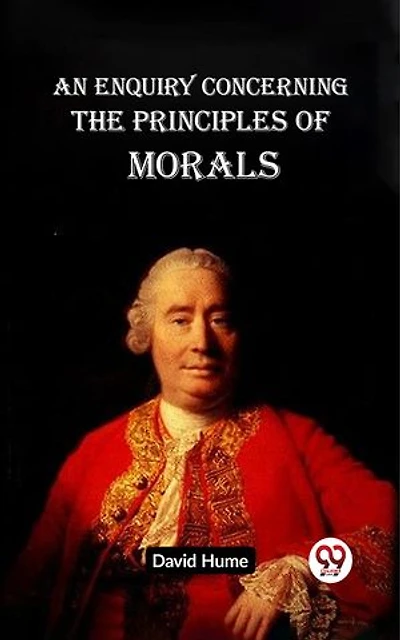
An Enquiry Concerning the Principles of Morals
Coles
Loading Inventory...
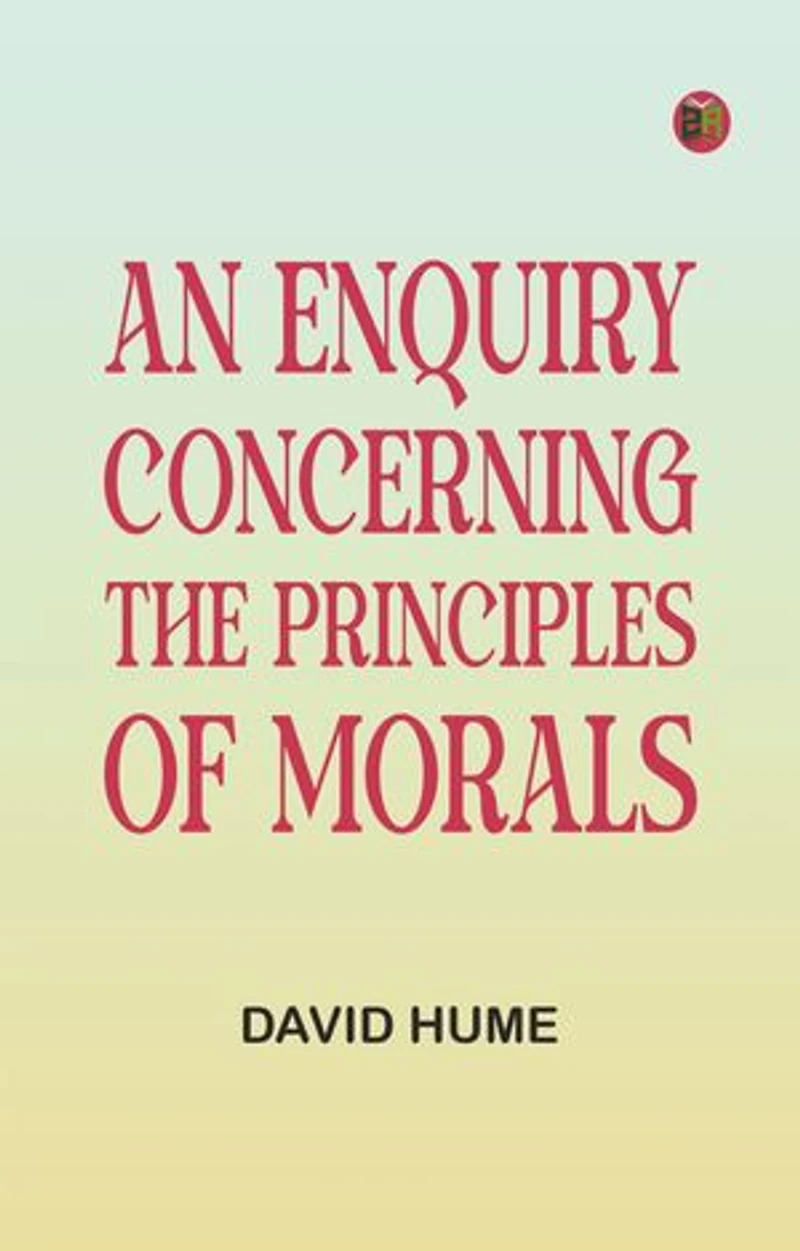
An Enquiry Concerning the Principles of Morals in Brampton, ON
Current price: $1.29
Coles
An Enquiry Concerning the Principles of Morals in Brampton, ON
Current price: $1.29
Loading Inventory...
Size: Kobo eBook
*Product information and pricing may vary - to confirm current pricing, availability, shipping, and return information please contact Coles. In the event of a pricing discrepancy, the retailer's price will apply.
"An Enquiry Concerning the Principles of Morals" by David Hume is a foundational text in moral philosophy that explores the nature of human ethics and the principles that govern moral judgments. Hume argues that our moral beliefs are rooted in human sentiments rather than rational deductions. He emphasizes the importance of feelings and social interactions in shaping our understanding of right and wrong, suggesting that morality is not derived from divine command or rationality but from human nature and the experiences that bind us together as a society.***In this work, Hume critiques the rationalist approaches to ethics that dominated his time, advocating instead for a more empirical and psychological understanding of morality. He introduces the idea that moral distinctions arise from the approval or disapproval of actions based on their consequences for human happiness. Hume's insights laid the groundwork for later ethical theories, influencing thinkers such as Kant and utilitarian philosophers. His emphasis on the role of emotions in moral reasoning continues to resonate in contemporary discussions about ethics and moral psychology.
"An Enquiry Concerning the Principles of Morals" by David Hume is a foundational text in moral philosophy that explores the nature of human ethics and the principles that govern moral judgments. Hume argues that our moral beliefs are rooted in human sentiments rather than rational deductions. He emphasizes the importance of feelings and social interactions in shaping our understanding of right and wrong, suggesting that morality is not derived from divine command or rationality but from human nature and the experiences that bind us together as a society.***In this work, Hume critiques the rationalist approaches to ethics that dominated his time, advocating instead for a more empirical and psychological understanding of morality. He introduces the idea that moral distinctions arise from the approval or disapproval of actions based on their consequences for human happiness. Hume's insights laid the groundwork for later ethical theories, influencing thinkers such as Kant and utilitarian philosophers. His emphasis on the role of emotions in moral reasoning continues to resonate in contemporary discussions about ethics and moral psychology.
You May Also Like











Find at Bramalea City Centre in Brampton, ON
Visit at Bramalea City Centre in Brampton, ON