



Gifting Made Simple
Give the Gift of ChoiceClick below to purchase a Bramalea City Centre eGift Card that can be used at participating retailers at Bramalea City Centre.Purchase HereHome
An Empire of Images: Visual Culture and the British in India
Coles
Loading Inventory...
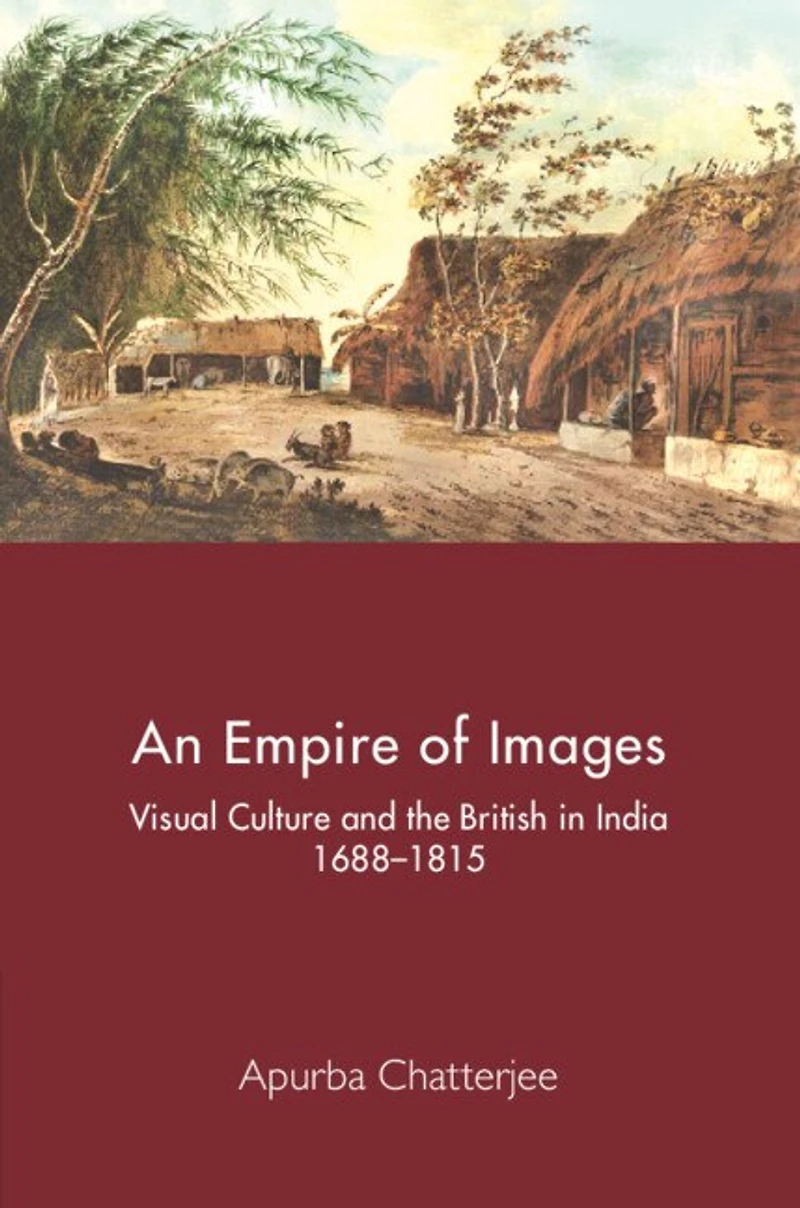

An Empire of Images: Visual Culture and the British in India in Brampton, ON
Current price: $149.95
Coles
An Empire of Images: Visual Culture and the British in India in Brampton, ON
Current price: $149.95
Loading Inventory...
Size: Hardcover
*Product information and pricing may vary - to confirm current pricing, availability, shipping, and return information please contact Coles. In the event of a pricing discrepancy, the retailer's price will apply.
How did Britons come to see themselves as fit to govern India? An Empire of Images focuses on the visual arts as central to the making of political legitimacy during the long eighteenth century. Through images by both British and Indian artists, this book explores how peoples, landscapes, flora, and fauna in India became part of an imperial self-image. Torn between open triumphalism and anxious contingency, British artists and patrons sought to dissect India's mysteries and justify East India Company rule under the Crown. Meanwhile, Indian artists interpreted the realities of British hegemony in terms of both their native cultural resources and modes introduced by the colonizer. Tracing an emerging imperial ideology on canvas and in prints, as well as the pages of official archives and personal papers, this book offers new insights into reconfigurations of power in a period of European expansion in Asia. As Chatterjee argues, early colonial India became a site for contestation around British visual ascendancy, which must complicate our own understandings of honour, guilt, knowledge, and belonging.
How did Britons come to see themselves as fit to govern India? An Empire of Images focuses on the visual arts as central to the making of political legitimacy during the long eighteenth century. Through images by both British and Indian artists, this book explores how peoples, landscapes, flora, and fauna in India became part of an imperial self-image. Torn between open triumphalism and anxious contingency, British artists and patrons sought to dissect India's mysteries and justify East India Company rule under the Crown. Meanwhile, Indian artists interpreted the realities of British hegemony in terms of both their native cultural resources and modes introduced by the colonizer. Tracing an emerging imperial ideology on canvas and in prints, as well as the pages of official archives and personal papers, this book offers new insights into reconfigurations of power in a period of European expansion in Asia. As Chatterjee argues, early colonial India became a site for contestation around British visual ascendancy, which must complicate our own understandings of honour, guilt, knowledge, and belonging.
You May Also Like











Find at Bramalea City Centre in Brampton, ON
Visit at Bramalea City Centre in Brampton, ON