



Gifting Made Simple
Give the Gift of ChoiceClick below to purchase a Bramalea City Centre eGift Card that can be used at participating retailers at Bramalea City Centre.Purchase HereHome
An Economic History Of Ireland Since Independence
Coles
Loading Inventory...
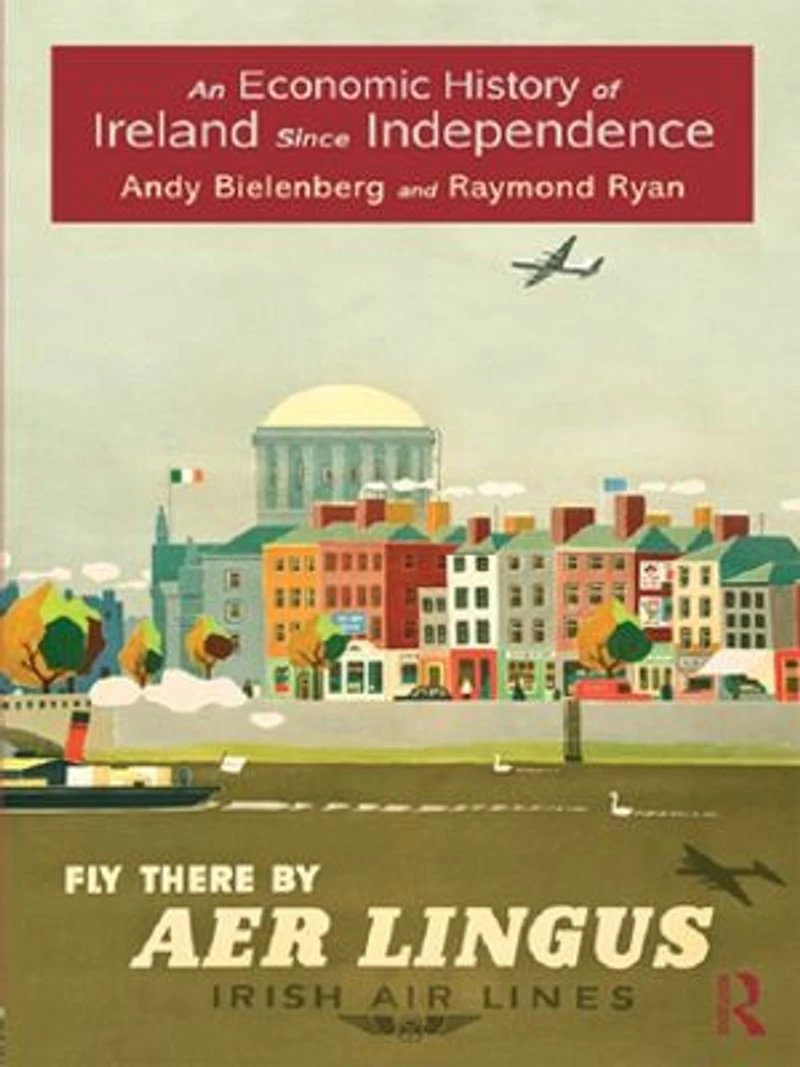
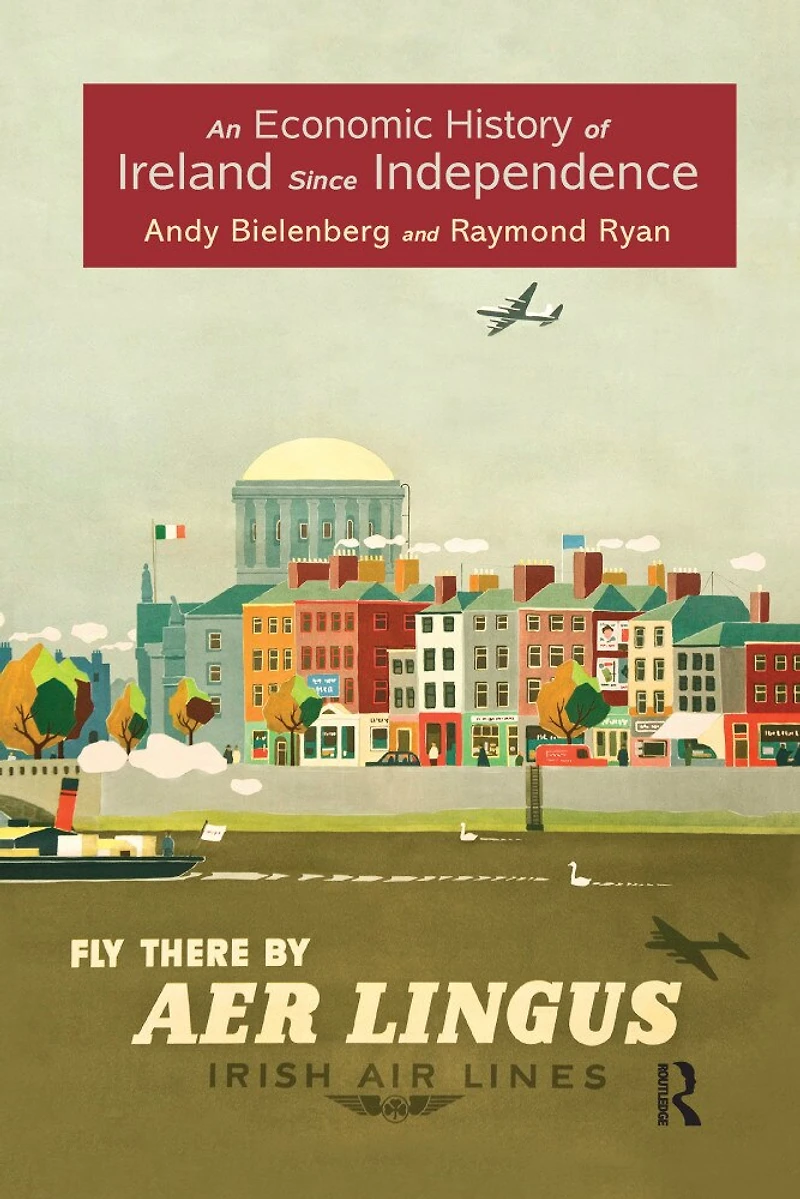
An Economic History Of Ireland Since Independence in Brampton, ON
Current price: $99.06
Coles
An Economic History Of Ireland Since Independence in Brampton, ON
Current price: $99.06
Loading Inventory...
Size: Kobo eBook
*Product information and pricing may vary - to confirm current pricing, availability, shipping, and return information please contact Coles. In the event of a pricing discrepancy, the retailer's price will apply.
This book provides a cogent summary of the economic history of the Irish Free State/Republic of Ireland. It takes the Irish story from the 1920s right through to the present, providing an excellent case study of one of many European states which obtained independence during and after the First World War. The book covers the transition to protectionism and import substitution between the 1930s and the 1950s and the second major transition to trade liberalisation from the 1960s. In a wider European context, the Irish experience since EEC entry in 1973 was the most extreme European example of the achievement of industrialisation through foreign direct investment. The eager adoption of successive governments in recent decades of a neo-liberal economic model, more particularly de-regulation in banking and construction, has recently led the Republic of Ireland to the most extreme economic crash of any western society since the Great Depression.
This book provides a cogent summary of the economic history of the Irish Free State/Republic of Ireland. It takes the Irish story from the 1920s right through to the present, providing an excellent case study of one of many European states which obtained independence during and after the First World War. The book covers the transition to protectionism and import substitution between the 1930s and the 1950s and the second major transition to trade liberalisation from the 1960s. In a wider European context, the Irish experience since EEC entry in 1973 was the most extreme European example of the achievement of industrialisation through foreign direct investment. The eager adoption of successive governments in recent decades of a neo-liberal economic model, more particularly de-regulation in banking and construction, has recently led the Republic of Ireland to the most extreme economic crash of any western society since the Great Depression.
You May Also Like








Find at Bramalea City Centre in Brampton, ON
Visit at Bramalea City Centre in Brampton, ON