



Gifting Made Simple
Give the Gift of ChoiceClick below to purchase a Bramalea City Centre eGift Card that can be used at participating retailers at Bramalea City Centre.Purchase HereHome
An Analysis Of Walter Benjamin's The Work Art Age Mechanical Reproduction
Coles
Loading Inventory...

An Analysis Of Walter Benjamin's The Work Art Age Mechanical Reproduction in Brampton, ON
Current price: $39.95
Coles
An Analysis Of Walter Benjamin's The Work Art Age Mechanical Reproduction in Brampton, ON
Current price: $39.95
Loading Inventory...
Size: Hardcover
*Product information and pricing may vary - to confirm current pricing, availability, shipping, and return information please contact Coles. In the event of a pricing discrepancy, the retailer's price will apply.
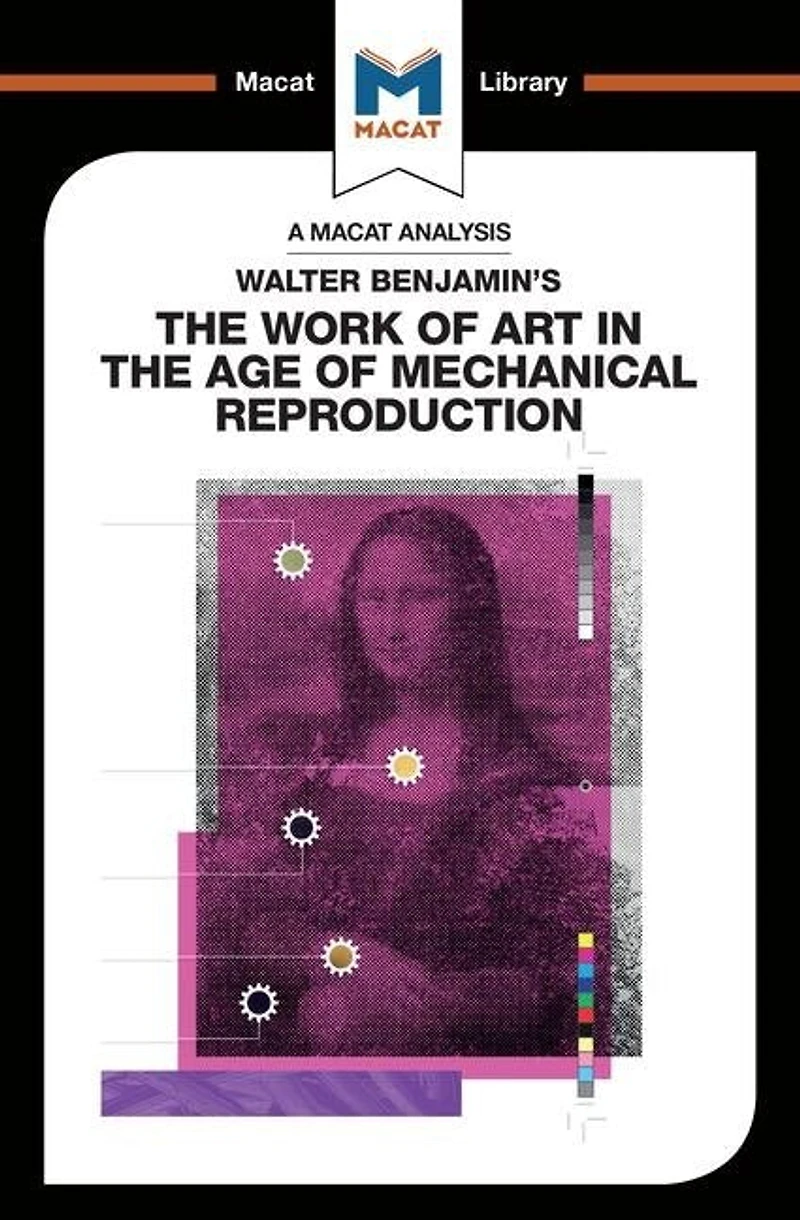
The Work of Art in the Age of Mechanical Reproduction combats traditional art criticism's treatment of artworks as fixed, unchanging mystical objects. For Walter Benjamin, the consequences of addressing a work of art in this manner have a wider resonance: closed off from any active visual or tactile engagement, the work of art becomes an object of passive contemplation and a potential tool of oppression. Benjamin argues that technology has fundamentally altered the way art is experienced. Potentially open to interpretation and accessible to many, art in the age of mechanical reproduction has the potential to be mobilized for radical purposes. While ostensibly addressing the artistic consequences of technical reproducibility on art, Benjamin also addresses the wider political consequences of this shift.
The Work of Art in the Age of Mechanical Reproduction combats traditional art criticism's treatment of artworks as fixed, unchanging mystical objects. For Walter Benjamin, the consequences of addressing a work of art in this manner have a wider resonance: closed off from any active visual or tactile engagement, the work of art becomes an object of passive contemplation and a potential tool of oppression. Benjamin argues that technology has fundamentally altered the way art is experienced. Potentially open to interpretation and accessible to many, art in the age of mechanical reproduction has the potential to be mobilized for radical purposes. While ostensibly addressing the artistic consequences of technical reproducibility on art, Benjamin also addresses the wider political consequences of this shift.
You May Also Like














Find at Bramalea City Centre in Brampton, ON
Visit at Bramalea City Centre in Brampton, ON