



Gifting Made Simple
Give the Gift of ChoiceClick below to purchase a Bramalea City Centre eGift Card that can be used at participating retailers at Bramalea City Centre.Purchase HereHome
An Analysis of Plato's Symposium
Coles
Loading Inventory...
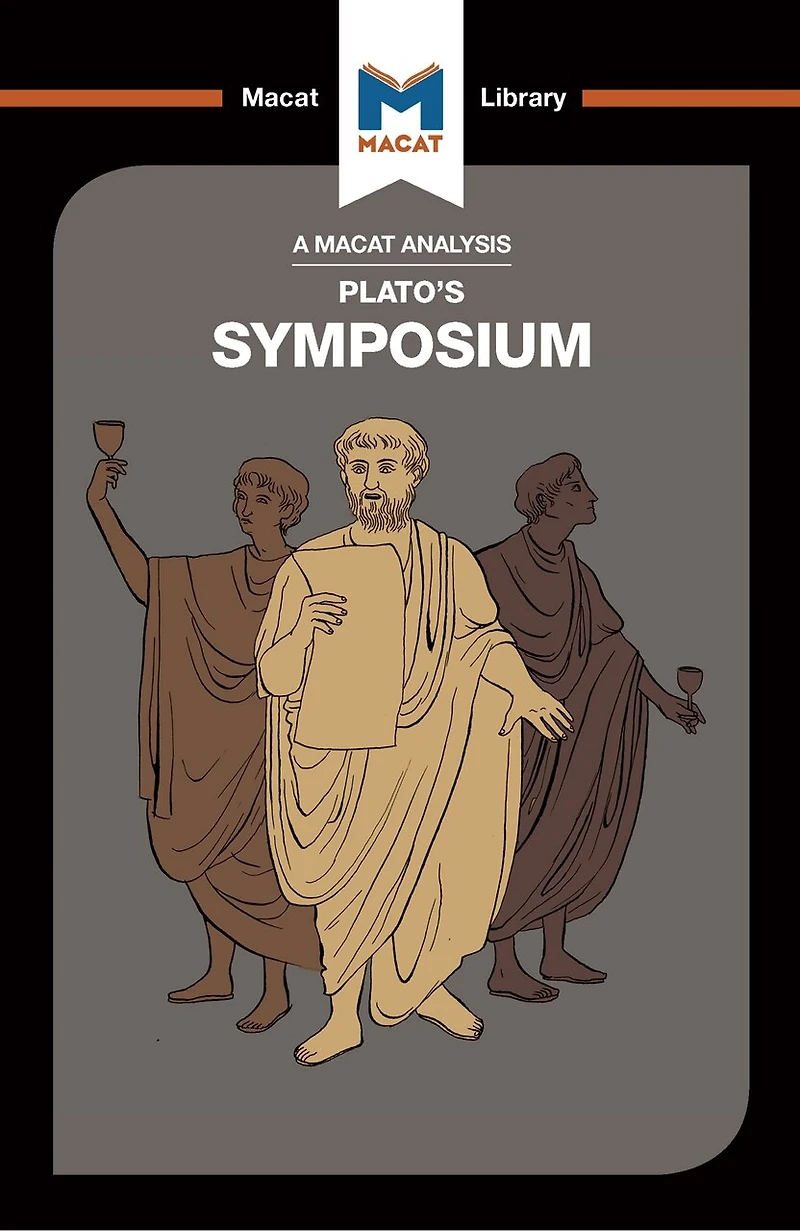
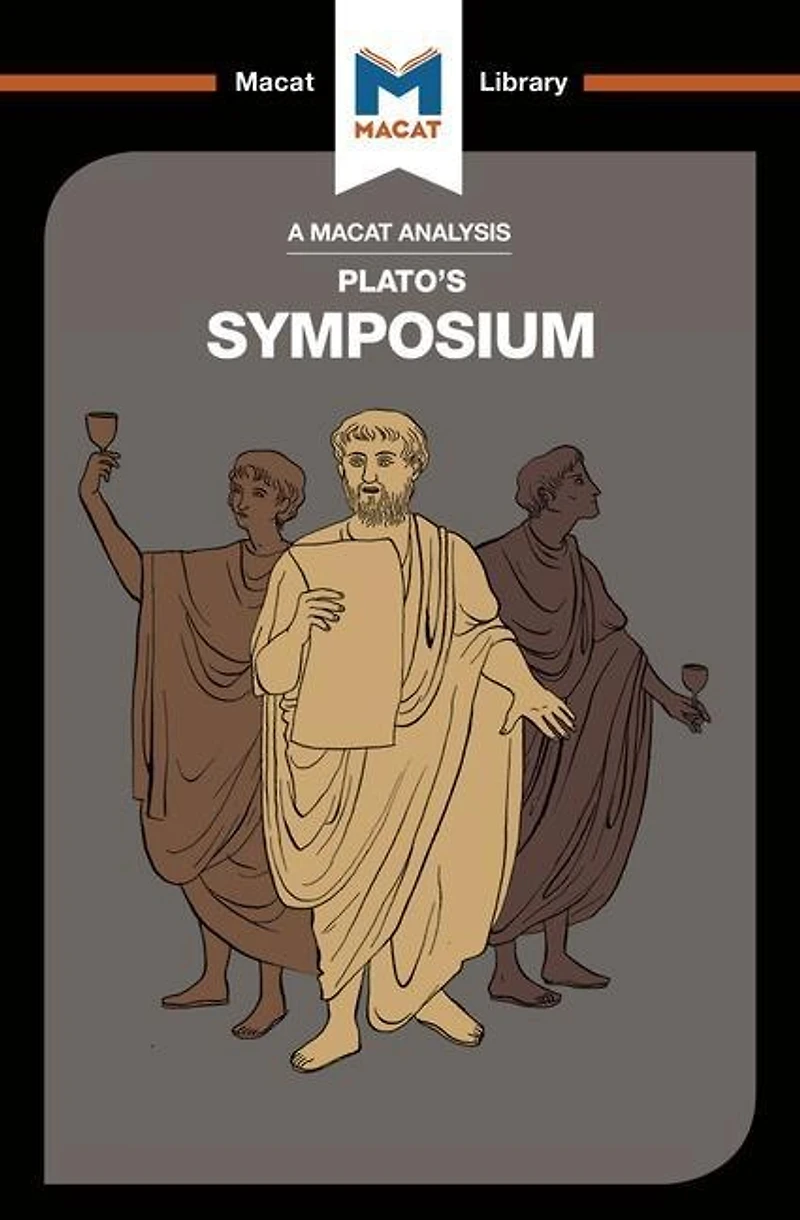
An Analysis of Plato's Symposium in Brampton, ON
Current price: $39.95
Coles
An Analysis of Plato's Symposium in Brampton, ON
Current price: $39.95
Loading Inventory...
Size: Hardcover
*Product information and pricing may vary - to confirm current pricing, availability, shipping, and return information please contact Coles. In the event of a pricing discrepancy, the retailer's price will apply.
Plato's Symposium, composed in the early fourth century BC, demonstrates how powerful the skills of reasoning and evaluation can be. Known to philosophers for its seminal discussion of the relationship of love to knowledge, it is also a classic text for demonstrating the two critical thinking skills that define Plato's whole body of work. Plato's philosophical technique of dialogue is the perfect frame for producing arguments and presenting a persuasive case for a given point of view, and at the same time judging the strength of arguments, their relevance and their acceptability. Staging a fictional debate between characters (wealthy Athenians at a dinner party) who must respond in turn to each others' arguments and points of view means that, at every stage, Plato evaluates the previous argument, assesses its strength and relevance, and then proceeds (through the next character) to reason out a new argument in response. Exerting unparalleled influence on the techniques of philosophical thought, Plato's use of dialogue is a supreme example of these two crucial critical thinking skills.
Plato's Symposium, composed in the early fourth century BC, demonstrates how powerful the skills of reasoning and evaluation can be. Known to philosophers for its seminal discussion of the relationship of love to knowledge, it is also a classic text for demonstrating the two critical thinking skills that define Plato's whole body of work. Plato's philosophical technique of dialogue is the perfect frame for producing arguments and presenting a persuasive case for a given point of view, and at the same time judging the strength of arguments, their relevance and their acceptability. Staging a fictional debate between characters (wealthy Athenians at a dinner party) who must respond in turn to each others' arguments and points of view means that, at every stage, Plato evaluates the previous argument, assesses its strength and relevance, and then proceeds (through the next character) to reason out a new argument in response. Exerting unparalleled influence on the techniques of philosophical thought, Plato's use of dialogue is a supreme example of these two crucial critical thinking skills.
You May Also Like

















Find at Bramalea City Centre in Brampton, ON
Visit at Bramalea City Centre in Brampton, ON