



Gifting Made Simple
Give the Gift of ChoiceClick below to purchase a Bramalea City Centre eGift Card that can be used at participating retailers at Bramalea City Centre.Purchase HereHome
An Analysis of Alfred W. Crosby's The Columbian Exchange: Biological and Cultural Consequences 1492
Coles
Loading Inventory...


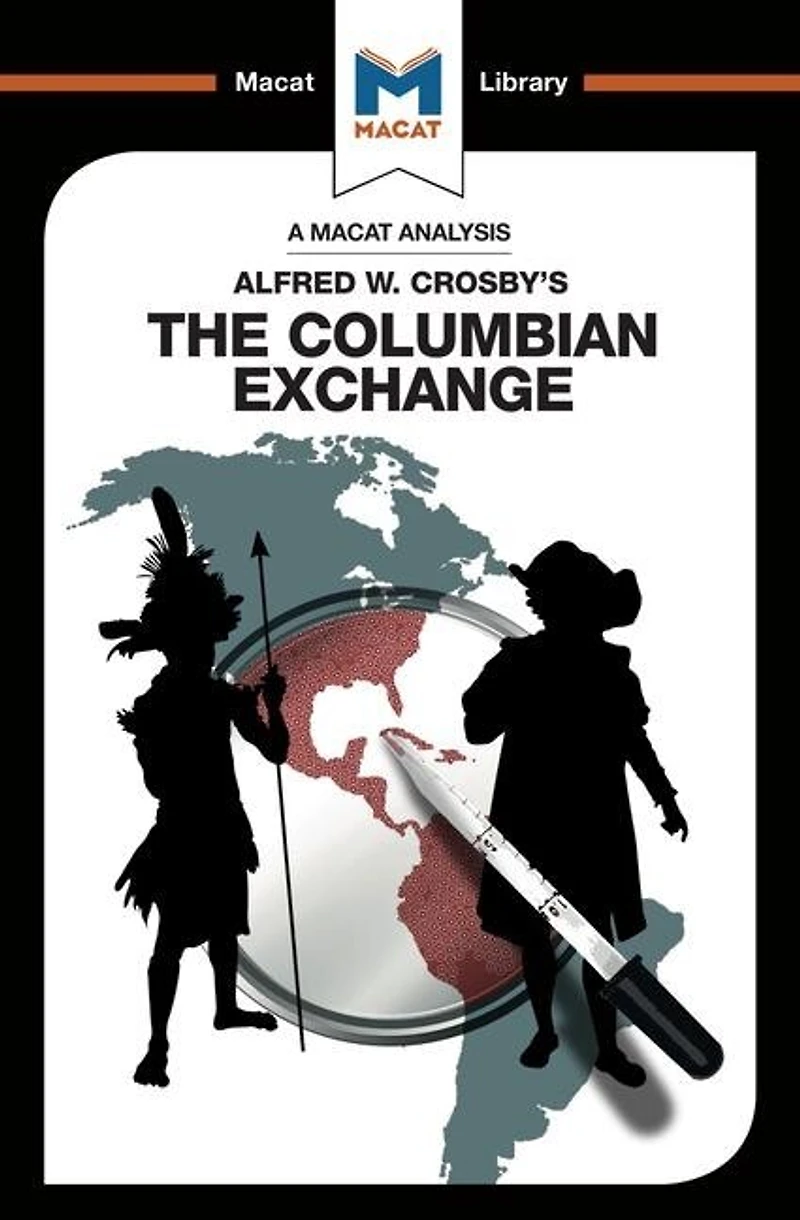
An Analysis of Alfred W. Crosby's The Columbian Exchange: Biological and Cultural Consequences 1492 in Brampton, ON
Current price: $39.95
Coles
An Analysis of Alfred W. Crosby's The Columbian Exchange: Biological and Cultural Consequences 1492 in Brampton, ON
Current price: $39.95
Loading Inventory...
Size: Hardcover
*Product information and pricing may vary - to confirm current pricing, availability, shipping, and return information please contact Coles. In the event of a pricing discrepancy, the retailer's price will apply.
One criticism of history is that historians all too often study it in isolation, failing to take advantage of models and evidence from scholars in other disciplines. This is not a charge that can be laid at the door of Alfred Crosby. His book The Columbian Exchange not only incorporates the results of wide reading in the hard sciences, anthropology and geography, but also stands as one of the foundation stones of the study of environmental history. In this sense, Crosby's defining work is undoubtedly a fine example of the critical thinking skill of creativity; it comes up with new connections that explain the European success in colonizing the New World more as the product of biological catastrophe (in the shape of the introduction of new diseases) than of the actions of men, and posits that the most important consequences were not political - the establishment of new empires - but cultural and culinary; the population of China tripled, for example, as the result of the introduction of new world crops. Few new hypotheses have proved as stimulating or influential.
One criticism of history is that historians all too often study it in isolation, failing to take advantage of models and evidence from scholars in other disciplines. This is not a charge that can be laid at the door of Alfred Crosby. His book The Columbian Exchange not only incorporates the results of wide reading in the hard sciences, anthropology and geography, but also stands as one of the foundation stones of the study of environmental history. In this sense, Crosby's defining work is undoubtedly a fine example of the critical thinking skill of creativity; it comes up with new connections that explain the European success in colonizing the New World more as the product of biological catastrophe (in the shape of the introduction of new diseases) than of the actions of men, and posits that the most important consequences were not political - the establishment of new empires - but cultural and culinary; the population of China tripled, for example, as the result of the introduction of new world crops. Few new hypotheses have proved as stimulating or influential.
You May Also Like



















Find at Bramalea City Centre in Brampton, ON
Visit at Bramalea City Centre in Brampton, ON