



Gifting Made Simple
Give the Gift of ChoiceClick below to purchase a Bramalea City Centre eGift Card that can be used at participating retailers at Bramalea City Centre.Purchase HereHome
An African Feminist Philosophy of Language
Coles
Loading Inventory...
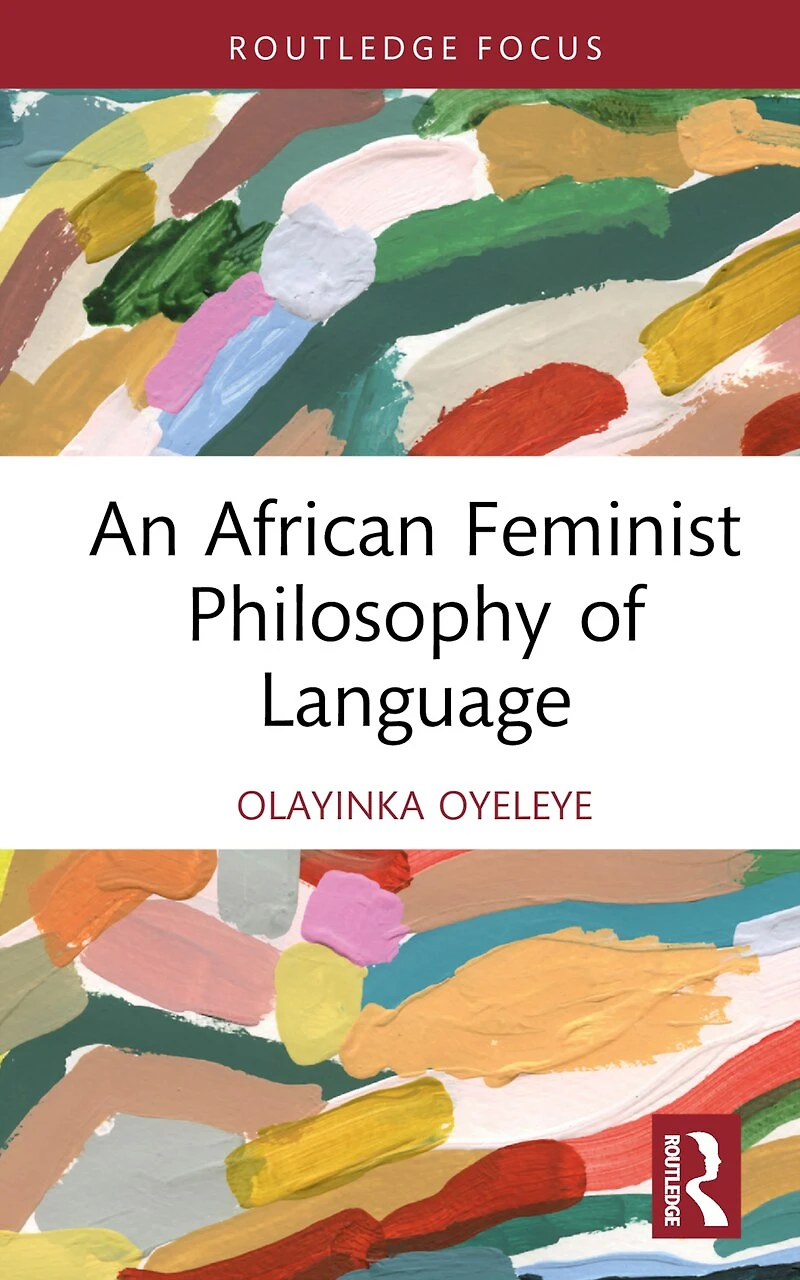
An African Feminist Philosophy of Language in Brampton, ON
Current price: $109.95
Coles
An African Feminist Philosophy of Language in Brampton, ON
Current price: $109.95
Loading Inventory...
Size: Hardcover
*Product information and pricing may vary - to confirm current pricing, availability, shipping, and return information please contact Coles. In the event of a pricing discrepancy, the retailer's price will apply.
This book calls for the institution of an African feminist philosophy of language, challenging existing debates and encouraging a move away from the Western gaze. The book begins with an analysis of the philosophical context of African feminism, and a call for the decolonization of epistemological discourse. Oyeleye then goes on to consider how indigenous patriarchies play out in the cultural reality of the Yorùbá in particular, ontologically unpacking the nature of woman as expressed in language, especially in myths and proverbs. Challenging the derogatory language found in proverbs which entrench patriarchal oppression, the author advocates for feminist postproverbials: new proverbs which draw on old traditions but reconstruct the space of woman in a new, egalitarian rhetorical tradition. The author concludes by outlining the conditions necessary for African feminist philosophers to consider language as a decolonizing space which can help to push through the agenda of social change. This book will be an important resource for researchers from across the fields of gender and women studies, feminist philosophy, philosophy of language, cultural studies, and African studies.
This book calls for the institution of an African feminist philosophy of language, challenging existing debates and encouraging a move away from the Western gaze. The book begins with an analysis of the philosophical context of African feminism, and a call for the decolonization of epistemological discourse. Oyeleye then goes on to consider how indigenous patriarchies play out in the cultural reality of the Yorùbá in particular, ontologically unpacking the nature of woman as expressed in language, especially in myths and proverbs. Challenging the derogatory language found in proverbs which entrench patriarchal oppression, the author advocates for feminist postproverbials: new proverbs which draw on old traditions but reconstruct the space of woman in a new, egalitarian rhetorical tradition. The author concludes by outlining the conditions necessary for African feminist philosophers to consider language as a decolonizing space which can help to push through the agenda of social change. This book will be an important resource for researchers from across the fields of gender and women studies, feminist philosophy, philosophy of language, cultural studies, and African studies.
You May Also Like








Find at Bramalea City Centre in Brampton, ON
Visit at Bramalea City Centre in Brampton, ON