



Gifting Made Simple
Give the Gift of ChoiceClick below to purchase a Bramalea City Centre eGift Card that can be used at participating retailers at Bramalea City Centre.Purchase HereHome
Aminoglycoside Antibiotic Resistance Through Ribosomal RNA Methylation
Coles
Loading Inventory...
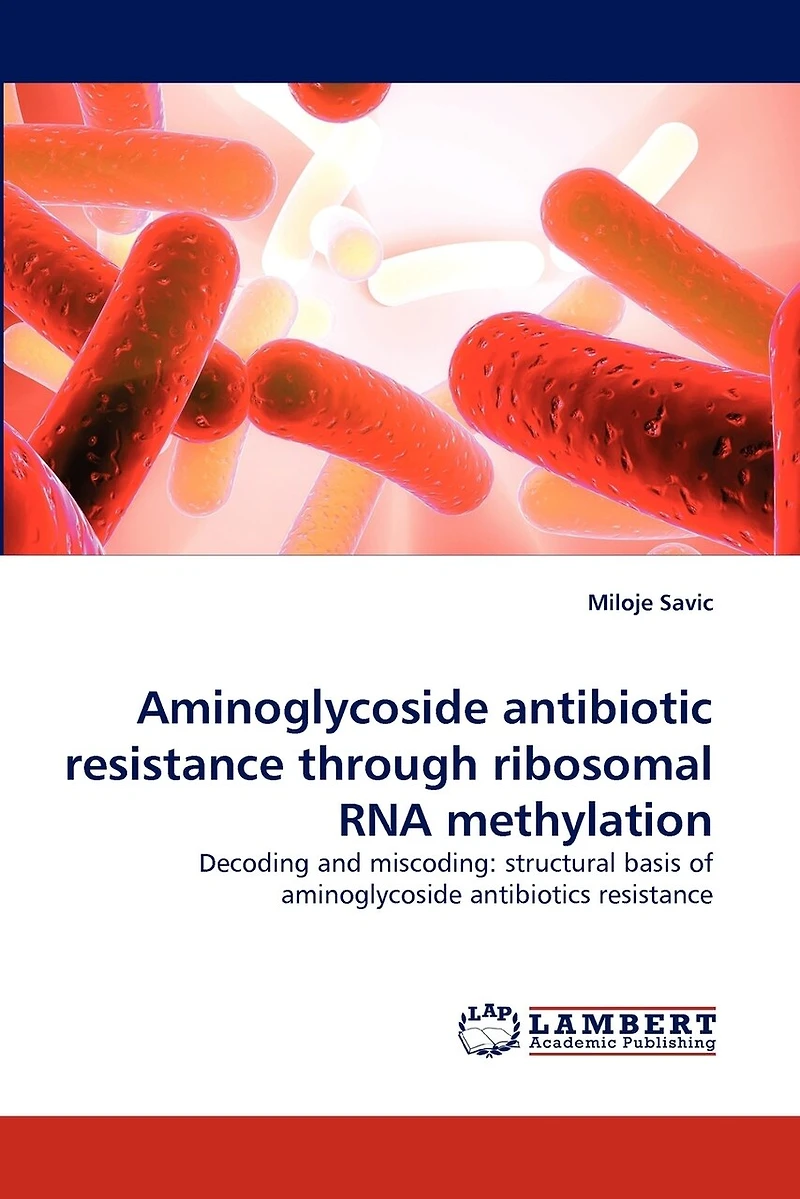
Aminoglycoside Antibiotic Resistance Through Ribosomal RNA Methylation in Brampton, ON
Current price: $90.00
Coles
Aminoglycoside Antibiotic Resistance Through Ribosomal RNA Methylation in Brampton, ON
Current price: $90.00
Loading Inventory...
Size: Paperback
*Product information and pricing may vary - to confirm current pricing, availability, shipping, and return information please contact Coles. In the event of a pricing discrepancy, the retailer's price will apply.
In antibiotic producing bacteria two 16S rRNA methyltransferase families (MT) provide resistance against self-intoxication: Kam MT (m1A1408) and Kgm MT (m7G1405). Both these MT have their homologues in pathogenic bacteria, Arm and Pam MT families, respectively. These MT act at nucleotides in antibiotic binding site and methyl group addition sterically blocks antibiotic binding. Studies on Sgm from M. zionensis provided some initial insights on Kgm MT using sequence conservation and homology modelling. Recent structures showed that resistance MT, irrespective of their origin, have the same protein fold. However, corresponding protein sequences do not reflect conservation of the structure indicating that particular protein fold can be achieved with sequences sharing as little as 30% identity. In the same time conservation of the protein structure indicates that structural constraints are important for efficient target nucleotide selection on the 16S rRNA. Future key issue will be to determine the molecular mechanism of target site selection and whether specific features of recognition can be exploited to combat the rise of resistance to clinically useful aminoglycoside antibiotics.
In antibiotic producing bacteria two 16S rRNA methyltransferase families (MT) provide resistance against self-intoxication: Kam MT (m1A1408) and Kgm MT (m7G1405). Both these MT have their homologues in pathogenic bacteria, Arm and Pam MT families, respectively. These MT act at nucleotides in antibiotic binding site and methyl group addition sterically blocks antibiotic binding. Studies on Sgm from M. zionensis provided some initial insights on Kgm MT using sequence conservation and homology modelling. Recent structures showed that resistance MT, irrespective of their origin, have the same protein fold. However, corresponding protein sequences do not reflect conservation of the structure indicating that particular protein fold can be achieved with sequences sharing as little as 30% identity. In the same time conservation of the protein structure indicates that structural constraints are important for efficient target nucleotide selection on the 16S rRNA. Future key issue will be to determine the molecular mechanism of target site selection and whether specific features of recognition can be exploited to combat the rise of resistance to clinically useful aminoglycoside antibiotics.
You May Also Like










Find at Bramalea City Centre in Brampton, ON
Visit at Bramalea City Centre in Brampton, ON