



Gifting Made Simple
Give the Gift of ChoiceClick below to purchase a Bramalea City Centre eGift Card that can be used at participating retailers at Bramalea City Centre.Purchase HereHome
American Heretic: Theodore Parker And Transcendentalism
Coles
Loading Inventory...
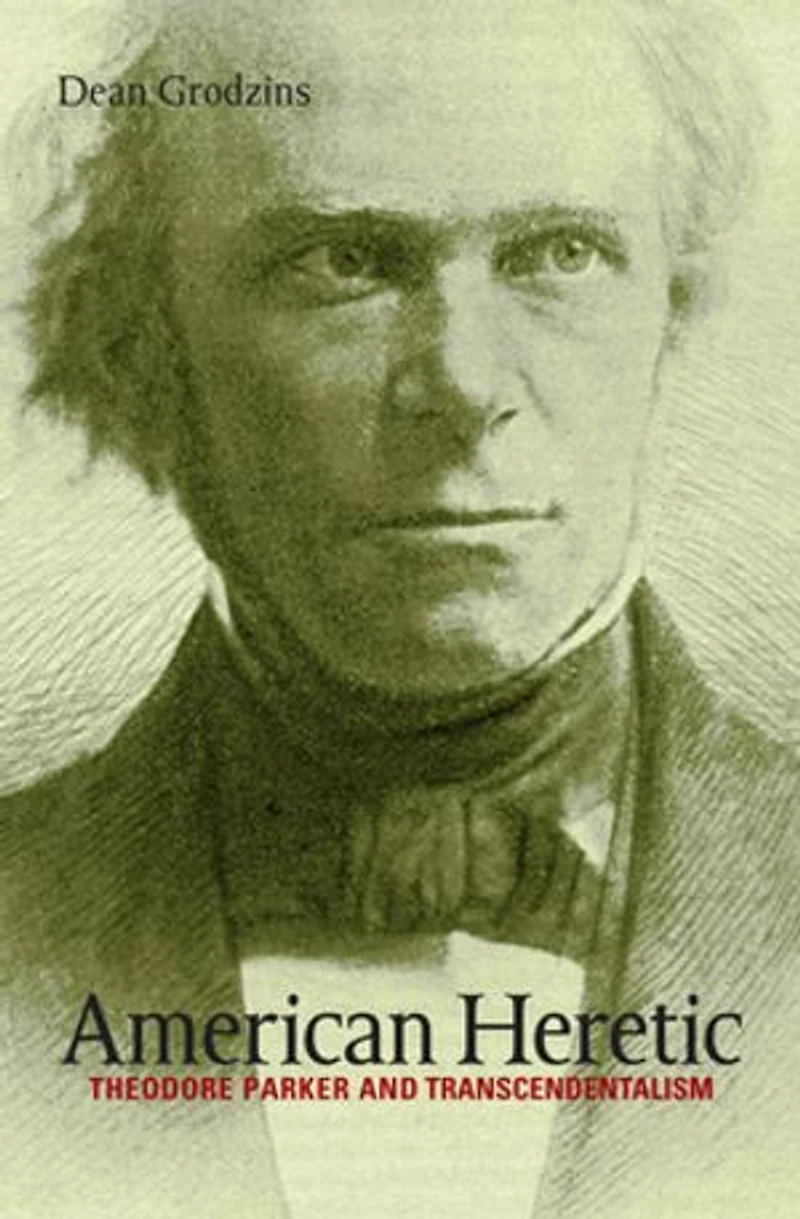
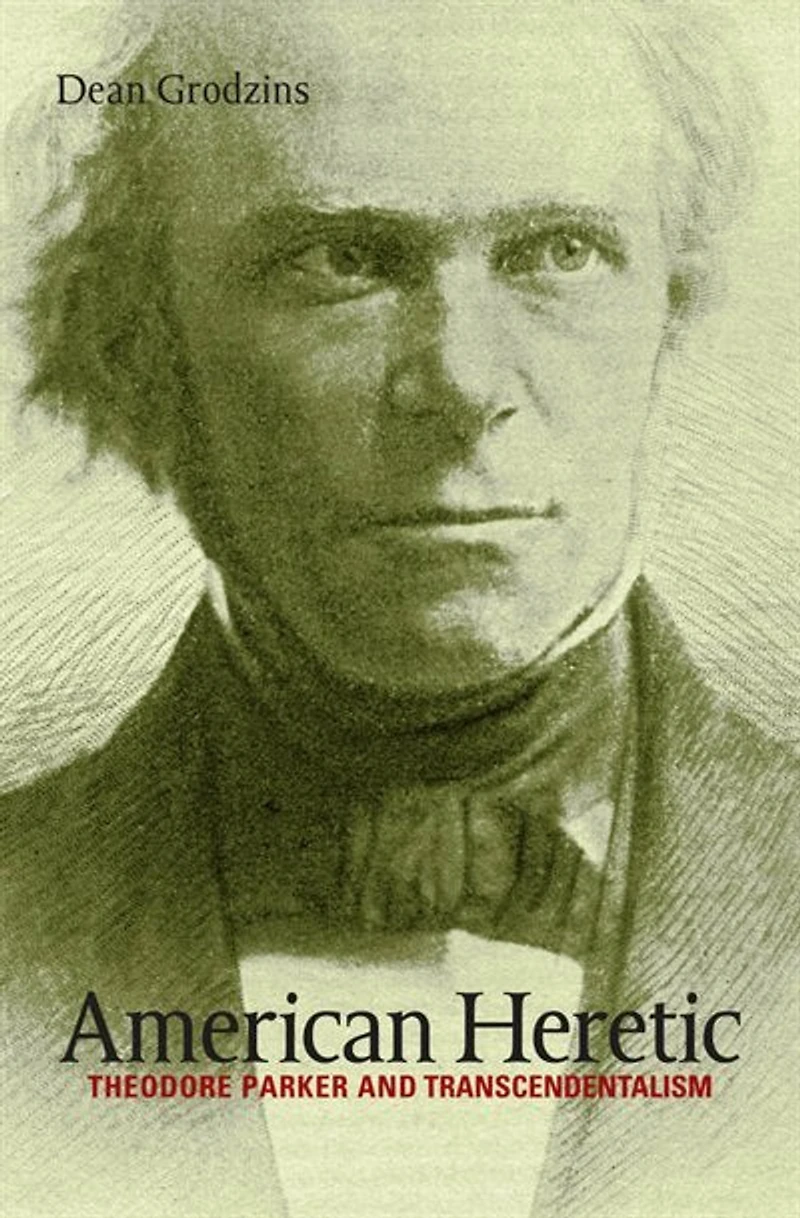
American Heretic: Theodore Parker And Transcendentalism in Brampton, ON
Current price: $31.19
Original price: $38.99
Coles
American Heretic: Theodore Parker And Transcendentalism in Brampton, ON
Current price: $31.19
Original price: $38.99
Loading Inventory...
Size: Kobo eBook
*Product information and pricing may vary - to confirm current pricing, availability, shipping, and return information please contact Coles. In the event of a pricing discrepancy, the retailer's price will apply.
Theodore Parker (1810–1860) was a powerful preacher who rejected the authority of the Bible and of Jesus, a brilliant scholar who became a popular agitator for the abolition of slavery and for women’s rights, and a political theorist who defined democracy as “government of all the people, by all the people, for all the people” — words that inspired Abraham Lincoln. Parker had more influence than anyone except Ralph Waldo Emerson in shaping Transcendentalism in America.
In American Heretic , Dean Grodzins offers a compelling account of the remarkable first phase of Parker’s career, when this complex man — charismatic yet awkward, brave yet insecure — rose from poverty and obscurity to fame and notoriety as a Transcendentalist prophet. Grodzins reveals hitherto hidden facets of Parker’s life, including his love for a woman who was not his wife, and presents fresh perspectives on Transcendentalism. Grodzins explores Transcendentalism’s religious roots, shows the profound religious and political issues at stake in the “Transcendentalist controversy,” and offers new insights into Parker’s Transcendentalist colleagues, including Emerson, Margaret Fuller, and Bronson Alcott. He traces, too, the intellectual origins of Parker’s epochal definition of democracy as government of, by, and for the people.
The manuscript of this book was awarded the Allan Nevins Prize by the Society of American Historians.
Theodore Parker (1810–1860) was a powerful preacher who rejected the authority of the Bible and of Jesus, a brilliant scholar who became a popular agitator for the abolition of slavery and for women’s rights, and a political theorist who defined democracy as “government of all the people, by all the people, for all the people” — words that inspired Abraham Lincoln. Parker had more influence than anyone except Ralph Waldo Emerson in shaping Transcendentalism in America.
In American Heretic , Dean Grodzins offers a compelling account of the remarkable first phase of Parker’s career, when this complex man — charismatic yet awkward, brave yet insecure — rose from poverty and obscurity to fame and notoriety as a Transcendentalist prophet. Grodzins reveals hitherto hidden facets of Parker’s life, including his love for a woman who was not his wife, and presents fresh perspectives on Transcendentalism. Grodzins explores Transcendentalism’s religious roots, shows the profound religious and political issues at stake in the “Transcendentalist controversy,” and offers new insights into Parker’s Transcendentalist colleagues, including Emerson, Margaret Fuller, and Bronson Alcott. He traces, too, the intellectual origins of Parker’s epochal definition of democracy as government of, by, and for the people.
The manuscript of this book was awarded the Allan Nevins Prize by the Society of American Historians.
You May Also Like









Find at Bramalea City Centre in Brampton, ON
Visit at Bramalea City Centre in Brampton, ON