



Gifting Made Simple
Give the Gift of ChoiceClick below to purchase a Bramalea City Centre eGift Card that can be used at participating retailers at Bramalea City Centre.Purchase HereHome
Alligators in the Arctic and How to Avoid Them: Science, Economics and the Challenge of Catastrophic Climate Change
Coles
Loading Inventory...
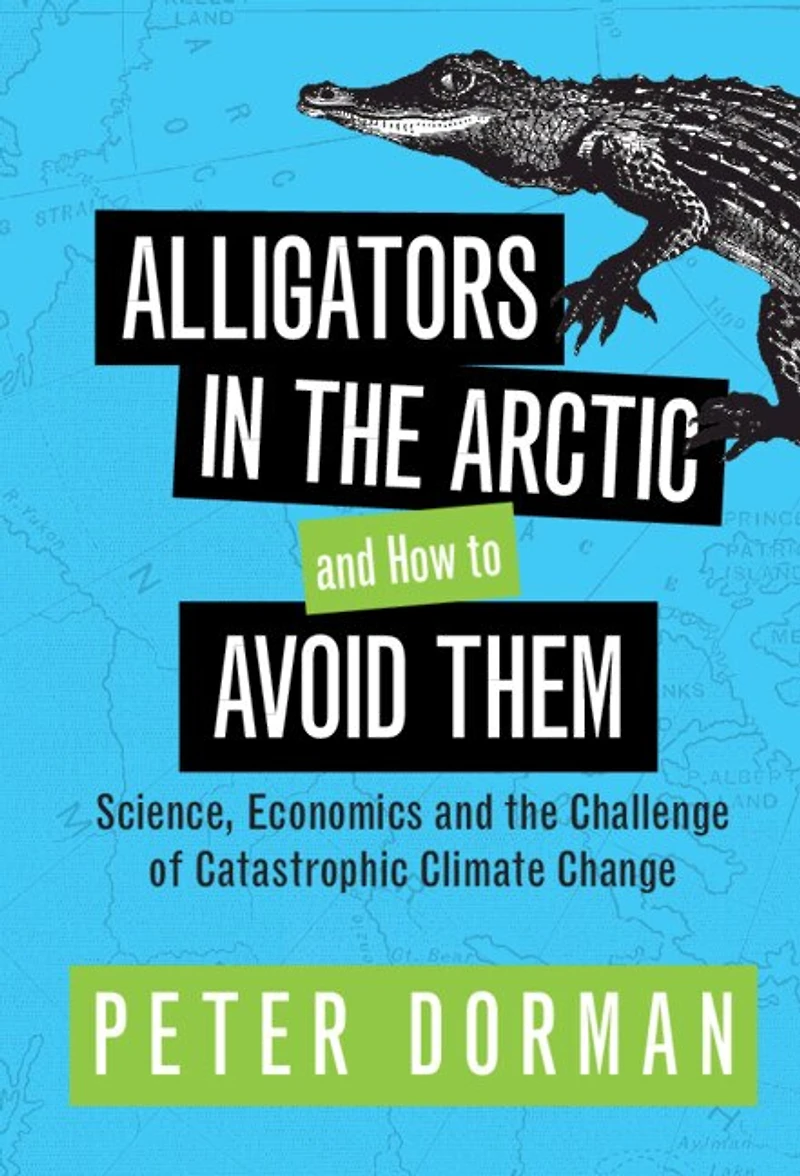
Alligators in the Arctic and How to Avoid Them: Science, Economics and the Challenge of Catastrophic Climate Change in Brampton, ON
Current price: $50.95
Coles
Alligators in the Arctic and How to Avoid Them: Science, Economics and the Challenge of Catastrophic Climate Change in Brampton, ON
Current price: $50.95
Loading Inventory...
Size: Hardcover
*Product information and pricing may vary - to confirm current pricing, availability, shipping, and return information please contact Coles. In the event of a pricing discrepancy, the retailer's price will apply.
Climate change is a matter of extreme urgency. Integrating science and economics, this book demonstrates the need for measures to put a strict lid on cumulative carbon emissions and shows how to implement them. Using the carbon budget framework, it reveals the shortcomings of current policies and the debates around them, such as the popular enthusiasm for individual solutions and the fruitless search for 'optimal' regulation by economists and other specialists. On the political front, it explains why business opposition to the policies we need goes well beyond the fossil fuel industry, requiring a more radical rebalancing of power. This wide-ranging study goes against the most prevalent approaches in mainstream economics, which argue that we can tackle climate change while causing minimal disruption to the global economy. The author argues that this view is not only impossible, but also dangerously complacent.
Climate change is a matter of extreme urgency. Integrating science and economics, this book demonstrates the need for measures to put a strict lid on cumulative carbon emissions and shows how to implement them. Using the carbon budget framework, it reveals the shortcomings of current policies and the debates around them, such as the popular enthusiasm for individual solutions and the fruitless search for 'optimal' regulation by economists and other specialists. On the political front, it explains why business opposition to the policies we need goes well beyond the fossil fuel industry, requiring a more radical rebalancing of power. This wide-ranging study goes against the most prevalent approaches in mainstream economics, which argue that we can tackle climate change while causing minimal disruption to the global economy. The author argues that this view is not only impossible, but also dangerously complacent.
You May Also Like









Find at Bramalea City Centre in Brampton, ON
Visit at Bramalea City Centre in Brampton, ON