



Gifting Made Simple
Give the Gift of ChoiceClick below to purchase a Bramalea City Centre eGift Card that can be used at participating retailers at Bramalea City Centre.Purchase HereHome
All Roads Led to Gettysburg: A New Look at the Civil War's Pivotal Campaign
Coles
Loading Inventory...
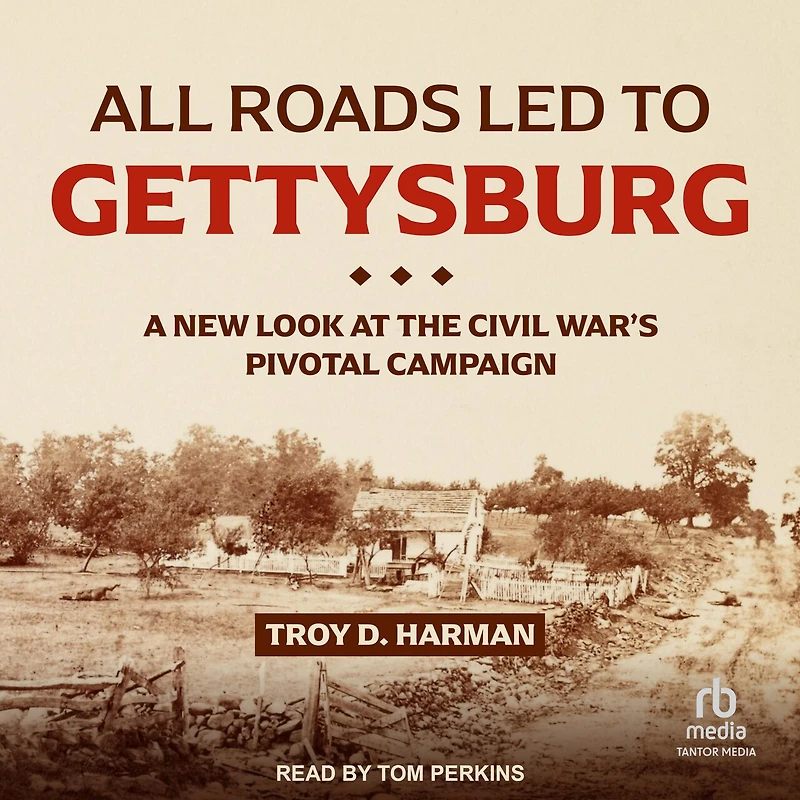
All Roads Led to Gettysburg: A New Look at the Civil War's Pivotal Campaign in Brampton, ON
Current price: $59.95
Coles
All Roads Led to Gettysburg: A New Look at the Civil War's Pivotal Campaign in Brampton, ON
Current price: $59.95
Loading Inventory...
Size: Audiobook (2023 A)
*Product information and pricing may vary - to confirm current pricing, availability, shipping, and return information please contact Coles. In the event of a pricing discrepancy, the retailer's price will apply.
It has long been a trope of Civil War history that Gettysburg was an accidental battlefield. Troy D. Harman argues for a new interpretation: once Lee invaded Pennsylvania and the Union army pursued, a battle at Gettysburg was entirely predictable, perhaps inevitable. Most Civil War battles took place along major roads, railroads, and waterways. And yet this perspective hasn't been fully explored when it comes to Gettysburg. Moreover, once the battle started, Harman argues, the blue and gray fought tactically for the two creeks that mark the battlefield in the east and the west as well as for the roadways that led to Gettysburg from all points of the compass. This is a perspective often overlooked in many accounts of the battle, which focus on the high ground—the Round Tops, Cemetery Hill—as key tactical objectives. Gettysburg Ranger and historian Troy Harman draws on a lifetime of researching the Civil War and more than thirty years of studying the terrain of Gettysburg and south-central Pennsylvania and northern Maryland to reframe the story of the Battle of Gettysburg. In the process he shows there's still much to say about one of history's most written-about battles.
It has long been a trope of Civil War history that Gettysburg was an accidental battlefield. Troy D. Harman argues for a new interpretation: once Lee invaded Pennsylvania and the Union army pursued, a battle at Gettysburg was entirely predictable, perhaps inevitable. Most Civil War battles took place along major roads, railroads, and waterways. And yet this perspective hasn't been fully explored when it comes to Gettysburg. Moreover, once the battle started, Harman argues, the blue and gray fought tactically for the two creeks that mark the battlefield in the east and the west as well as for the roadways that led to Gettysburg from all points of the compass. This is a perspective often overlooked in many accounts of the battle, which focus on the high ground—the Round Tops, Cemetery Hill—as key tactical objectives. Gettysburg Ranger and historian Troy Harman draws on a lifetime of researching the Civil War and more than thirty years of studying the terrain of Gettysburg and south-central Pennsylvania and northern Maryland to reframe the story of the Battle of Gettysburg. In the process he shows there's still much to say about one of history's most written-about battles.
You May Also Like
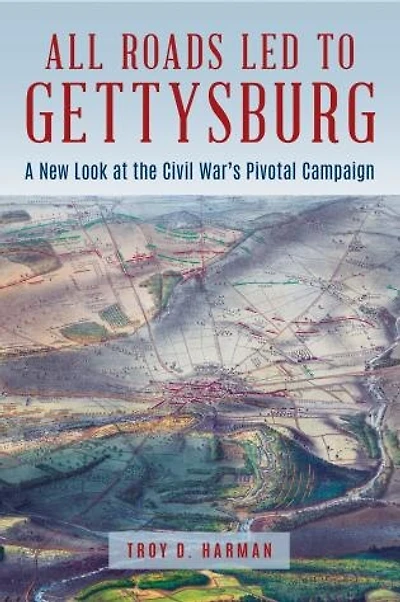











Find at Bramalea City Centre in Brampton, ON
Visit at Bramalea City Centre in Brampton, ON