



Gifting Made Simple
Give the Gift of ChoiceClick below to purchase a Bramalea City Centre eGift Card that can be used at participating retailers at Bramalea City Centre.Purchase HereHome
All Citizens of Christ: A Cosmopolitan Reading of Unity and Diversity in Paul’s Letters
Coles
Loading Inventory...
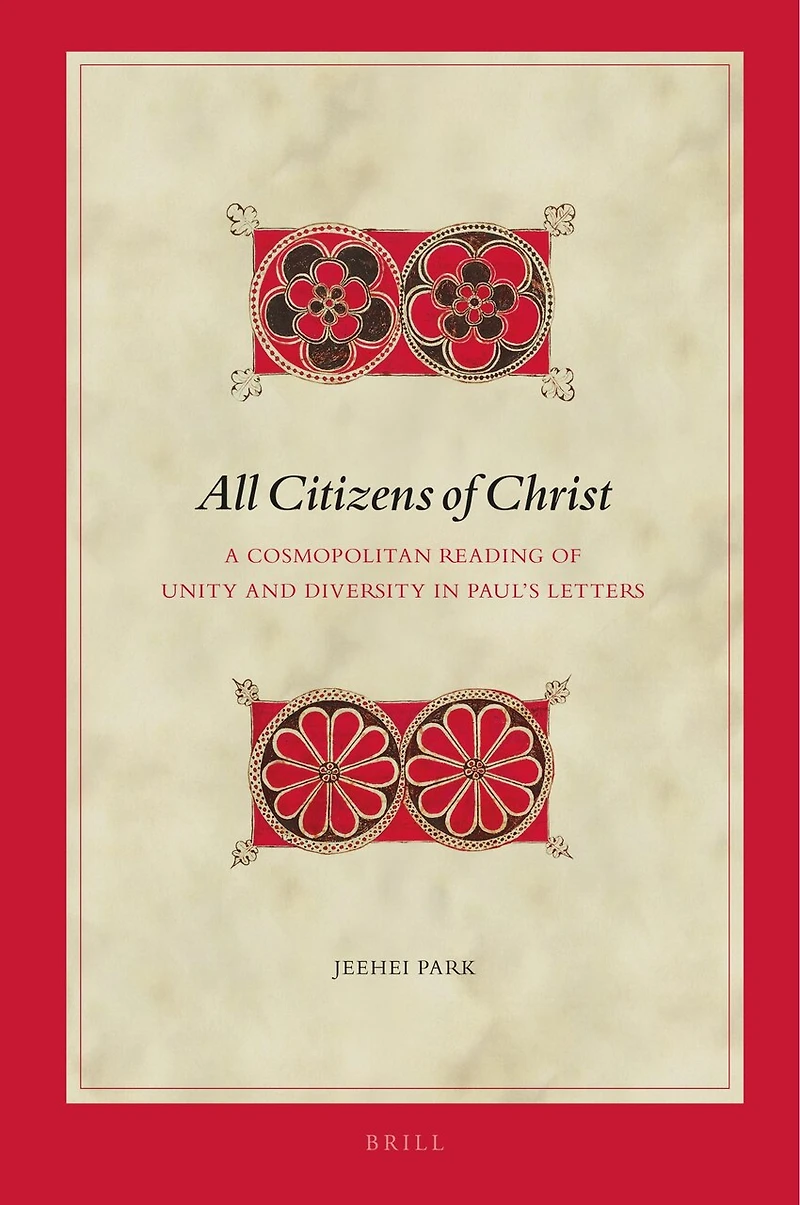
All Citizens of Christ: A Cosmopolitan Reading of Unity and Diversity in Paul’s Letters in Brampton, ON
Current price: $171.99
Coles
All Citizens of Christ: A Cosmopolitan Reading of Unity and Diversity in Paul’s Letters in Brampton, ON
Current price: $171.99
Loading Inventory...
Size: Hardcover
*Product information and pricing may vary - to confirm current pricing, availability, shipping, and return information please contact Coles. In the event of a pricing discrepancy, the retailer's price will apply.
In this work, Jeehei Park proposes Greek and Roman cosmopolitanism as a constructive category through which to navigate a reading of human diversity and communal unity in Paul’s letters. Park takes a thorough look at the cosmopolitan ideas of Diogenes of Sinope, Philo, Plutarch, Epictetus, and Marcus Aurelius to establish Paul as an interlocutor who critically participated in the discourse of cosmopolitanism. Park characterizes Paul’s understanding of unity with the distinctive phrase “heterogeneous unity,” in which human differences are respected and embraced rather than being universalized or homogenized. This book offers a novel analysis of Paul’s rhetoric about citizenship in Philippians and its adoption of Greek and Roman cosmopolitanism as an interpretive contour.
In this work, Jeehei Park proposes Greek and Roman cosmopolitanism as a constructive category through which to navigate a reading of human diversity and communal unity in Paul’s letters. Park takes a thorough look at the cosmopolitan ideas of Diogenes of Sinope, Philo, Plutarch, Epictetus, and Marcus Aurelius to establish Paul as an interlocutor who critically participated in the discourse of cosmopolitanism. Park characterizes Paul’s understanding of unity with the distinctive phrase “heterogeneous unity,” in which human differences are respected and embraced rather than being universalized or homogenized. This book offers a novel analysis of Paul’s rhetoric about citizenship in Philippians and its adoption of Greek and Roman cosmopolitanism as an interpretive contour.
You May Also Like

















Find at Bramalea City Centre in Brampton, ON
Visit at Bramalea City Centre in Brampton, ON