



Gifting Made Simple
Give the Gift of ChoiceClick below to purchase a Bramalea City Centre eGift Card that can be used at participating retailers at Bramalea City Centre.Purchase HereHome
Alexander Serov And The Birth Of Russian Modern: (new Revised 2nd Edition)
Coles
Loading Inventory...
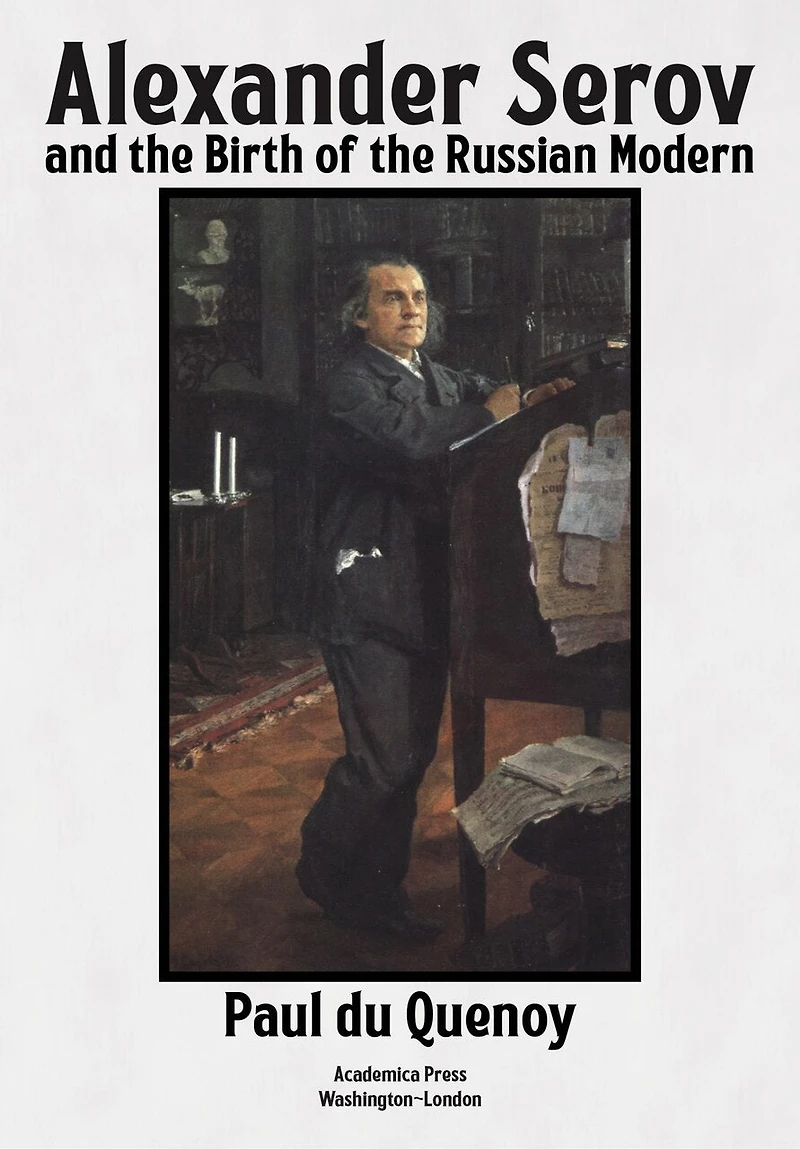
Alexander Serov And The Birth Of Russian Modern: (new Revised 2nd Edition) in Brampton, ON
Current price: $103.99
Coles
Alexander Serov And The Birth Of Russian Modern: (new Revised 2nd Edition) in Brampton, ON
Current price: $103.99
Loading Inventory...
Size: Hardcover
*Product information and pricing may vary - to confirm current pricing, availability, shipping, and return information please contact Coles. In the event of a pricing discrepancy, the retailer's price will apply.
When did Russia become “modern?” Historians of Russia – including even many Russian historians – have long tried to identify Russia’s “modern” moment. While most scholars have looked to economic or ideological transitions, noted historian and critic Paul du Quenoy approaches the problem through culture, and specifically the performing arts, as told through the prism of one of its leading nineteenth-century practitioners, the composer and critic Alexander Serov. Born in 1820, Serov grew to adulthood under the reign of Tsar Nicholas I (1825-1855). Long disparaged as a dark and reactionary period of Russia’s past, it instead offered many educational, cultural, and professional opportunities that conventional histories have failed to appreciate. Educated in law and tutored in music, Serov rose to become Russia’s first significant music critic and a noted composer whose three operas won him fame and gestured toward the creation of a national style. Although his renown was fleeting after his untimely death in 1871, his life and observations provide a vital eyewitness account to a Russia poised to embrace a fresh and fully modern identity. In a volume prepared to mark the 150th anniversary of Serov’s death, du Quenoy’s pastiche of Russian life offers one of the best approaches to Russia’s imperial past and its legacies today.
When did Russia become “modern?” Historians of Russia – including even many Russian historians – have long tried to identify Russia’s “modern” moment. While most scholars have looked to economic or ideological transitions, noted historian and critic Paul du Quenoy approaches the problem through culture, and specifically the performing arts, as told through the prism of one of its leading nineteenth-century practitioners, the composer and critic Alexander Serov. Born in 1820, Serov grew to adulthood under the reign of Tsar Nicholas I (1825-1855). Long disparaged as a dark and reactionary period of Russia’s past, it instead offered many educational, cultural, and professional opportunities that conventional histories have failed to appreciate. Educated in law and tutored in music, Serov rose to become Russia’s first significant music critic and a noted composer whose three operas won him fame and gestured toward the creation of a national style. Although his renown was fleeting after his untimely death in 1871, his life and observations provide a vital eyewitness account to a Russia poised to embrace a fresh and fully modern identity. In a volume prepared to mark the 150th anniversary of Serov’s death, du Quenoy’s pastiche of Russian life offers one of the best approaches to Russia’s imperial past and its legacies today.
You May Also Like










Find at Bramalea City Centre in Brampton, ON
Visit at Bramalea City Centre in Brampton, ON