



Gifting Made Simple
Give the Gift of ChoiceClick below to purchase a Bramalea City Centre eGift Card that can be used at participating retailers at Bramalea City Centre.Purchase HereHome
Alexander Histories and Iranian Reflections: Remnants of Propaganda and Resistance
Coles
Loading Inventory...
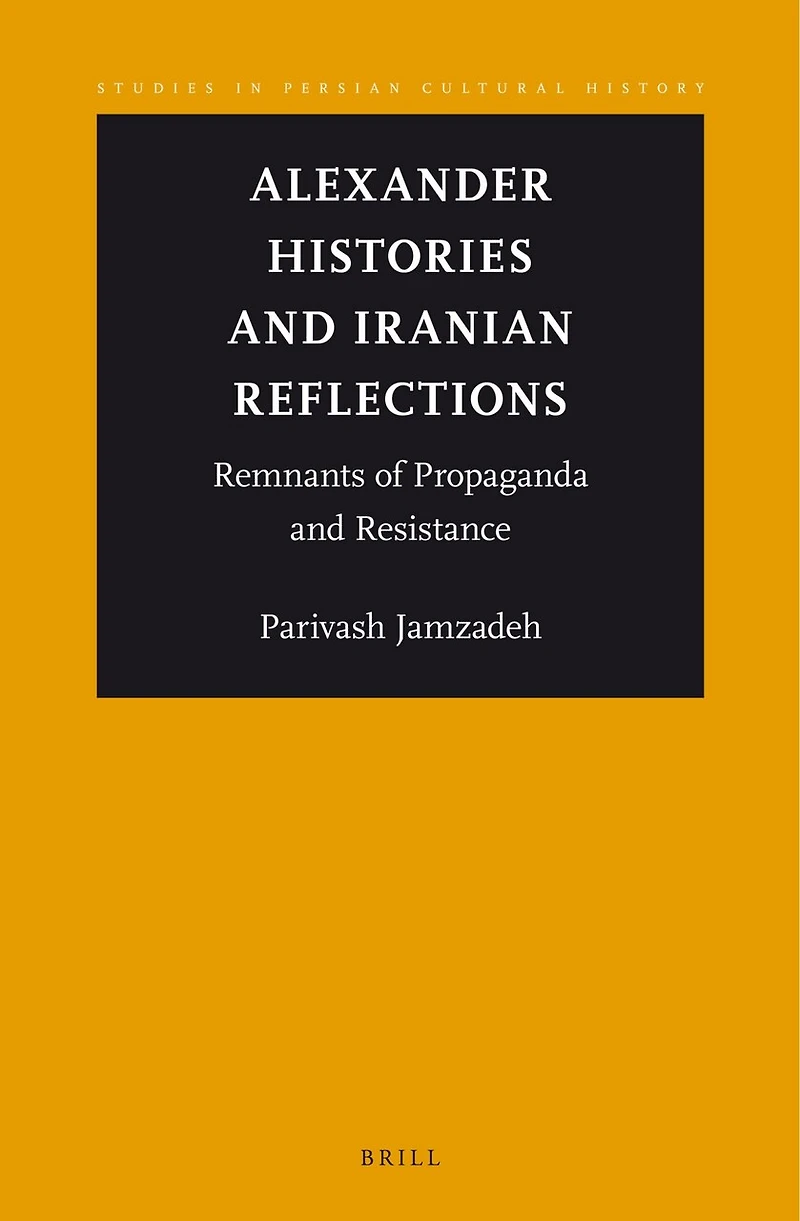
Alexander Histories and Iranian Reflections: Remnants of Propaganda and Resistance in Brampton, ON
Current price: $216.99
Coles
Alexander Histories and Iranian Reflections: Remnants of Propaganda and Resistance in Brampton, ON
Current price: $216.99
Loading Inventory...
Size: Hardcover
*Product information and pricing may vary - to confirm current pricing, availability, shipping, and return information please contact Coles. In the event of a pricing discrepancy, the retailer's price will apply.
Alexander the Great’s military campaign to conquer the Achaemenid empire included a propaganda campaign to convince the Iranians his kingship was compatible with their religious and cultural norms. This campaign proved so successful that the overt display of Alexander’s Iranian and Zoroastrian preferences alienated some of his Greek and Macedonian allies. Parivash Jamzadeh shows how this original propaganda material displayed multiple layers of Iranian influences. Additionally she demonstrates that the studied sources do not always offer an accurate account of the contemporary Iranian customs, and occasionally included historical inaccuracies.
One of the most interesting finds in this study is the confusion of historical sources that arose between the opponents Darius III and Alexander. Jamzadeh argues that the Iranian propaganda regarding Alexander the Great has contributed to this confusion.
Alexander the Great’s military campaign to conquer the Achaemenid empire included a propaganda campaign to convince the Iranians his kingship was compatible with their religious and cultural norms. This campaign proved so successful that the overt display of Alexander’s Iranian and Zoroastrian preferences alienated some of his Greek and Macedonian allies. Parivash Jamzadeh shows how this original propaganda material displayed multiple layers of Iranian influences. Additionally she demonstrates that the studied sources do not always offer an accurate account of the contemporary Iranian customs, and occasionally included historical inaccuracies.
One of the most interesting finds in this study is the confusion of historical sources that arose between the opponents Darius III and Alexander. Jamzadeh argues that the Iranian propaganda regarding Alexander the Great has contributed to this confusion.
You May Also Like











Find at Bramalea City Centre in Brampton, ON
Visit at Bramalea City Centre in Brampton, ON