



Gifting Made Simple
Give the Gift of ChoiceClick below to purchase a Bramalea City Centre eGift Card that can be used at participating retailers at Bramalea City Centre.Purchase HereHome
Albert Einstein from Pacifism to the Idea of World Government
Coles
Loading Inventory...
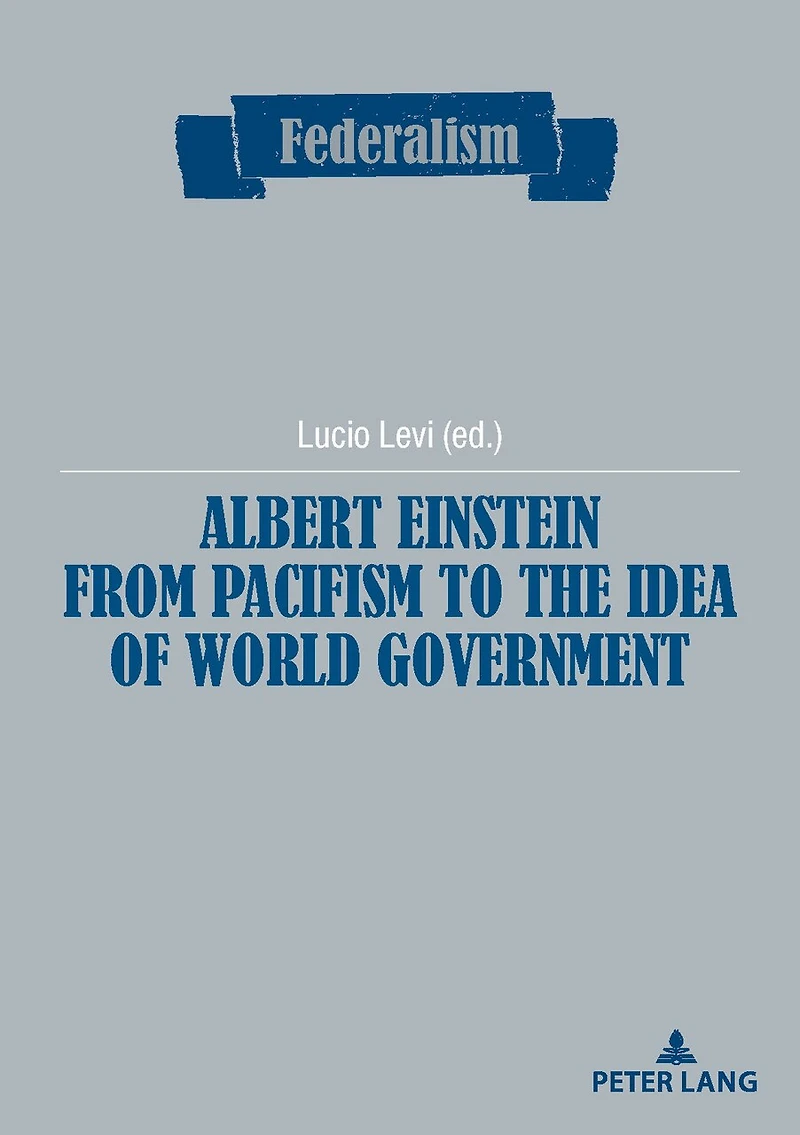

Albert Einstein from Pacifism to the Idea of World Government in Brampton, ON
Current price: $155.95
Coles
Albert Einstein from Pacifism to the Idea of World Government in Brampton, ON
Current price: $155.95
Loading Inventory...
Size: Hardcover
*Product information and pricing may vary - to confirm current pricing, availability, shipping, and return information please contact Coles. In the event of a pricing discrepancy, the retailer's price will apply.
Albert Einstein was one of the initiators of the peace movement in Europe in the early twentieth century. He tirelessly denounced the imperfections of society due to the primitive institution of war and devoted his energies to outlawing war. After Hitler’s rise to power, he abandoned pacifism and instead embraced a federalist vision according to which the root cause of war lies in the division of the world into sovereign states and the vehicle of peace is world government.
This book explores Einstein’s outlook on war and peace and traces the evolution of his thinking on these topics. In particular, Einstein developed a dialogue on war and peace with physicists like Bohr, Planck and Szilard as well intellectuals like Dewey, Freud, Gandhi, Mann, Mumford, Rolland Russell, Schweitzer and Tagore. The key concepts that were the focus of these discussions were the cause of war (included the Einstein–Freud debate on psychological and political causes of war) and the means to prevent it; the distinction between antimilitarism, pacifism, internationalism and federalism; and the dividing line between intergovernmental and supranational organizations.
Albert Einstein was one of the initiators of the peace movement in Europe in the early twentieth century. He tirelessly denounced the imperfections of society due to the primitive institution of war and devoted his energies to outlawing war. After Hitler’s rise to power, he abandoned pacifism and instead embraced a federalist vision according to which the root cause of war lies in the division of the world into sovereign states and the vehicle of peace is world government.
This book explores Einstein’s outlook on war and peace and traces the evolution of his thinking on these topics. In particular, Einstein developed a dialogue on war and peace with physicists like Bohr, Planck and Szilard as well intellectuals like Dewey, Freud, Gandhi, Mann, Mumford, Rolland Russell, Schweitzer and Tagore. The key concepts that were the focus of these discussions were the cause of war (included the Einstein–Freud debate on psychological and political causes of war) and the means to prevent it; the distinction between antimilitarism, pacifism, internationalism and federalism; and the dividing line between intergovernmental and supranational organizations.
You May Also Like














Find at Bramalea City Centre in Brampton, ON
Visit at Bramalea City Centre in Brampton, ON