



Gifting Made Simple
Give the Gift of ChoiceClick below to purchase a Bramalea City Centre eGift Card that can be used at participating retailers at Bramalea City Centre.Purchase HereHome
Agricultural Supply Chain Management Research: Operations and Analytics Planting, Selling, Government Interventio: Interventions
Coles
Loading Inventory...
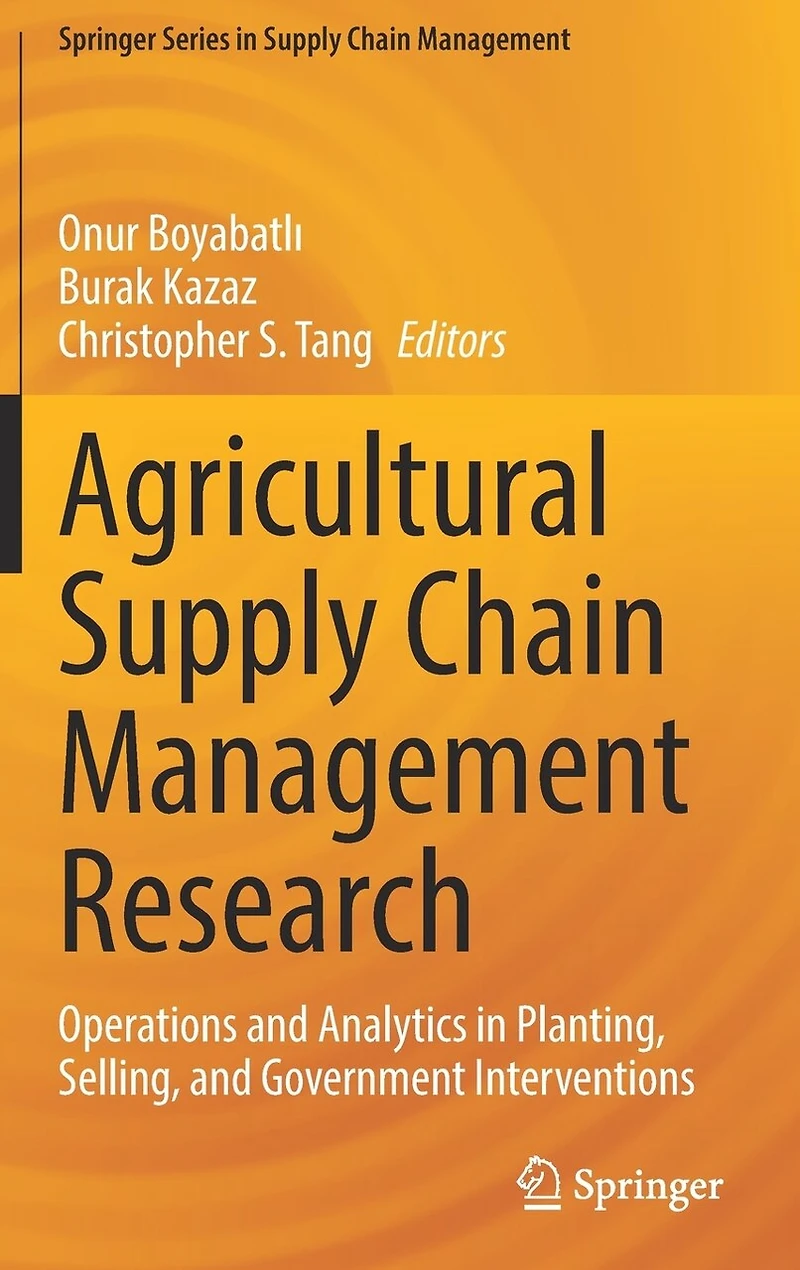
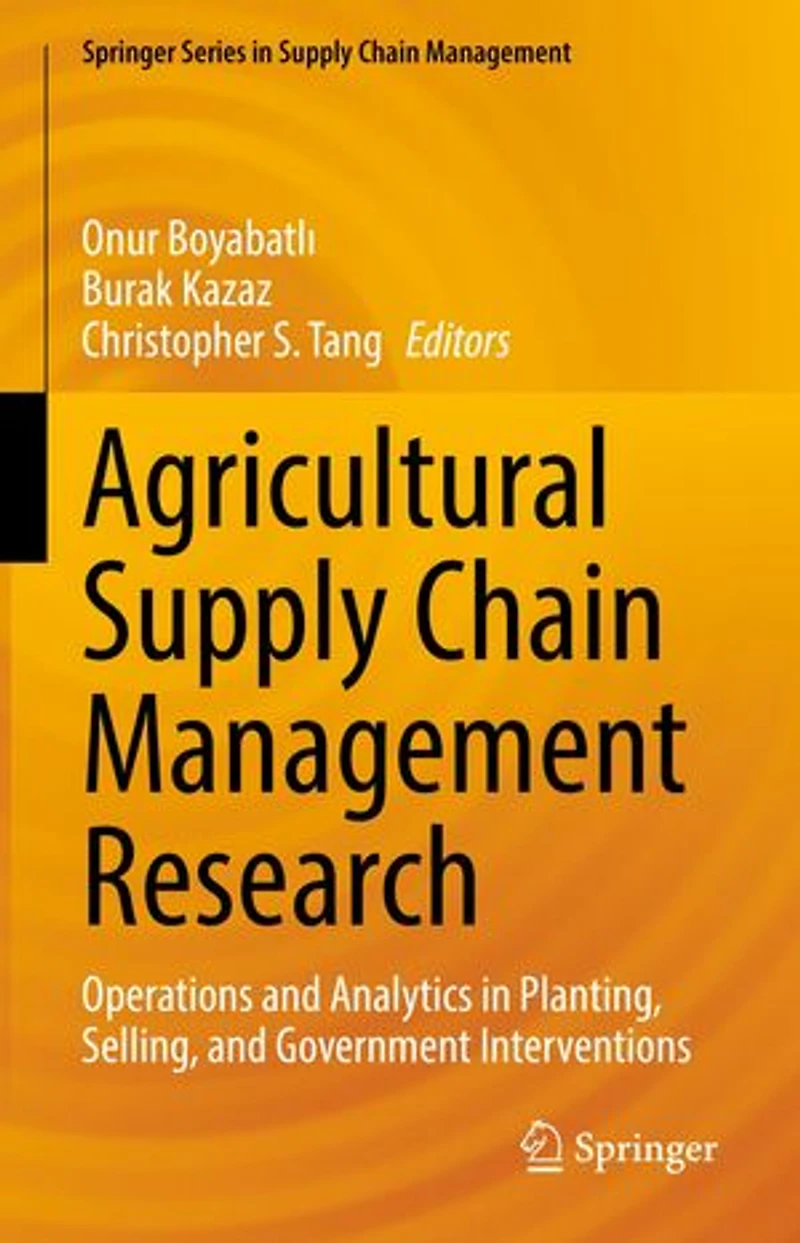
Agricultural Supply Chain Management Research: Operations and Analytics Planting, Selling, Government Interventio: Interventions in Brampton, ON
Current price: $291.95
Coles
Agricultural Supply Chain Management Research: Operations and Analytics Planting, Selling, Government Interventio: Interventions in Brampton, ON
Current price: $291.95
Loading Inventory...
Size: Hardcover
*Product information and pricing may vary - to confirm current pricing, availability, shipping, and return information please contact Coles. In the event of a pricing discrepancy, the retailer's price will apply.
This book focuses on three essential elements of agricultural supply chains: Planting and Growing, Processing and Selling, and Government Interventions. For decades, most agricultural economists applied macro-economic theory in decisions pertaining to the optimization of food production and distribution. However, few researchers used micro-economic theory to examine how individual farmers respond to market information, incentive pricing mechanisms and different market structures in the trade of agricultural goods. Examining challenges in agricultural supply chain operations through the lens of micro-economic theory is imperative because it can enable policymakers and social enterprises to develop and design market information provision policy, incentive contracts and market structures for improving farmer and consumer welfare.
In each chapter, contributing authors motivate their research questions by providing the context and articulating the importance of their questions.They present their analysis to examine the respective research questions and explain their results. At the end of each chapter, they provide a short list of future research questions.
This book focuses on three essential elements of agricultural supply chains: Planting and Growing, Processing and Selling, and Government Interventions. For decades, most agricultural economists applied macro-economic theory in decisions pertaining to the optimization of food production and distribution. However, few researchers used micro-economic theory to examine how individual farmers respond to market information, incentive pricing mechanisms and different market structures in the trade of agricultural goods. Examining challenges in agricultural supply chain operations through the lens of micro-economic theory is imperative because it can enable policymakers and social enterprises to develop and design market information provision policy, incentive contracts and market structures for improving farmer and consumer welfare.
In each chapter, contributing authors motivate their research questions by providing the context and articulating the importance of their questions.They present their analysis to examine the respective research questions and explain their results. At the end of each chapter, they provide a short list of future research questions.
You May Also Like











Find at Bramalea City Centre in Brampton, ON
Visit at Bramalea City Centre in Brampton, ON