



Gifting Made Simple
Give the Gift of ChoiceClick below to purchase a Bramalea City Centre eGift Card that can be used at participating retailers at Bramalea City Centre.Purchase HereHome
Agrarian Economies: The Decline of Feudalism and the Rise of Modern Agriculture
Coles
Loading Inventory...
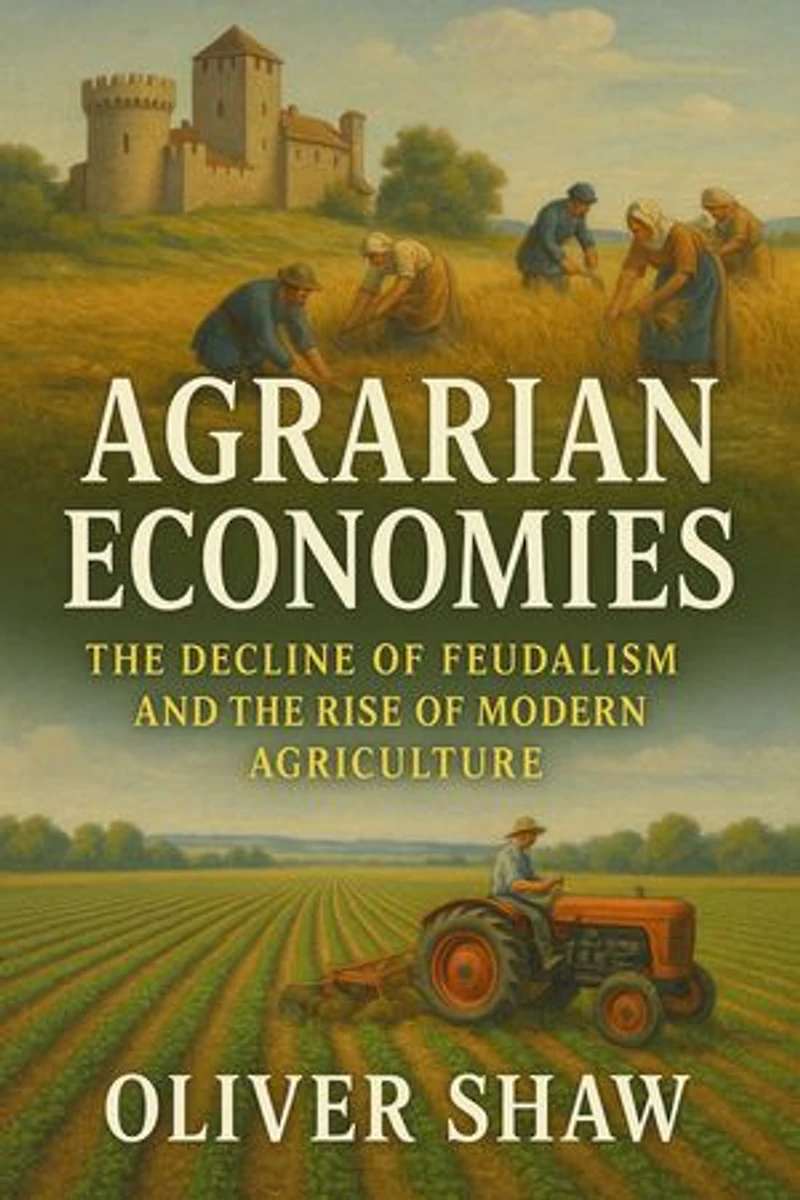
Agrarian Economies: The Decline of Feudalism and the Rise of Modern Agriculture in Brampton, ON
Current price: $4.99
Coles
Agrarian Economies: The Decline of Feudalism and the Rise of Modern Agriculture in Brampton, ON
Current price: $4.99
Loading Inventory...
Size: Kobo eBook
*Product information and pricing may vary - to confirm current pricing, availability, shipping, and return information please contact Coles. In the event of a pricing discrepancy, the retailer's price will apply.
This book explores the transformative journey from feudal agrarian systems to the rise of modern agriculture, examining the economic, social, and political forces that shaped agricultural practices over the centuries. It provides a comprehensive analysis of how the decline of feudalism in Europe, marked by the erosion of serfdom and the rise of market-driven economies, led to the development of capitalist agricultural systems. The book delves into the role of key innovations such as crop rotation, mechanization, and the rise of agribusiness, as well as the environmental and societal consequences of agricultural commercialization. Through historical analysis and case studies, Shaw offers a compelling look at how the relationship between land, labor, and capital evolved, ultimately leading to the agriculture we recognize today, while considering its lasting impacts on economies and societies around the world.
This book explores the transformative journey from feudal agrarian systems to the rise of modern agriculture, examining the economic, social, and political forces that shaped agricultural practices over the centuries. It provides a comprehensive analysis of how the decline of feudalism in Europe, marked by the erosion of serfdom and the rise of market-driven economies, led to the development of capitalist agricultural systems. The book delves into the role of key innovations such as crop rotation, mechanization, and the rise of agribusiness, as well as the environmental and societal consequences of agricultural commercialization. Through historical analysis and case studies, Shaw offers a compelling look at how the relationship between land, labor, and capital evolved, ultimately leading to the agriculture we recognize today, while considering its lasting impacts on economies and societies around the world.
You May Also Like


















Find at Bramalea City Centre in Brampton, ON
Visit at Bramalea City Centre in Brampton, ON