



Gifting Made Simple
Give the Gift of ChoiceClick below to purchase a Bramalea City Centre eGift Card that can be used at participating retailers at Bramalea City Centre.Purchase HereHome
Agonistic Transitional Justice and the Pursuit of Post-liberal Peace: Beyond One Single Truth
Coles
Loading Inventory...
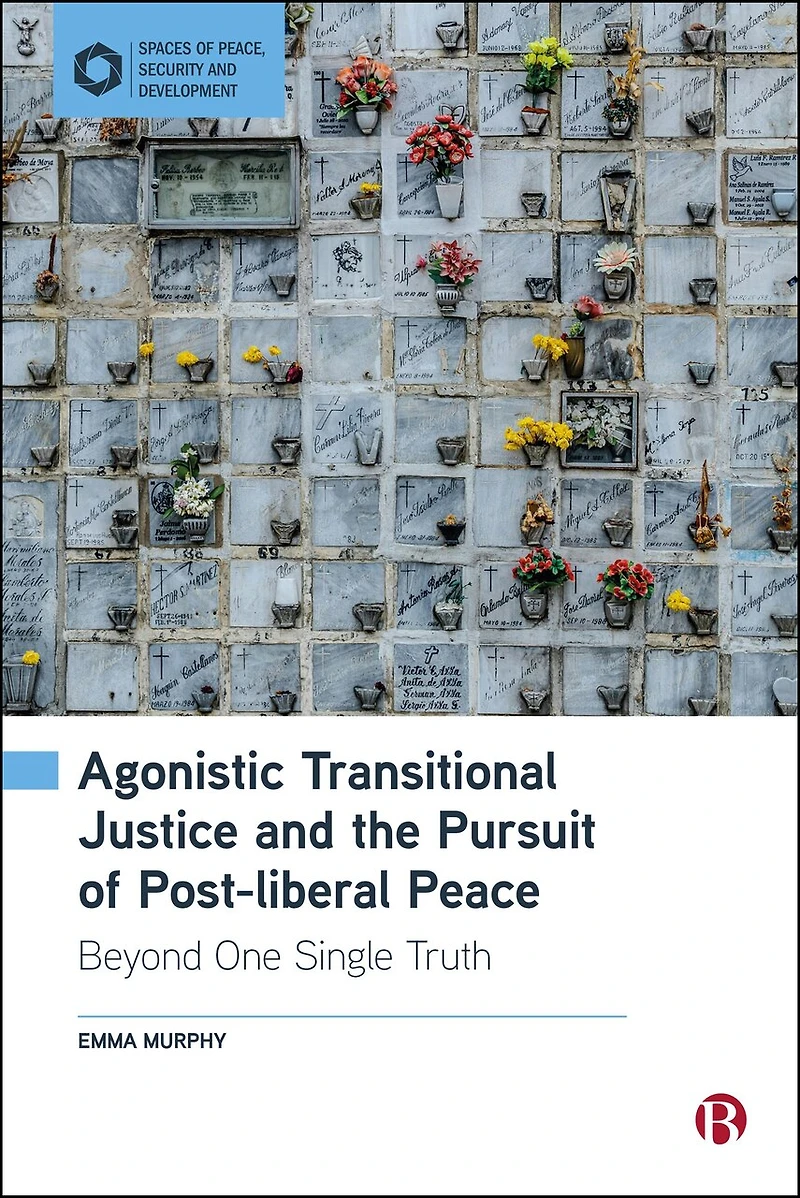
Agonistic Transitional Justice and the Pursuit of Post-liberal Peace: Beyond One Single Truth in Brampton, ON
Current price: $166.99
Coles
Agonistic Transitional Justice and the Pursuit of Post-liberal Peace: Beyond One Single Truth in Brampton, ON
Current price: $166.99
Loading Inventory...
Size: Paperback
*Product information and pricing may vary - to confirm current pricing, availability, shipping, and return information please contact Coles. In the event of a pricing discrepancy, the retailer's price will apply.
The liberal approach to transitional justice and peacebuilding has been widely critiqued for its shallow approach to gendered inclusion and inattention to local context, yet has historically remained dominant. This book puts forward an alternative framework: agonistic transitional justice.
Agonism embraces contestation and multiplicity rather than trying to work towards consensus or objectivity. To assess the feasibility of agonistic approaches as an alternative to the liberal model, the book compares three cases reflecting different degrees of institutional adoption: Colombia (high), Northern Ireland (mixed) and Uganda (minimal). Taking gender as an entry point, it examines how agonistic transitional justice addresses identity-based hierarchies, domination and oppression.
Combining theoretical innovation with original empirical research, the book offers insights for scholars and practitioners seeking alternatives to liberal peacebuilding and transitional justice.
The liberal approach to transitional justice and peacebuilding has been widely critiqued for its shallow approach to gendered inclusion and inattention to local context, yet has historically remained dominant. This book puts forward an alternative framework: agonistic transitional justice.
Agonism embraces contestation and multiplicity rather than trying to work towards consensus or objectivity. To assess the feasibility of agonistic approaches as an alternative to the liberal model, the book compares three cases reflecting different degrees of institutional adoption: Colombia (high), Northern Ireland (mixed) and Uganda (minimal). Taking gender as an entry point, it examines how agonistic transitional justice addresses identity-based hierarchies, domination and oppression.
Combining theoretical innovation with original empirical research, the book offers insights for scholars and practitioners seeking alternatives to liberal peacebuilding and transitional justice.
You May Also Like
















Find at Bramalea City Centre in Brampton, ON
Visit at Bramalea City Centre in Brampton, ON