



Gifting Made Simple
Give the Gift of ChoiceClick below to purchase a Bramalea City Centre eGift Card that can be used at participating retailers at Bramalea City Centre.Purchase HereHome
Against the Tides: Reshaping Landscape and Community Canada's Maritime Marshlands
Coles
Loading Inventory...
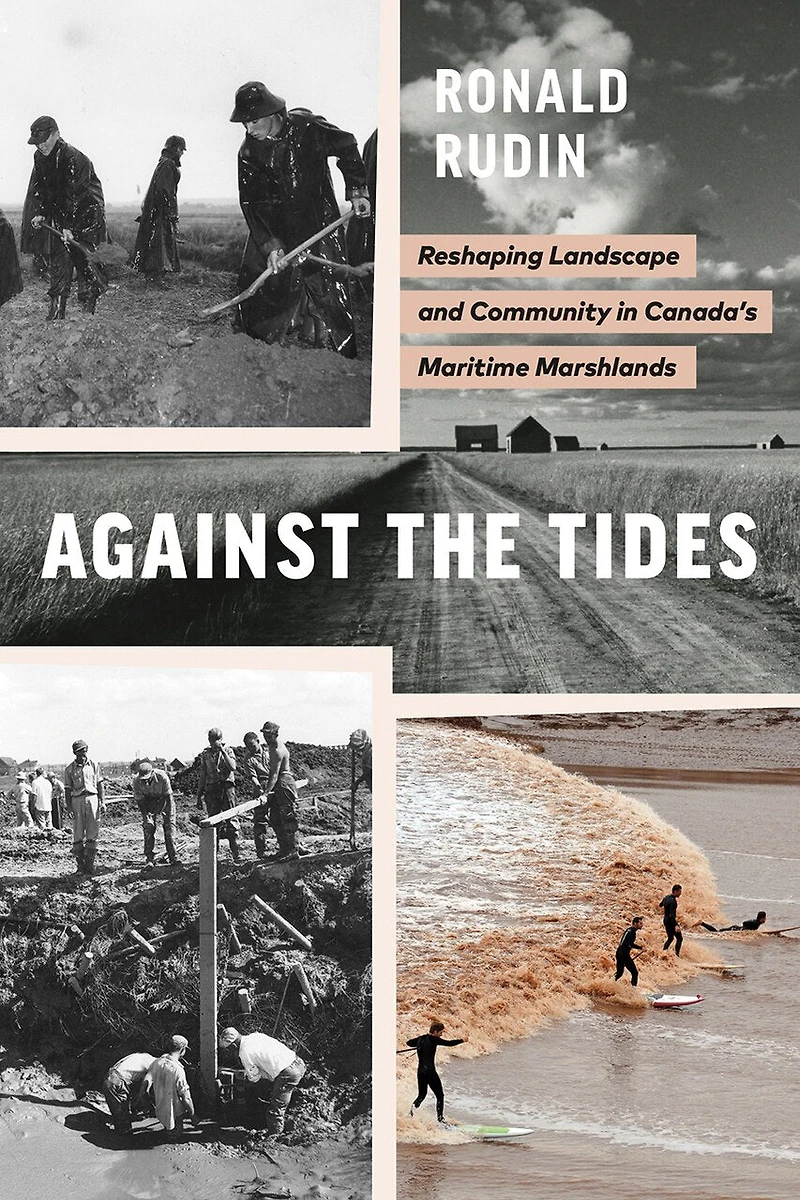
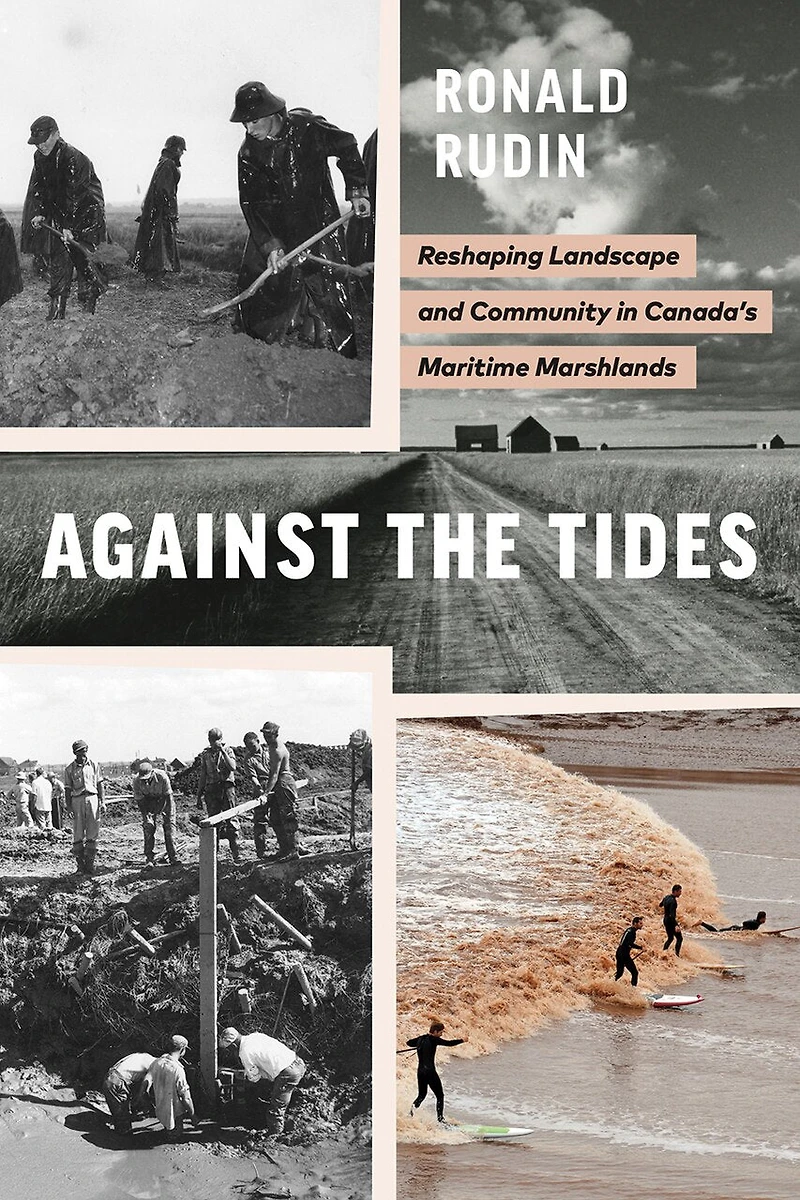
Against the Tides: Reshaping Landscape and Community Canada's Maritime Marshlands in Brampton, ON
Current price: $89.95
Coles
Against the Tides: Reshaping Landscape and Community Canada's Maritime Marshlands in Brampton, ON
Current price: $89.95
Loading Inventory...
Size: Hardcover
*Product information and pricing may vary - to confirm current pricing, availability, shipping, and return information please contact Coles. In the event of a pricing discrepancy, the retailer's price will apply.
For four centuries, dykes held back the largest tides in the world, in the Bay of Fundy region of New Brunswick and Nova Scotia. These dykes turned salt marsh into arable land and made farming possible, but by the 1940s they had fallen into disrepair. Against the Tides is the never-before-told story of the Maritime Marshland Rehabilitation Administration (MMRA), a federal agency created in 1948 to reshape the landscape. Although agency engineers often borrowed from long-standing dykeland practices, they were so convinced of their own expertise that they sometimes disregarded local conditions, marginalizing farmers in the process. The engineers’ hubris resulted in tidal dams that compromised some of the region’s rivers, leaving behind environmental damage. This book is a vivid, richly detailed account of a distinctive landscape and its occupants, revealing the push–pull of local and expert knowledge and the role of the state in the postwar era.
For four centuries, dykes held back the largest tides in the world, in the Bay of Fundy region of New Brunswick and Nova Scotia. These dykes turned salt marsh into arable land and made farming possible, but by the 1940s they had fallen into disrepair. Against the Tides is the never-before-told story of the Maritime Marshland Rehabilitation Administration (MMRA), a federal agency created in 1948 to reshape the landscape. Although agency engineers often borrowed from long-standing dykeland practices, they were so convinced of their own expertise that they sometimes disregarded local conditions, marginalizing farmers in the process. The engineers’ hubris resulted in tidal dams that compromised some of the region’s rivers, leaving behind environmental damage. This book is a vivid, richly detailed account of a distinctive landscape and its occupants, revealing the push–pull of local and expert knowledge and the role of the state in the postwar era.
You May Also Like















Find at Bramalea City Centre in Brampton, ON
Visit at Bramalea City Centre in Brampton, ON