



Gifting Made Simple
Give the Gift of ChoiceClick below to purchase a Bramalea City Centre eGift Card that can be used at participating retailers at Bramalea City Centre.Purchase HereHome
Against the Grain
Coles
Loading Inventory...
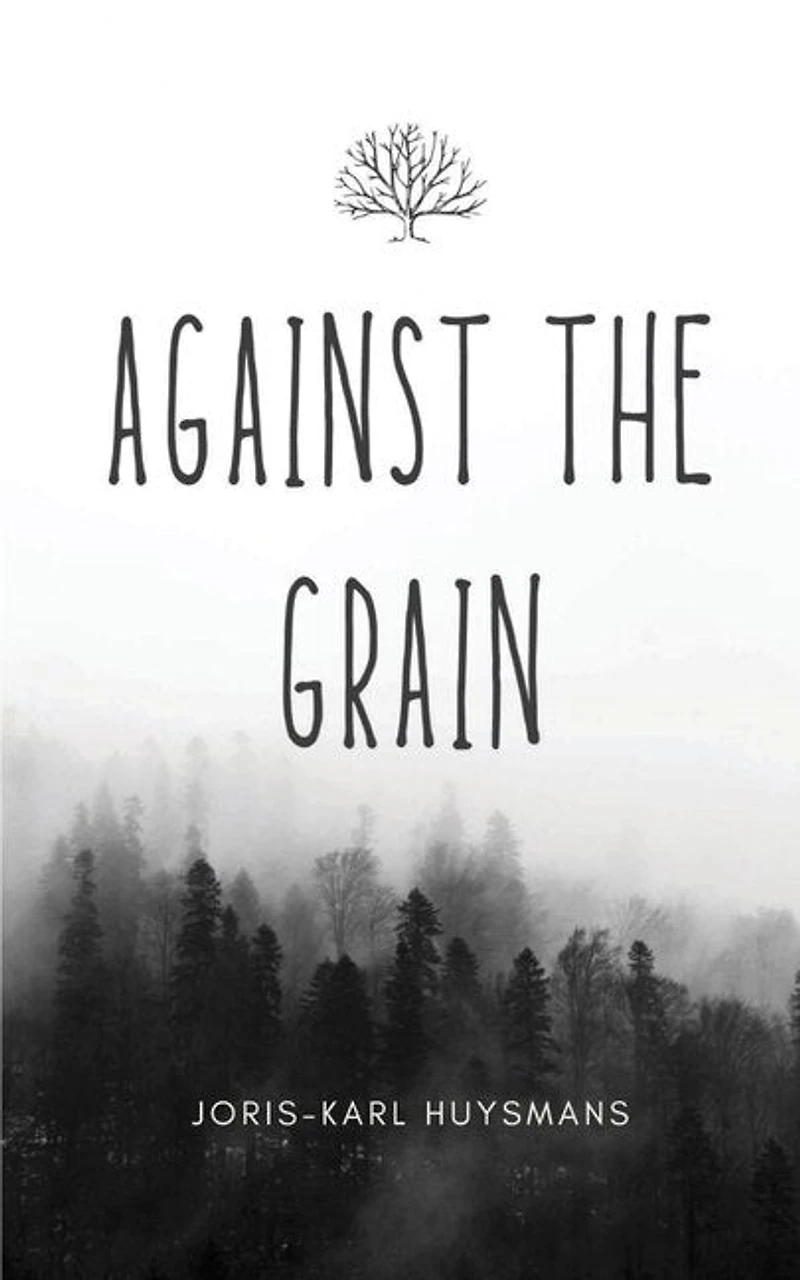
Against the Grain in Brampton, ON
Current price: $23.99
Coles
Against the Grain in Brampton, ON
Current price: $23.99
Loading Inventory...
Size: Paperback
*Product information and pricing may vary - to confirm current pricing, availability, shipping, and return information please contact Coles. In the event of a pricing discrepancy, the retailer's price will apply.
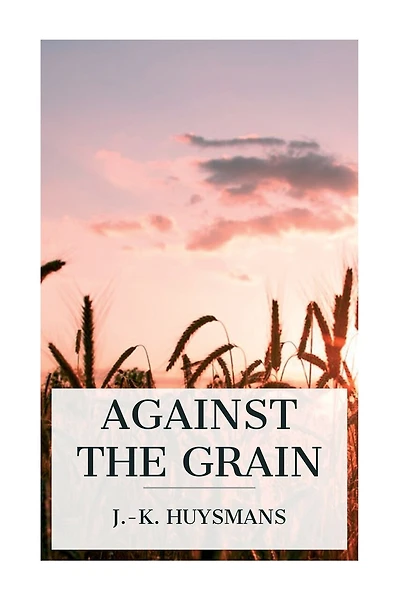
À rebours translated Against Nature or Against the Grain is an 1884 novel by the French writer Joris-Karl Huysmans. The narrative centers on a single character: Jean des Esseintes, an eccentric, reclusive, ailing aesthete. The last scion of an aristocratic family, Des Esseintes loathes nineteenth-century bourgeois society and tries to retreat into an ideal artistic world of his own creation. The narrative is almost entirely a catalogue of the neurotic Des Esseintes's aesthetic tastes, musings on literature, painting, and religion, and hyperaesthesic sensory experiences. À rebours contains many themes that became associated with the Symbolist aesthetic. In doing so, it broke from Naturalism and became the ultimate example of "Decadent" literature, inspiring works such as Oscar Wilde's The Picture of Dorian Gray (1890). In his preface for the 1903 publication of the novel, Huysmans wrote that he had the idea to portray a man "soaring upwards into dream, seeking refuge in illusions of extravagant fantasy, living alone, far from his century, among memories of more congenial times, of less base surroundings ... each chapter became the sublimate of a specialism, the refinement of a different art; it became condensed into an essence of jewellery, perfumes, religious and secular literature, of profane music and plain-chant."
À rebours translated Against Nature or Against the Grain is an 1884 novel by the French writer Joris-Karl Huysmans. The narrative centers on a single character: Jean des Esseintes, an eccentric, reclusive, ailing aesthete. The last scion of an aristocratic family, Des Esseintes loathes nineteenth-century bourgeois society and tries to retreat into an ideal artistic world of his own creation. The narrative is almost entirely a catalogue of the neurotic Des Esseintes's aesthetic tastes, musings on literature, painting, and religion, and hyperaesthesic sensory experiences. À rebours contains many themes that became associated with the Symbolist aesthetic. In doing so, it broke from Naturalism and became the ultimate example of "Decadent" literature, inspiring works such as Oscar Wilde's The Picture of Dorian Gray (1890). In his preface for the 1903 publication of the novel, Huysmans wrote that he had the idea to portray a man "soaring upwards into dream, seeking refuge in illusions of extravagant fantasy, living alone, far from his century, among memories of more congenial times, of less base surroundings ... each chapter became the sublimate of a specialism, the refinement of a different art; it became condensed into an essence of jewellery, perfumes, religious and secular literature, of profane music and plain-chant."
You May Also Like
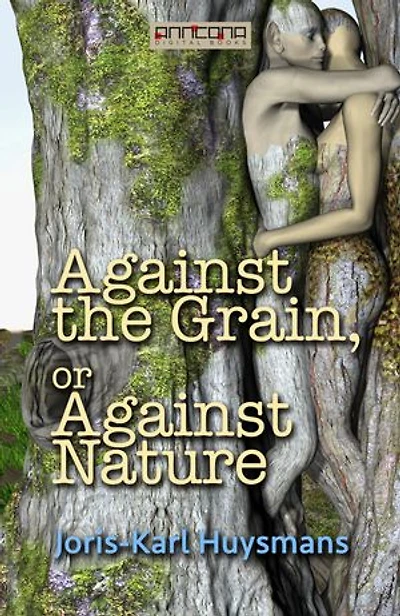












Find at Bramalea City Centre in Brampton, ON
Visit at Bramalea City Centre in Brampton, ON