



Gifting Made Simple
Give the Gift of ChoiceClick below to purchase a Bramalea City Centre eGift Card that can be used at participating retailers at Bramalea City Centre.Purchase HereHome
Aftermath of 1984 Anti-Sikh Violence: A Transgenerational Trauma-informed Perspective
Coles
Loading Inventory...
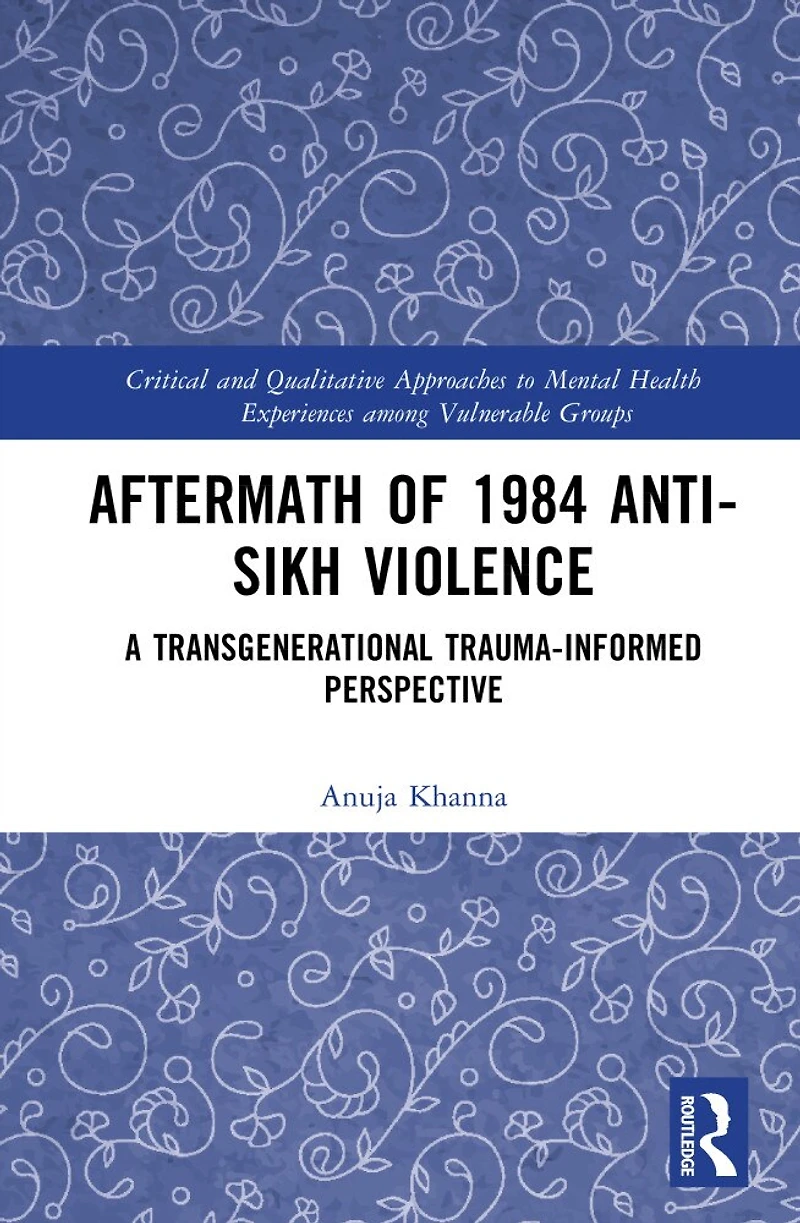
Aftermath of 1984 Anti-Sikh Violence: A Transgenerational Trauma-informed Perspective in Brampton, ON
Current price: $296.50
Coles
Aftermath of 1984 Anti-Sikh Violence: A Transgenerational Trauma-informed Perspective in Brampton, ON
Current price: $296.50
Loading Inventory...
Size: Hardcover
*Product information and pricing may vary - to confirm current pricing, availability, shipping, and return information please contact Coles. In the event of a pricing discrepancy, the retailer's price will apply.
This book explores the inheritance of trauma, distress, and healing from one generation of survivors of the 1984 anti-Sikh violence to the next. It looks at this dyadic relationship and the post-violence context that is marked by their experience of injustice. The book highlights the psycho-social impacts of violence on survivors and their families' everyday struggles against conditions of injustice, marginalization, deprivation, stigma, and threat to one's individual and collective identity. Through interviews and ethnographic explorations, it analyses the lived experiences of survivors, understanding the everyday struggles of suffering and healing and their relationship with their families and the next generation. This book will be of interest to students, teachers, and researchers of psychology, trauma studies, clinical psychology, health psychology, qualitative research, and social psychology. It will also be useful for those interested in interdisciplinary perspectives on mental health, trauma and disaster mental health, ethnography, and qualitative research methodology.
This book explores the inheritance of trauma, distress, and healing from one generation of survivors of the 1984 anti-Sikh violence to the next. It looks at this dyadic relationship and the post-violence context that is marked by their experience of injustice. The book highlights the psycho-social impacts of violence on survivors and their families' everyday struggles against conditions of injustice, marginalization, deprivation, stigma, and threat to one's individual and collective identity. Through interviews and ethnographic explorations, it analyses the lived experiences of survivors, understanding the everyday struggles of suffering and healing and their relationship with their families and the next generation. This book will be of interest to students, teachers, and researchers of psychology, trauma studies, clinical psychology, health psychology, qualitative research, and social psychology. It will also be useful for those interested in interdisciplinary perspectives on mental health, trauma and disaster mental health, ethnography, and qualitative research methodology.
You May Also Like











Find at Bramalea City Centre in Brampton, ON
Visit at Bramalea City Centre in Brampton, ON