



Gifting Made Simple
Give the Gift of ChoiceClick below to purchase a Bramalea City Centre eGift Card that can be used at participating retailers at Bramalea City Centre.Purchase HereHome
After Hedging: Hard Choices for the Indo-Pacific States Between US and China
Coles
Loading Inventory...
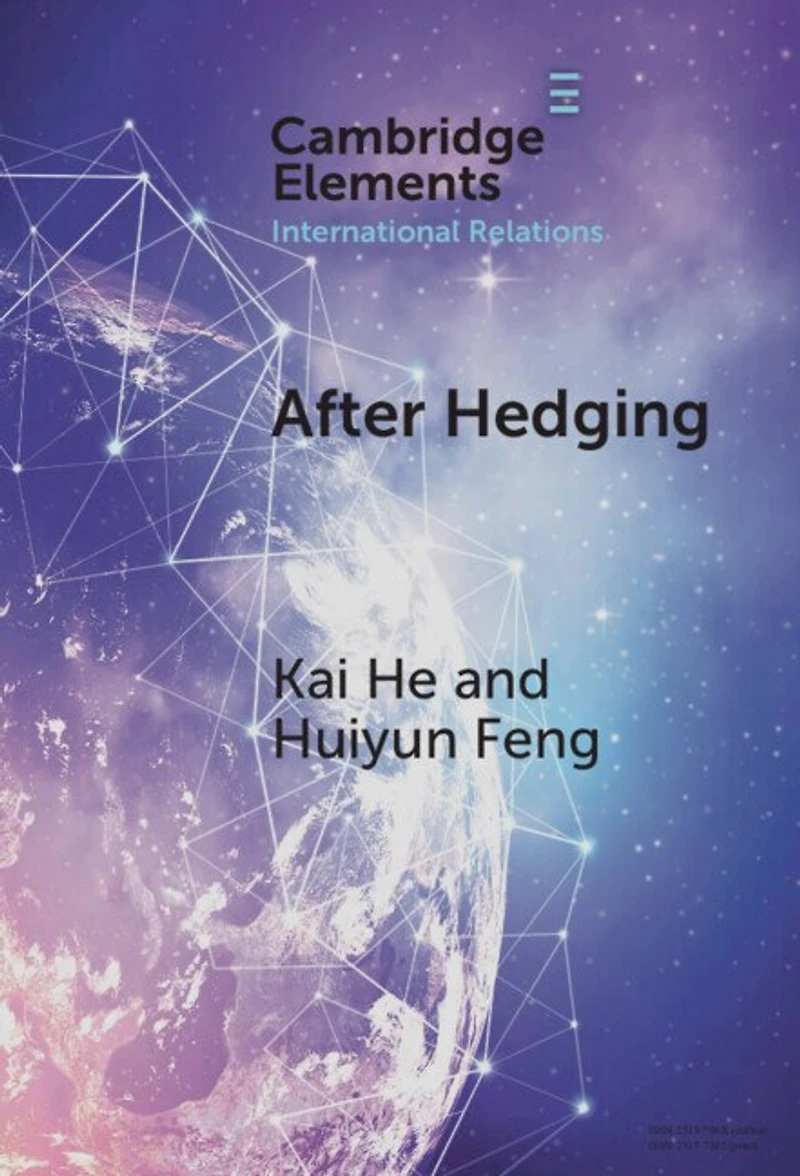
After Hedging: Hard Choices for the Indo-Pacific States Between US and China in Brampton, ON
Current price: $94.73
Coles
After Hedging: Hard Choices for the Indo-Pacific States Between US and China in Brampton, ON
Current price: $94.73
Loading Inventory...
Size: Hardcover
*Product information and pricing may vary - to confirm current pricing, availability, shipping, and return information please contact Coles. In the event of a pricing discrepancy, the retailer's price will apply.
The strategic rivalry between the United States and China has heightened since COVID-19. Secondary states face increasing difficulties maintaining a 'hedging' strategy between the United States and China. This Element introduces a preference-for-change model to explain the policy variations of states during the order transition. It suggests that policymakers will perceive a potential change in the international order through a cost–benefit prism. The interplays between the perceived costs and the perception of benefits from the order transition will shape states' policy choices among four strategic options: (1) hedging to bet on uncertainties; (2) bandwagoning with rising powers to support changes; (3) balancing against rising powers to resist changes; and (4) buck-passing to ignore changes. Four case studies (Australia, New Zealand, Singapore, and Thailand) are conducted to explore the policy choices of regional powers during the international order transition. This title is also available as Open Access on Cambridge Core.
The strategic rivalry between the United States and China has heightened since COVID-19. Secondary states face increasing difficulties maintaining a 'hedging' strategy between the United States and China. This Element introduces a preference-for-change model to explain the policy variations of states during the order transition. It suggests that policymakers will perceive a potential change in the international order through a cost–benefit prism. The interplays between the perceived costs and the perception of benefits from the order transition will shape states' policy choices among four strategic options: (1) hedging to bet on uncertainties; (2) bandwagoning with rising powers to support changes; (3) balancing against rising powers to resist changes; and (4) buck-passing to ignore changes. Four case studies (Australia, New Zealand, Singapore, and Thailand) are conducted to explore the policy choices of regional powers during the international order transition. This title is also available as Open Access on Cambridge Core.
You May Also Like















Find at Bramalea City Centre in Brampton, ON
Visit at Bramalea City Centre in Brampton, ON