



Gifting Made Simple
Give the Gift of ChoiceClick below to purchase a Bramalea City Centre eGift Card that can be used at participating retailers at Bramalea City Centre.Purchase HereHome
African Socialism Postcolonial Tanzania: Between the Village and World
Coles
Loading Inventory...
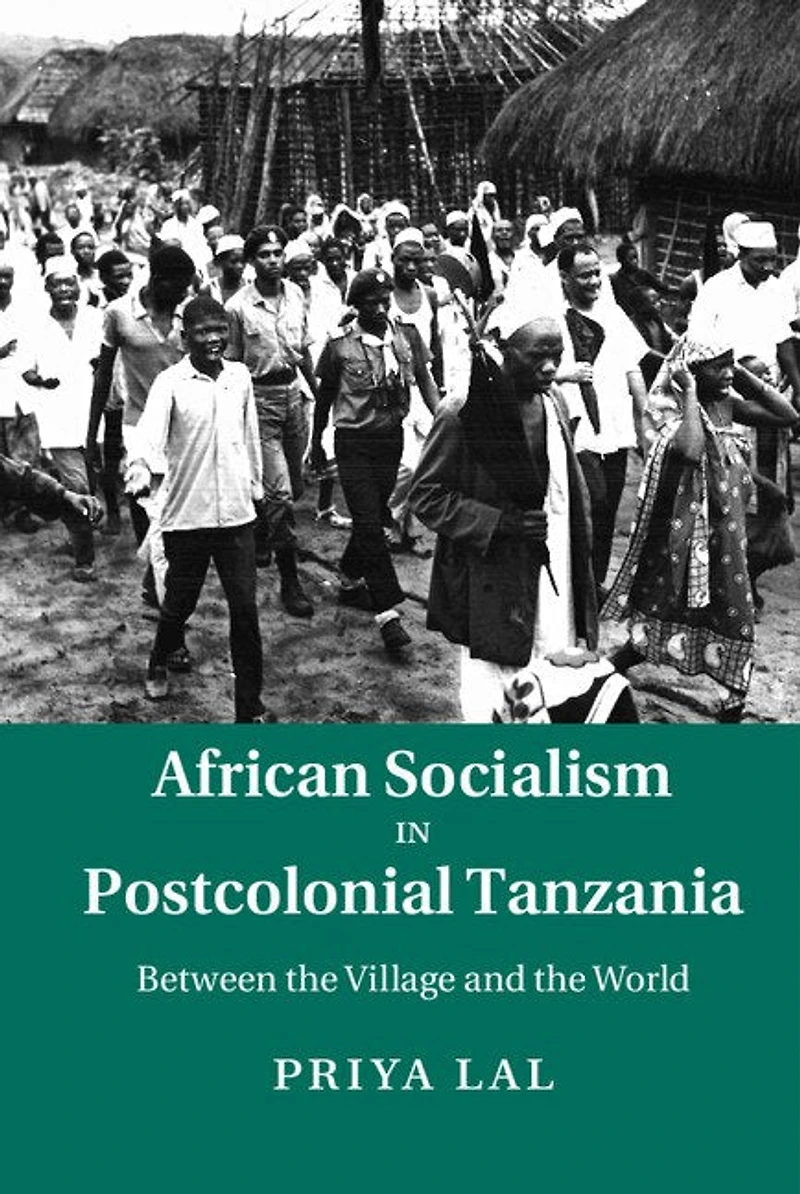
African Socialism Postcolonial Tanzania: Between the Village and World in Brampton, ON
Current price: $152.95
Coles
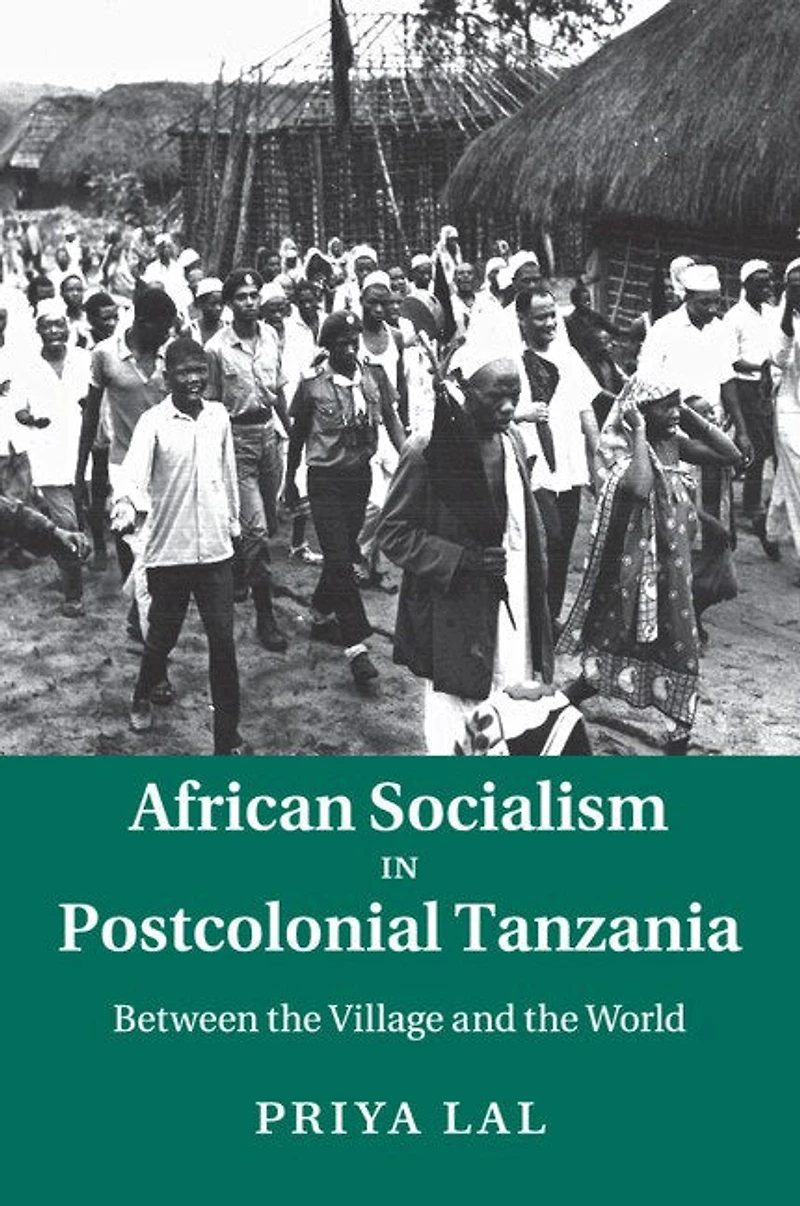
African Socialism Postcolonial Tanzania: Between the Village and World in Brampton, ON
Current price: $152.95
Loading Inventory...
Size: Hardcover
*Product information and pricing may vary - to confirm current pricing, availability, shipping, and return information please contact Coles. In the event of a pricing discrepancy, the retailer's price will apply.
Drawing on a wide range of oral and written sources, this book tells the story of Tanzania's socialist experiment: the ujamaa villagization initiative of 1967–1975. Inaugurated shortly after independence, ujamaa ('familyhood' in Swahili) both invoked established socialist themes and departed from the existing global repertoire of development policy, seeking to reorganize the Tanzanian countryside into communal villages to achieve national development. Priya Lal investigates how Tanzanian leaders and rural people creatively envisioned ujamaa and documents how villagization unfolded on the ground, without affixing the project to a trajectory of inevitable failure. By forging an empirically rich and conceptually nuanced account of ujamaa, African Socialism in Postcolonial Tanzania restores a sense of possibility and process to the early years of African independence, refines prevailing theories of nation building and development, and expands our understanding of the 1960s and 70s world.
Drawing on a wide range of oral and written sources, this book tells the story of Tanzania's socialist experiment: the ujamaa villagization initiative of 1967–1975. Inaugurated shortly after independence, ujamaa ('familyhood' in Swahili) both invoked established socialist themes and departed from the existing global repertoire of development policy, seeking to reorganize the Tanzanian countryside into communal villages to achieve national development. Priya Lal investigates how Tanzanian leaders and rural people creatively envisioned ujamaa and documents how villagization unfolded on the ground, without affixing the project to a trajectory of inevitable failure. By forging an empirically rich and conceptually nuanced account of ujamaa, African Socialism in Postcolonial Tanzania restores a sense of possibility and process to the early years of African independence, refines prevailing theories of nation building and development, and expands our understanding of the 1960s and 70s world.
You May Also Like











Find at Bramalea City Centre in Brampton, ON
Visit at Bramalea City Centre in Brampton, ON