



Gifting Made Simple
Give the Gift of ChoiceClick below to purchase a Bramalea City Centre eGift Card that can be used at participating retailers at Bramalea City Centre.Purchase HereHome
African Masculinities: Men Africa From The Late Nineteenth Century To Present
Coles
Loading Inventory...
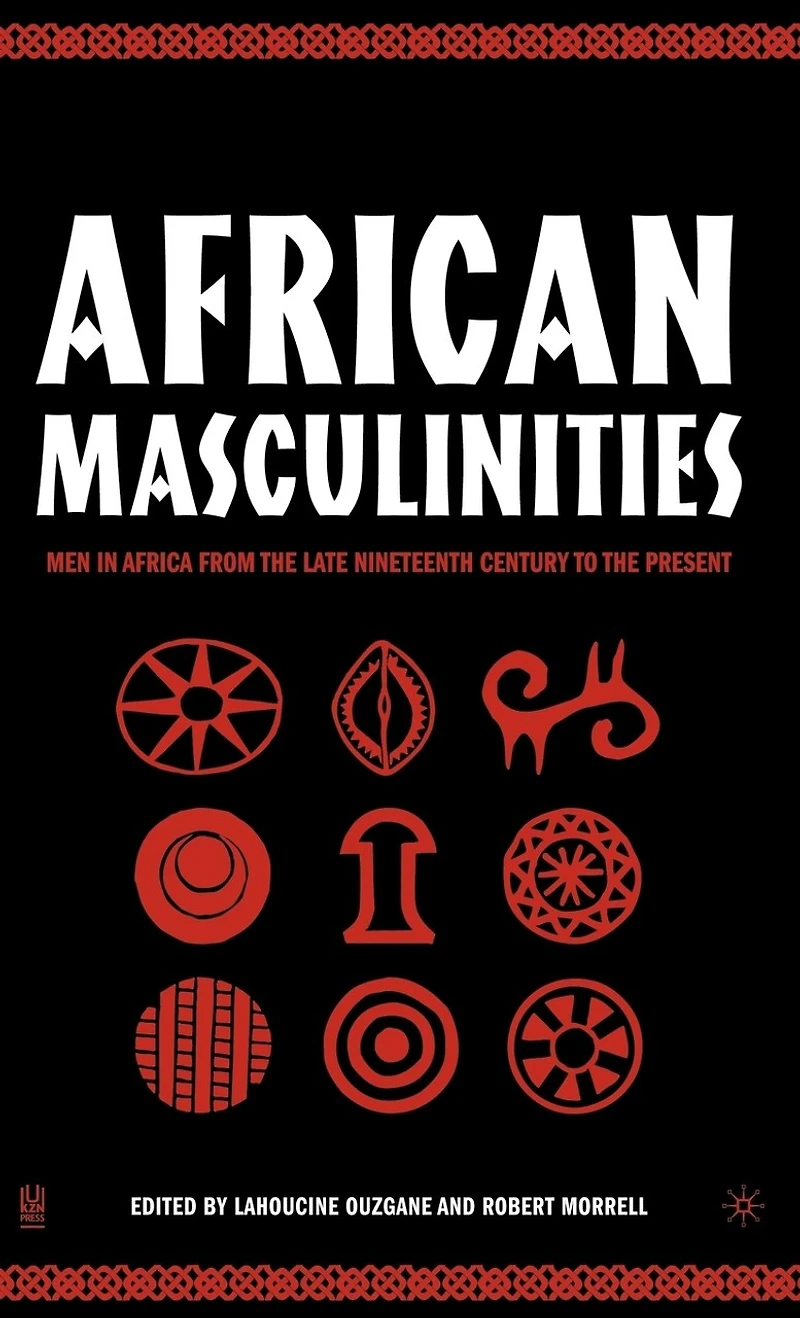
African Masculinities: Men Africa From The Late Nineteenth Century To Present in Brampton, ON
Current price: $160.95
Coles
African Masculinities: Men Africa From The Late Nineteenth Century To Present in Brampton, ON
Current price: $160.95
Loading Inventory...
Size: Hardcover
*Product information and pricing may vary - to confirm current pricing, availability, shipping, and return information please contact Coles. In the event of a pricing discrepancy, the retailer's price will apply.
While masculinity studies enjoys considerable growth in the West, there is very little analysis of African masculinities. This volume explores what it means for an African to be masculine and how male identity is shaped by cultural forces. The editors believe that to tackle the important questions in Africa-the many forms of violence (wars, genocides, familial violence and crime) and the AIDS pandemic-it is necessary to understand how a combination of a colonial past, patriarchal cultural structures and a variety of religious and knowledge systems creates masculine identities and sexualities. The work done in the book particularly bears in mind how vulnerability and marginalization produce complex forms of male identity. The book is interdisciplinary and is the first in-depth and comprehensive study of African men as a gendered category.
While masculinity studies enjoys considerable growth in the West, there is very little analysis of African masculinities. This volume explores what it means for an African to be masculine and how male identity is shaped by cultural forces. The editors believe that to tackle the important questions in Africa-the many forms of violence (wars, genocides, familial violence and crime) and the AIDS pandemic-it is necessary to understand how a combination of a colonial past, patriarchal cultural structures and a variety of religious and knowledge systems creates masculine identities and sexualities. The work done in the book particularly bears in mind how vulnerability and marginalization produce complex forms of male identity. The book is interdisciplinary and is the first in-depth and comprehensive study of African men as a gendered category.
You May Also Like











Find at Bramalea City Centre in Brampton, ON
Visit at Bramalea City Centre in Brampton, ON