



Gifting Made Simple
Give the Gift of ChoiceClick below to purchase a Bramalea City Centre eGift Card that can be used at participating retailers at Bramalea City Centre.Purchase HereHome
Affective Touching: Neurobiology and Technological Applications
Coles
Loading Inventory...
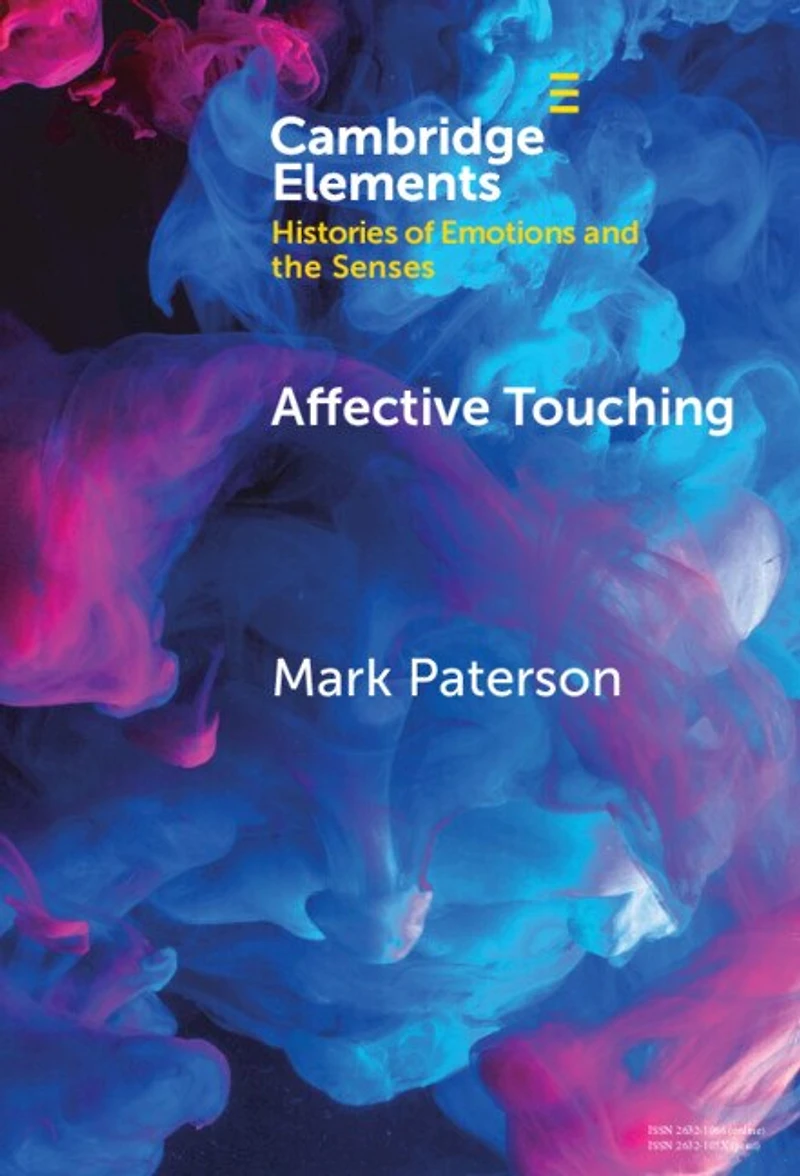
Affective Touching: Neurobiology and Technological Applications in Brampton, ON
Current price: $94.73
Coles
Affective Touching: Neurobiology and Technological Applications in Brampton, ON
Current price: $94.73
Loading Inventory...
Size: Hardcover
*Product information and pricing may vary - to confirm current pricing, availability, shipping, and return information please contact Coles. In the event of a pricing discrepancy, the retailer's price will apply.
At the end of the twentieth century the discovery of 'slow', affective touch nerves in humans known as C Tactile (CT) afferents, which are entirely separate from the faster pathways for touching objects, had huge social implications. The Swedish neuroscientists responsible formulated an “affective touch hypothesis” or “social touch hypothesis” to consider their purpose. Part I offers a history of the science of social touch, from related discoveries in mammals by physiologists in the 1930s, to the recent rediscoveries of the CT nerves in humans. Part II considers how these findings are being intentionally folded into technologies for interaction. First, as mediated social touch, communicating at a distance through haptics. Second, with the increasing number of social and service robots in health care and domestic settings, the role of affective touch within human-robot interaction design.
At the end of the twentieth century the discovery of 'slow', affective touch nerves in humans known as C Tactile (CT) afferents, which are entirely separate from the faster pathways for touching objects, had huge social implications. The Swedish neuroscientists responsible formulated an “affective touch hypothesis” or “social touch hypothesis” to consider their purpose. Part I offers a history of the science of social touch, from related discoveries in mammals by physiologists in the 1930s, to the recent rediscoveries of the CT nerves in humans. Part II considers how these findings are being intentionally folded into technologies for interaction. First, as mediated social touch, communicating at a distance through haptics. Second, with the increasing number of social and service robots in health care and domestic settings, the role of affective touch within human-robot interaction design.
You May Also Like



















Find at Bramalea City Centre in Brampton, ON
Visit at Bramalea City Centre in Brampton, ON