



Gifting Made Simple
Give the Gift of ChoiceClick below to purchase a Bramalea City Centre eGift Card that can be used at participating retailers at Bramalea City Centre.Purchase HereHome
Affective Geographies and Narratives of Chinese Diaspora
Coles
Loading Inventory...
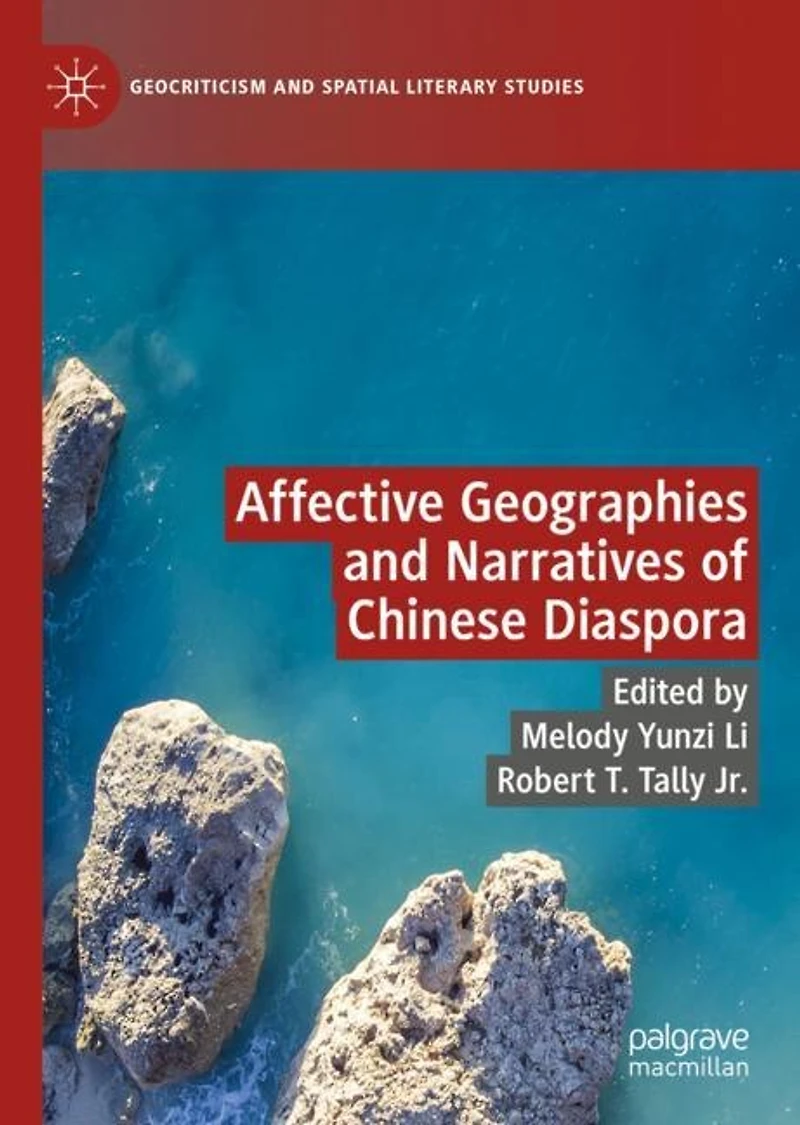
Affective Geographies and Narratives of Chinese Diaspora in Brampton, ON
Current price: $160.95
Coles
Affective Geographies and Narratives of Chinese Diaspora in Brampton, ON
Current price: $160.95
Loading Inventory...
Size: Hardcover
*Product information and pricing may vary - to confirm current pricing, availability, shipping, and return information please contact Coles. In the event of a pricing discrepancy, the retailer's price will apply.
In various ways, Chinese diasporic communities seek to connect and re-connect with their "homelands" in literature, film, and visual culture. The essays in Affective Geographies and Narratives of Chinese Diaspora examine how diasporic bodies and emotions interact with space and place, as well as how theories of affect change our thinking of diaspora. Questions of borders and border-crossing, not to mention the public and private spheres, in diaspora literature and film raise further questions about mapping and spatial representation and the affective and geographical significance of the push-and-pull movement in diasporic communities. The unique experience is represented differently by different authors across texts and media. In an age of globalization, in "the Chinese Century," the spatial representation and cultural experiences of mobility, displacement, settlement, and hybridity become all the more urgent. The essays in this volume respond to this urgency, and they help to frame the study of Chinese diaspora and culture today.
In various ways, Chinese diasporic communities seek to connect and re-connect with their "homelands" in literature, film, and visual culture. The essays in Affective Geographies and Narratives of Chinese Diaspora examine how diasporic bodies and emotions interact with space and place, as well as how theories of affect change our thinking of diaspora. Questions of borders and border-crossing, not to mention the public and private spheres, in diaspora literature and film raise further questions about mapping and spatial representation and the affective and geographical significance of the push-and-pull movement in diasporic communities. The unique experience is represented differently by different authors across texts and media. In an age of globalization, in "the Chinese Century," the spatial representation and cultural experiences of mobility, displacement, settlement, and hybridity become all the more urgent. The essays in this volume respond to this urgency, and they help to frame the study of Chinese diaspora and culture today.
You May Also Like
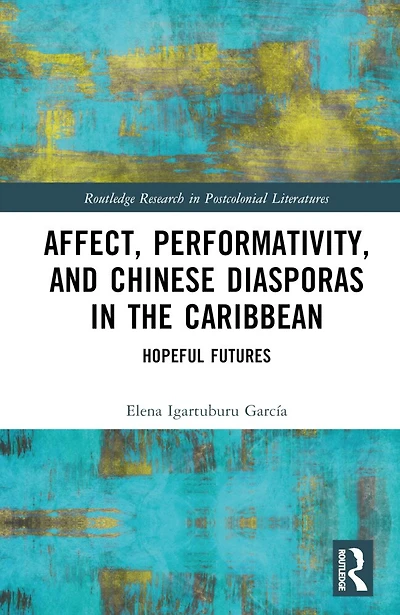
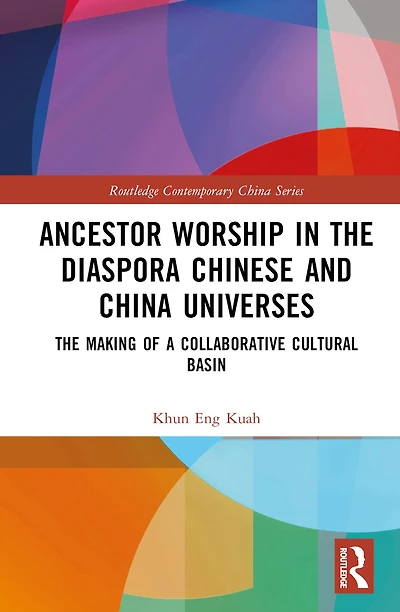
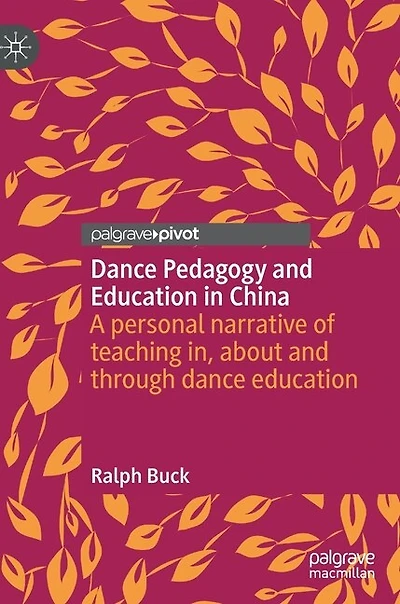








Find at Bramalea City Centre in Brampton, ON
Visit at Bramalea City Centre in Brampton, ON