



Gifting Made Simple
Give the Gift of ChoiceClick below to purchase a Bramalea City Centre eGift Card that can be used at participating retailers at Bramalea City Centre.Purchase HereHome
Affective Crisis and the Possibility of Attachment: A Comparative Study Contemporary Fiction Neoliberal Ruins
Coles
Loading Inventory...
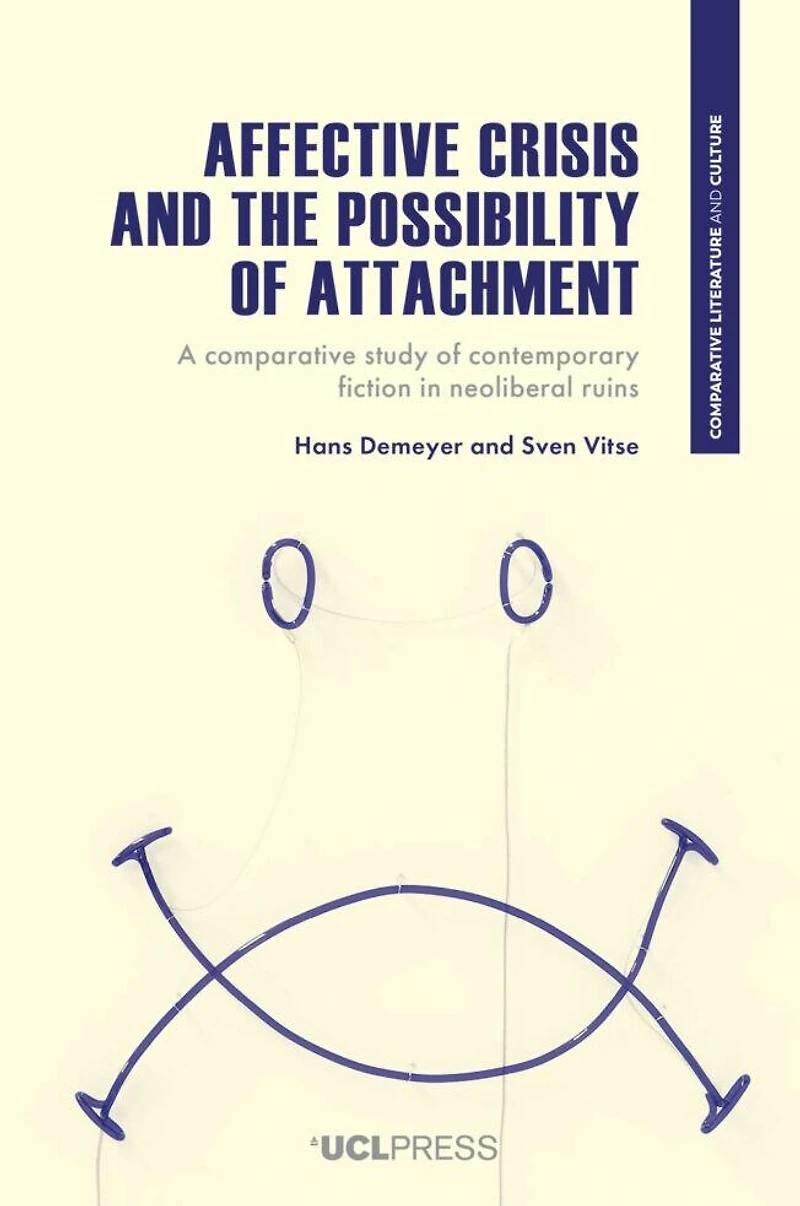
Affective Crisis and the Possibility of Attachment: A Comparative Study Contemporary Fiction Neoliberal Ruins in Brampton, ON
Current price: $104.00
Coles
Affective Crisis and the Possibility of Attachment: A Comparative Study Contemporary Fiction Neoliberal Ruins in Brampton, ON
Current price: $104.00
Loading Inventory...
Size: Hardcover
*Product information and pricing may vary - to confirm current pricing, availability, shipping, and return information please contact Coles. In the event of a pricing discrepancy, the retailer's price will apply.
An in-depth study of contemporary novels through the lens of affect theory and ideology critique. Affective Crisis and the Possibility of Attachment offers a comparative critical study of contemporary fiction. It intervenes in discussions about contemporary fiction in its literary-historical relationship to postmodernism and in its socio-historical relationship to neoliberalism, arguing that contemporary literature is dominated by affective questions that are rooted in neoliberalism. Whereas previous research focused on either a literary-historical or a socio-historical approach, this study examines eighteen novels from various parts of the world in both their diachronic relation to postmodernism and in their synchronic relation to neoliberal society.
An in-depth study of contemporary novels through the lens of affect theory and ideology critique. Affective Crisis and the Possibility of Attachment offers a comparative critical study of contemporary fiction. It intervenes in discussions about contemporary fiction in its literary-historical relationship to postmodernism and in its socio-historical relationship to neoliberalism, arguing that contemporary literature is dominated by affective questions that are rooted in neoliberalism. Whereas previous research focused on either a literary-historical or a socio-historical approach, this study examines eighteen novels from various parts of the world in both their diachronic relation to postmodernism and in their synchronic relation to neoliberal society.
You May Also Like










Find at Bramalea City Centre in Brampton, ON
Visit at Bramalea City Centre in Brampton, ON