



Gifting Made Simple
Give the Gift of ChoiceClick below to purchase a Bramalea City Centre eGift Card that can be used at participating retailers at Bramalea City Centre.Purchase HereHome
Affective Betrayal: Mind, Music, and Embodied Action Late Qing China
Coles
Loading Inventory...
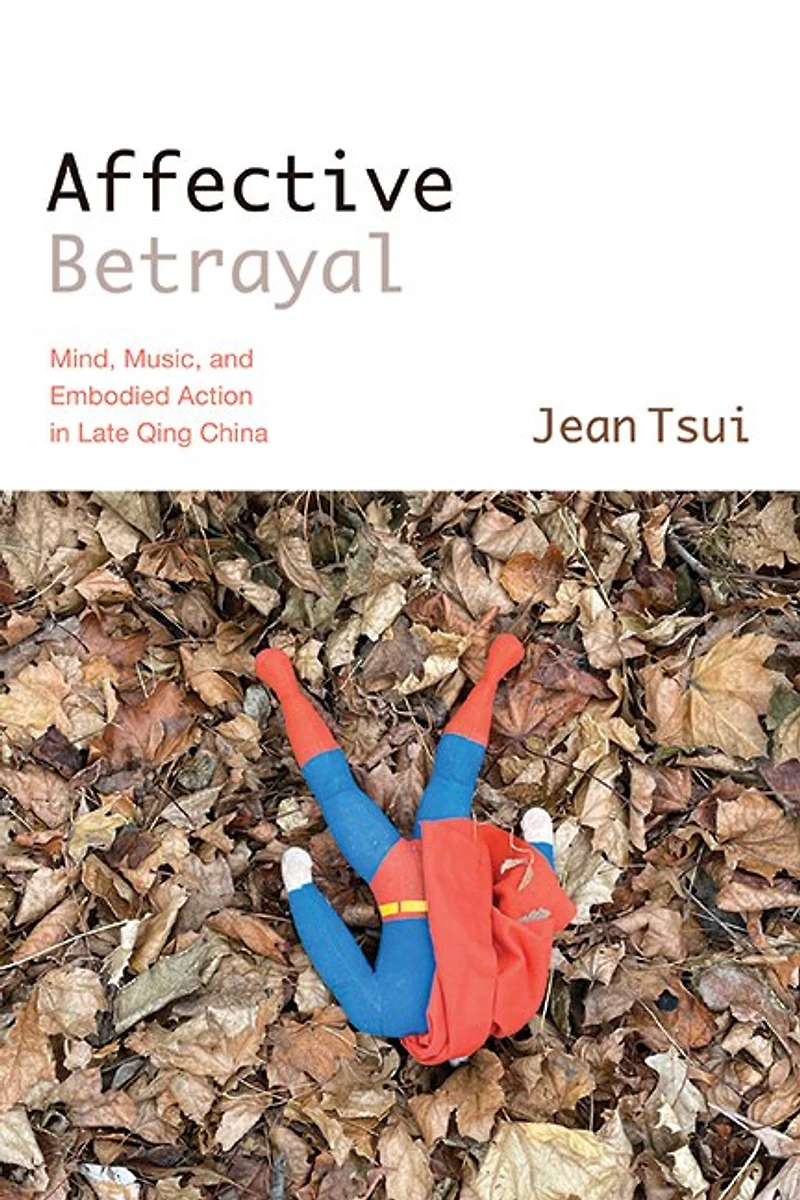
Affective Betrayal: Mind, Music, and Embodied Action Late Qing China in Brampton, ON
Current price: $135.95
Coles
Affective Betrayal: Mind, Music, and Embodied Action Late Qing China in Brampton, ON
Current price: $135.95
Loading Inventory...
Size: Hardcover
*Product information and pricing may vary - to confirm current pricing, availability, shipping, and return information please contact Coles. In the event of a pricing discrepancy, the retailer's price will apply.
uses "affect" as an analytical category to explicate the fragility and fragmentation of Chinese political modernity. In so doing, the book uncovers some of the unresolved moral and philosophical obstacles China encountered in the past, as well as the cultural predicament the country faces at present.
At the turn of the twentieth century, China's leading reformer Liang Qichao (1873–1929) presented modern political knowledge in musical and visual representational formats that were designed to stimulate readers' bodily senses. By expanding the reception of textual knowledge from "reading" to "listening" and "visualizing experiences," Liang generated an epistemic shift, and perhaps an all-inclusive internal intellectual, philosophical, and moral transition, alongside China's modern political reform. By tracing the marginalized academic and philosophical positions Liang sought to restore in China's incipient democratic movement,
examines how his attempts to conjoin Confucian morality and liberal democracy expose hidden anxieties as well as inherent contradictions between these two systems of thought. These conflicts, besides disrupting the stability of China's burgeoning modern political order, explain why the import of modern concepts led to China's continued political impasse, rather than rationality and progress, after the 1911 revolution.
uses "affect" as an analytical category to explicate the fragility and fragmentation of Chinese political modernity. In so doing, the book uncovers some of the unresolved moral and philosophical obstacles China encountered in the past, as well as the cultural predicament the country faces at present.
At the turn of the twentieth century, China's leading reformer Liang Qichao (1873–1929) presented modern political knowledge in musical and visual representational formats that were designed to stimulate readers' bodily senses. By expanding the reception of textual knowledge from "reading" to "listening" and "visualizing experiences," Liang generated an epistemic shift, and perhaps an all-inclusive internal intellectual, philosophical, and moral transition, alongside China's modern political reform. By tracing the marginalized academic and philosophical positions Liang sought to restore in China's incipient democratic movement,
examines how his attempts to conjoin Confucian morality and liberal democracy expose hidden anxieties as well as inherent contradictions between these two systems of thought. These conflicts, besides disrupting the stability of China's burgeoning modern political order, explain why the import of modern concepts led to China's continued political impasse, rather than rationality and progress, after the 1911 revolution.
You May Also Like










Find at Bramalea City Centre in Brampton, ON
Visit at Bramalea City Centre in Brampton, ON