



Gifting Made Simple
Give the Gift of ChoiceClick below to purchase a Bramalea City Centre eGift Card that can be used at participating retailers at Bramalea City Centre.Purchase HereHome
Affect and American Literature the Age of Neoliberalism
Coles
Loading Inventory...
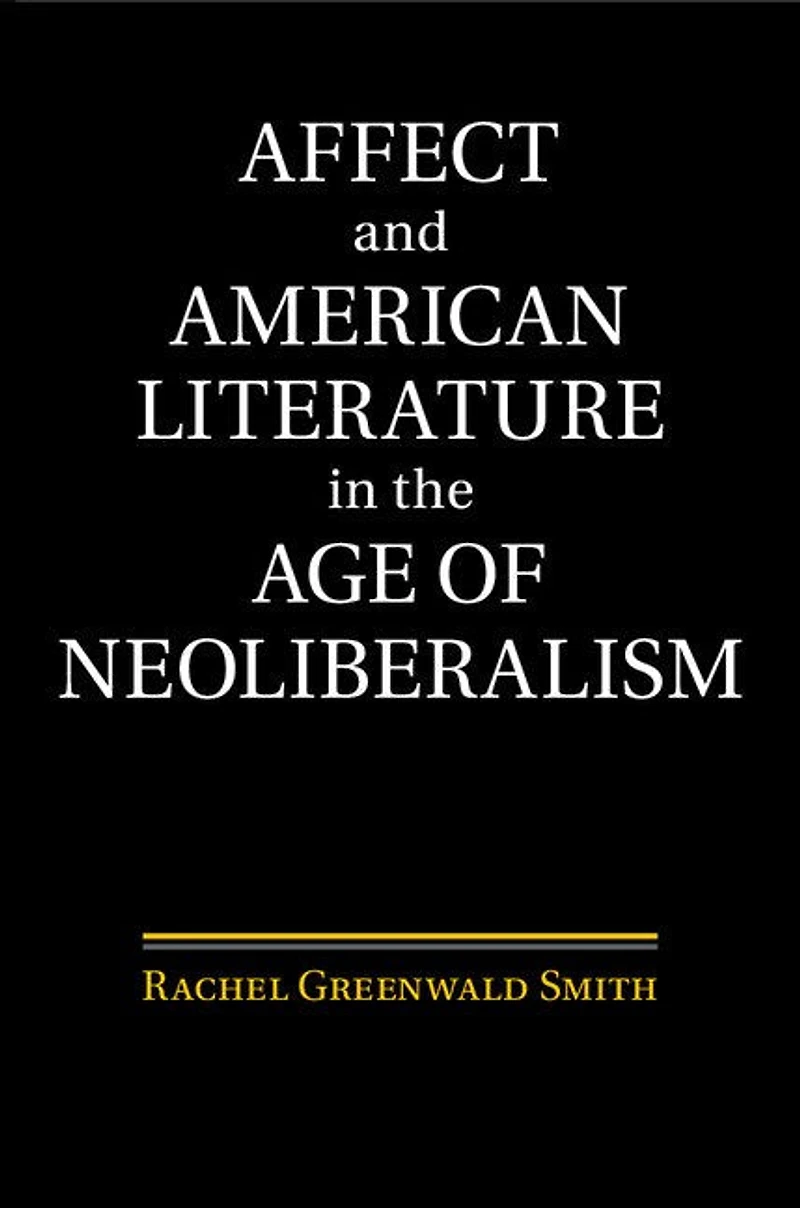
Affect and American Literature the Age of Neoliberalism in Brampton, ON
Current price: $157.95
Coles
Affect and American Literature the Age of Neoliberalism in Brampton, ON
Current price: $157.95
Loading Inventory...
Size: Hardcover
*Product information and pricing may vary - to confirm current pricing, availability, shipping, and return information please contact Coles. In the event of a pricing discrepancy, the retailer's price will apply.
Rachel Greenwald Smith's Affect and American Literature in the Age of Neoliberalism examines the relationship between American literature and politics in the twentieth- and twenty-first centuries. Smith contends that the representation of emotions in contemporary fiction emphasizes the personal lives of characters at a time when there is an unprecedented, and often damaging, focus on the individual in American life. Through readings of works by Paul Auster, Karen Tei Yamashita, Ben Marcus, Lydia Millet, and others who stage experiments in the relationship between feeling and form, Smith argues for the centrality of a counter-tradition in contemporary literature concerned with impersonal feelings: feelings that challenge the neoliberal notion that emotions are the property of the self.
Rachel Greenwald Smith's Affect and American Literature in the Age of Neoliberalism examines the relationship between American literature and politics in the twentieth- and twenty-first centuries. Smith contends that the representation of emotions in contemporary fiction emphasizes the personal lives of characters at a time when there is an unprecedented, and often damaging, focus on the individual in American life. Through readings of works by Paul Auster, Karen Tei Yamashita, Ben Marcus, Lydia Millet, and others who stage experiments in the relationship between feeling and form, Smith argues for the centrality of a counter-tradition in contemporary literature concerned with impersonal feelings: feelings that challenge the neoliberal notion that emotions are the property of the self.
You May Also Like

















Find at Bramalea City Centre in Brampton, ON
Visit at Bramalea City Centre in Brampton, ON