



Gifting Made Simple
Give the Gift of ChoiceClick below to purchase a Bramalea City Centre eGift Card that can be used at participating retailers at Bramalea City Centre.Purchase HereHome
Aesthetic Genesis: the Origin of Consciousness Intentional Being Nature
Coles
Loading Inventory...
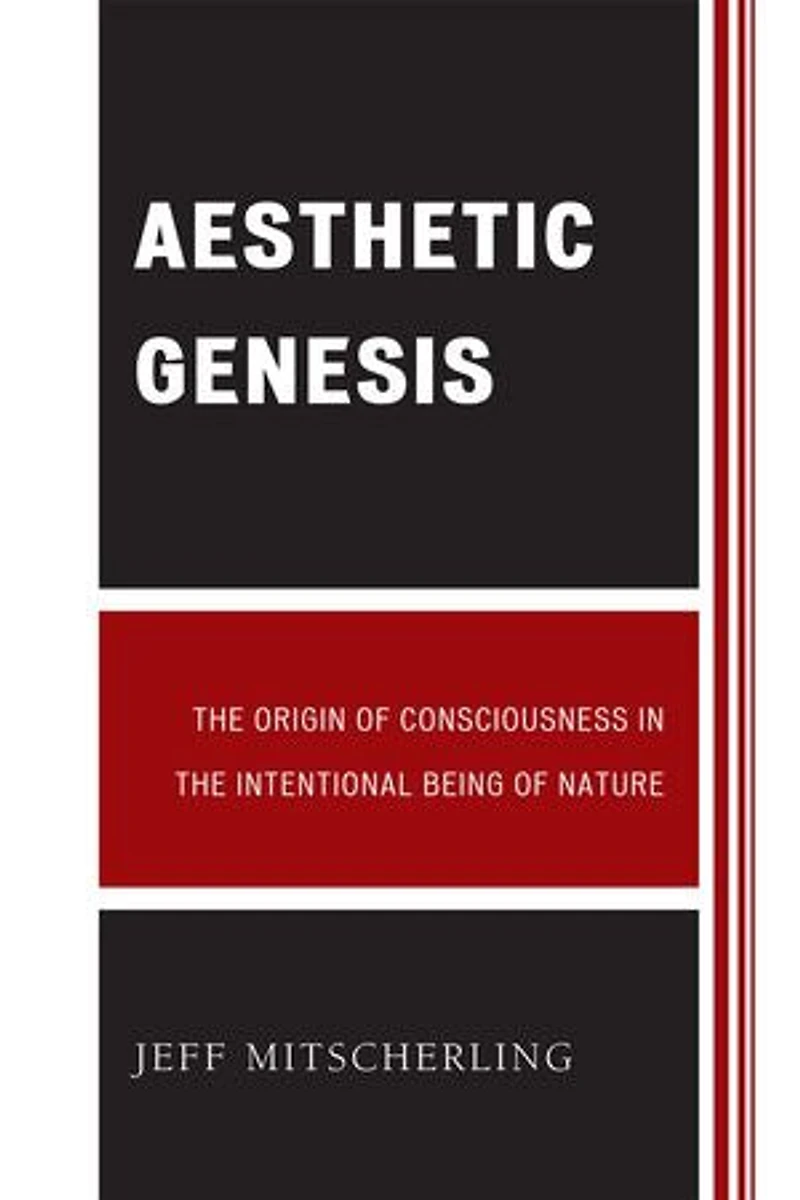
Aesthetic Genesis: the Origin of Consciousness Intentional Being Nature in Brampton, ON
Current price: $54.69
Original price: $68.35
Coles
Aesthetic Genesis: the Origin of Consciousness Intentional Being Nature in Brampton, ON
Current price: $54.69
Original price: $68.35
Loading Inventory...
Size: Kobo eBook
*Product information and pricing may vary - to confirm current pricing, availability, shipping, and return information please contact Coles. In the event of a pricing discrepancy, the retailer's price will apply.
In Aesthetic Genesis, the author argues for a reversal of the most fundamental tenet of phenomenology-namely, that all consciousness is intentional (that is, directed toward an object). Mitscherling suggests, as a new "Copernican hypothesis," that intentionality (i.e., directionality) gives rise to consciousness. This book describes not only the origin, or "genesis," of human cognition in sensation, but also the genesis of sensation from intentional structures belonging to nature itself. A phenomenological examination of our experience leads to the conclusion that the two sorts of being generally recognized by contemporary science and philosophy-that is, material being and ideal being-prove ontologically inadequate to account for this experience. Mitscherling rehabilitates the pre-modern concepts of "intentional being" and "formal causality" and employs them in the construction of a comprehensive phenomenological analysis of embodiment, aesthetic experience, the interpretation of texts, moral behavior, and cognition in general.
In Aesthetic Genesis, the author argues for a reversal of the most fundamental tenet of phenomenology-namely, that all consciousness is intentional (that is, directed toward an object). Mitscherling suggests, as a new "Copernican hypothesis," that intentionality (i.e., directionality) gives rise to consciousness. This book describes not only the origin, or "genesis," of human cognition in sensation, but also the genesis of sensation from intentional structures belonging to nature itself. A phenomenological examination of our experience leads to the conclusion that the two sorts of being generally recognized by contemporary science and philosophy-that is, material being and ideal being-prove ontologically inadequate to account for this experience. Mitscherling rehabilitates the pre-modern concepts of "intentional being" and "formal causality" and employs them in the construction of a comprehensive phenomenological analysis of embodiment, aesthetic experience, the interpretation of texts, moral behavior, and cognition in general.
You May Also Like


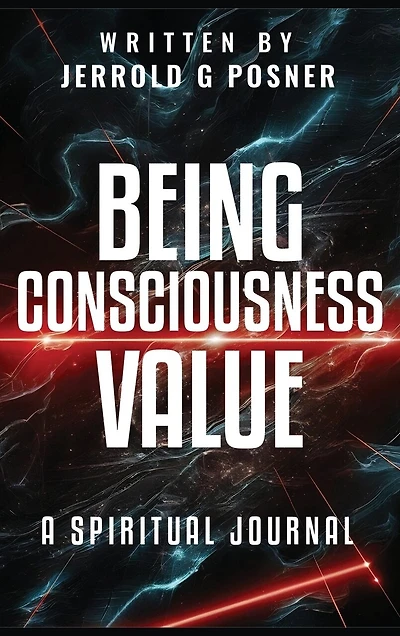

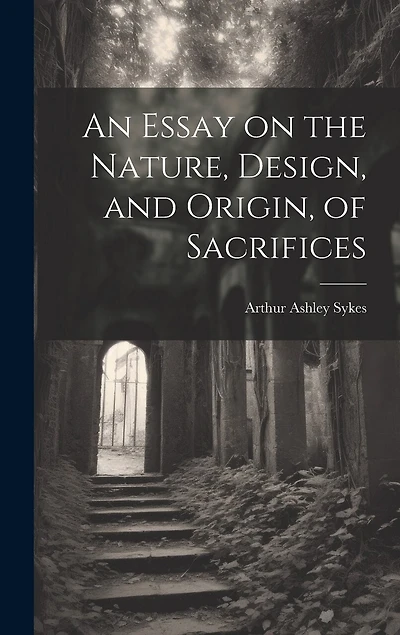












Find at Bramalea City Centre in Brampton, ON
Visit at Bramalea City Centre in Brampton, ON