



Gifting Made Simple
Give the Gift of ChoiceClick below to purchase a Bramalea City Centre eGift Card that can be used at participating retailers at Bramalea City Centre.Purchase HereHome
Advancing Gene Fusion Detection Towards Personalized Cancer Nanodiagnostics
Coles
Loading Inventory...
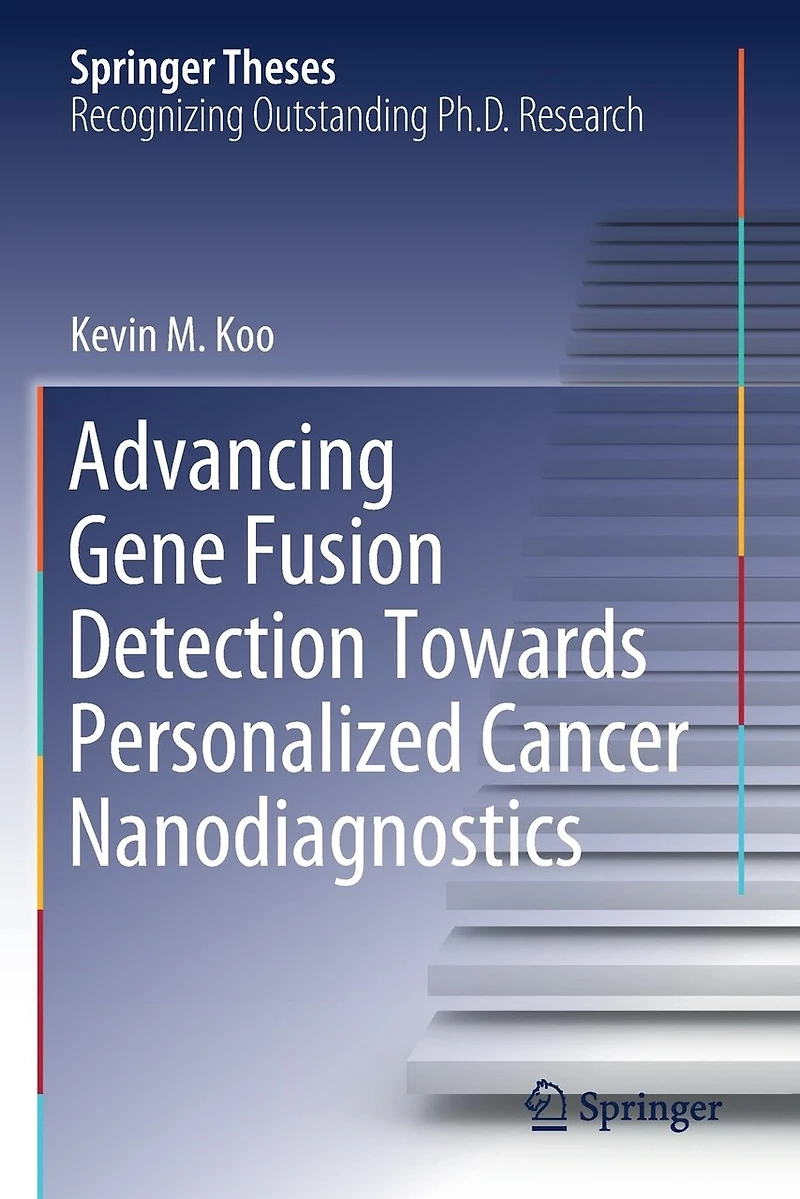
Advancing Gene Fusion Detection Towards Personalized Cancer Nanodiagnostics in Brampton, ON
Current price: $160.95
Coles
Advancing Gene Fusion Detection Towards Personalized Cancer Nanodiagnostics in Brampton, ON
Current price: $160.95
Loading Inventory...
Size: Paperback
*Product information and pricing may vary - to confirm current pricing, availability, shipping, and return information please contact Coles. In the event of a pricing discrepancy, the retailer's price will apply.
This book presents a unique concept of merging nanotechnology and novel urinary biomarkers for accurate early prostate cancer detection, discussing an entire progressive pipeline of innovative new strategies in biosensor development, from a simple colorimetric system to a complex system for simultaneous multiple biomarker sensing. For newcomers to the field of nucleic acid biosensing, it also describes various isothermal amplification and amplification-free strategies, which are currently the main research areas. Lastly, the book introduces and demonstrates the notion of clinical nanobiosensor validation toward clinical translation: the ultimate aim of researchers in the biosensor field. This book is a valuable reference resource learners seeking inspiration for cancer biosensor development.
This book presents a unique concept of merging nanotechnology and novel urinary biomarkers for accurate early prostate cancer detection, discussing an entire progressive pipeline of innovative new strategies in biosensor development, from a simple colorimetric system to a complex system for simultaneous multiple biomarker sensing. For newcomers to the field of nucleic acid biosensing, it also describes various isothermal amplification and amplification-free strategies, which are currently the main research areas. Lastly, the book introduces and demonstrates the notion of clinical nanobiosensor validation toward clinical translation: the ultimate aim of researchers in the biosensor field. This book is a valuable reference resource learners seeking inspiration for cancer biosensor development.
You May Also Like










Find at Bramalea City Centre in Brampton, ON
Visit at Bramalea City Centre in Brampton, ON