



Gifting Made Simple
Give the Gift of ChoiceClick below to purchase a Bramalea City Centre eGift Card that can be used at participating retailers at Bramalea City Centre.Purchase HereHome
Advances in Asphalt Pavement Technologies and Practices
Coles
Loading Inventory...
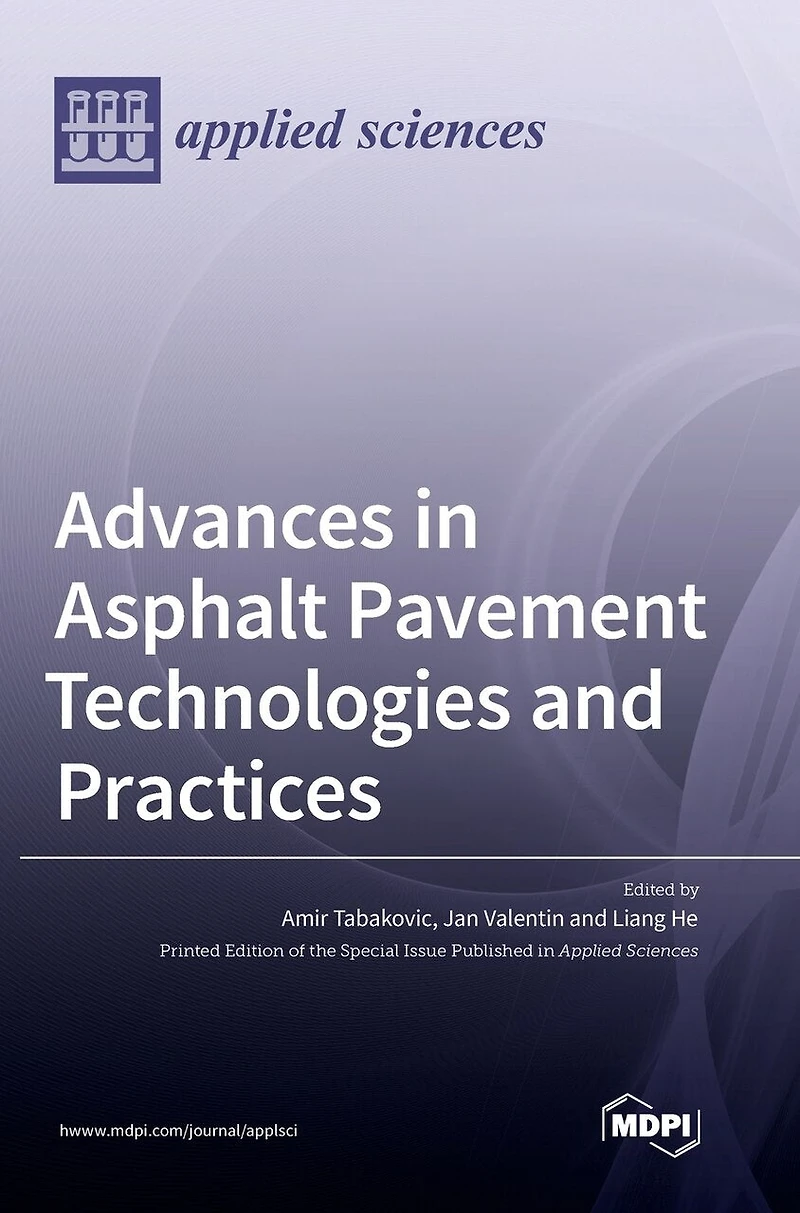
Advances in Asphalt Pavement Technologies and Practices in Brampton, ON
Current price: $126.58
Coles
Advances in Asphalt Pavement Technologies and Practices in Brampton, ON
Current price: $126.58
Loading Inventory...
Size: Hardcover
*Product information and pricing may vary - to confirm current pricing, availability, shipping, and return information please contact Coles. In the event of a pricing discrepancy, the retailer's price will apply.
Unlike other construction materials, road materials have developed minimally over the past 100 years. However, since the 1970s, the focus has been on more sustainable road construction materials such as recycled asphalt pavements. Recycling asphalt involves removing old asphalt and mixing it with new (fresh) aggregates, binders, and/or rejuvenators. Similarly, there are various efforts to use alternative modifiers and technical solutions such as crumb rubber, plastics, or various types of fibres. For the past two decades, researchers have been developing novel materials and technologies, such as self-healing materials, in order to improve road design, construction, and maintenance efficiency and reduce the financial and environmental burden of road construction. This Special Issue on "Advances in Asphalt Pavement Technologies and Practices" curates advanced/novel work on asphalt pavement design, construction, and maintenance. The Special Issue comprises 19 papers describing unique works that address the current challenges that the asphalt industry and road owners face.
Unlike other construction materials, road materials have developed minimally over the past 100 years. However, since the 1970s, the focus has been on more sustainable road construction materials such as recycled asphalt pavements. Recycling asphalt involves removing old asphalt and mixing it with new (fresh) aggregates, binders, and/or rejuvenators. Similarly, there are various efforts to use alternative modifiers and technical solutions such as crumb rubber, plastics, or various types of fibres. For the past two decades, researchers have been developing novel materials and technologies, such as self-healing materials, in order to improve road design, construction, and maintenance efficiency and reduce the financial and environmental burden of road construction. This Special Issue on "Advances in Asphalt Pavement Technologies and Practices" curates advanced/novel work on asphalt pavement design, construction, and maintenance. The Special Issue comprises 19 papers describing unique works that address the current challenges that the asphalt industry and road owners face.
You May Also Like











Find at Bramalea City Centre in Brampton, ON
Visit at Bramalea City Centre in Brampton, ON