



Gifting Made Simple
Give the Gift of ChoiceClick below to purchase a Bramalea City Centre eGift Card that can be used at participating retailers at Bramalea City Centre.Purchase HereHome
Advanced Students’ Knowledge of Vocabulary a First and Second Language
Coles
Loading Inventory...
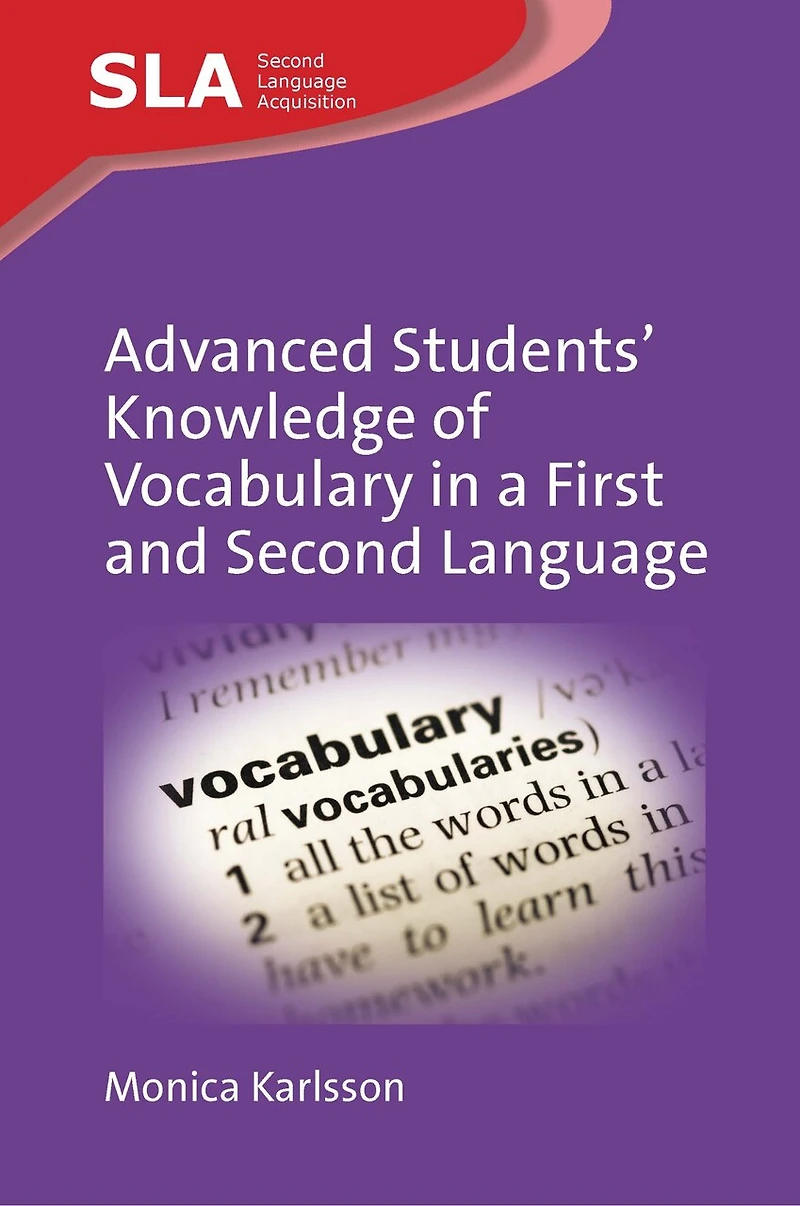
Advanced Students’ Knowledge of Vocabulary a First and Second Language in Brampton, ON
Current price: $264.95
Coles
Advanced Students’ Knowledge of Vocabulary a First and Second Language in Brampton, ON
Current price: $264.95
Loading Inventory...
Size: Hardcover
*Product information and pricing may vary - to confirm current pricing, availability, shipping, and return information please contact Coles. In the event of a pricing discrepancy, the retailer's price will apply.
This book offers a comprehensive investigation into advanced students’ knowledge of vocabulary in their L1 and L2. As a cross-sectional study, it examines the quantitative aspects of students’ vocabulary knowledge through parallel tests of upper secondary level vocabulary, specialised vocabulary, and advanced vocabulary in both their L1 and L2. It also, primarily in qualitative terms, investigates students' L1 and L2 knowledge of polysemous words, lexical fields of near synonyms and false friends. Knowledge of derivative forms, idioms, proverbs, idiomatically used prepositions and multi-word verbs offer insights into both the breadth and depth of students’ L1 and L2 vocabulary knowledge. Finally, it considers the extent to which students’ results can be attributed to differences between inferencing skills in their L1 and L2. In each subfield, the pedagogical implications of the findings are discussed. This book will be of interest to teachers and researchers focusing on the teaching and learning of vocabulary.
This book offers a comprehensive investigation into advanced students’ knowledge of vocabulary in their L1 and L2. As a cross-sectional study, it examines the quantitative aspects of students’ vocabulary knowledge through parallel tests of upper secondary level vocabulary, specialised vocabulary, and advanced vocabulary in both their L1 and L2. It also, primarily in qualitative terms, investigates students' L1 and L2 knowledge of polysemous words, lexical fields of near synonyms and false friends. Knowledge of derivative forms, idioms, proverbs, idiomatically used prepositions and multi-word verbs offer insights into both the breadth and depth of students’ L1 and L2 vocabulary knowledge. Finally, it considers the extent to which students’ results can be attributed to differences between inferencing skills in their L1 and L2. In each subfield, the pedagogical implications of the findings are discussed. This book will be of interest to teachers and researchers focusing on the teaching and learning of vocabulary.
You May Also Like
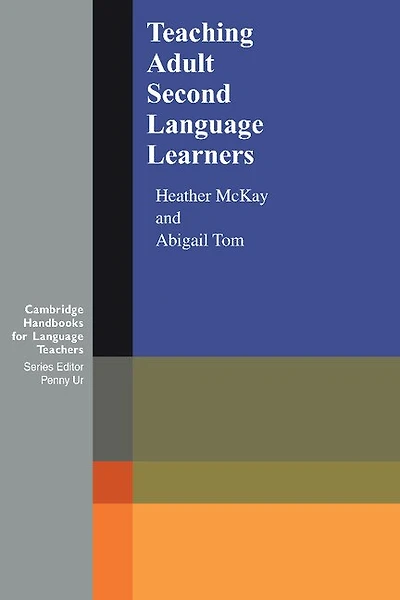








Find at Bramalea City Centre in Brampton, ON
Visit at Bramalea City Centre in Brampton, ON