



Gifting Made Simple
Give the Gift of ChoiceClick below to purchase a Bramalea City Centre eGift Card that can be used at participating retailers at Bramalea City Centre.Purchase HereHome
Advanced Spectroscopic Techniques for Food Quality
Coles
Loading Inventory...
Advanced Spectroscopic Techniques for Food Quality in Brampton, ON
Current price: $239.99
Original price: $300.00
Coles
Advanced Spectroscopic Techniques for Food Quality in Brampton, ON
Current price: $239.99
Original price: $300.00
Loading Inventory...
Size: Kobo eBook
*Product information and pricing may vary - to confirm current pricing, availability, shipping, and return information please contact Coles. In the event of a pricing discrepancy, the retailer's price will apply.
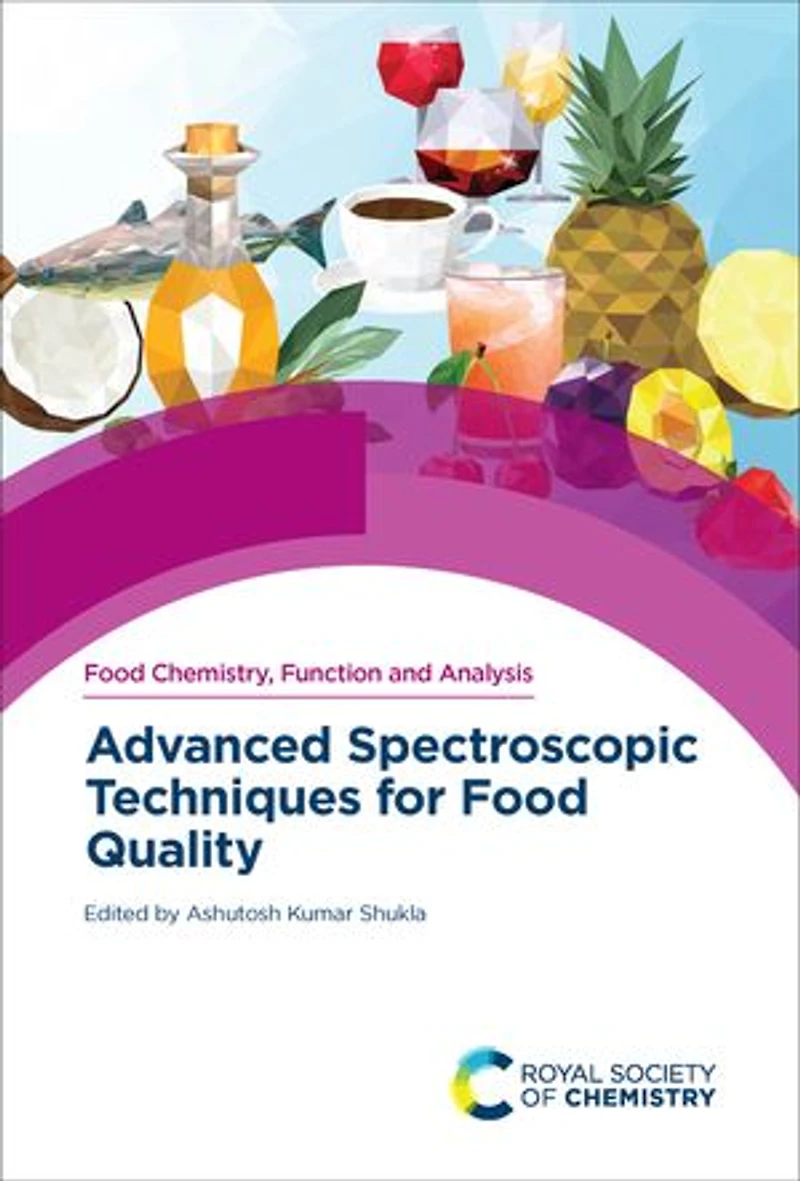
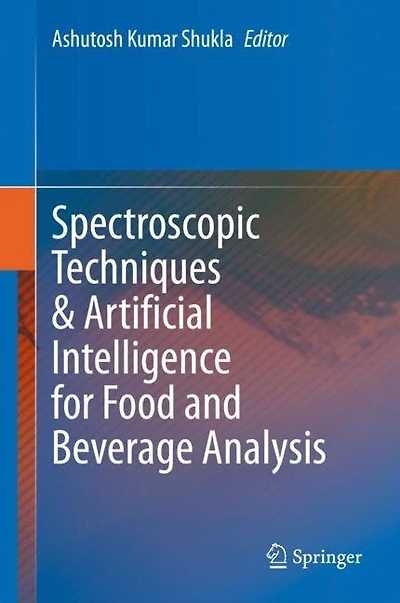
The use of spectroscopy in food analysis is growing and this informative volume presents the application of advanced spectroscopic techniques in the analysis of food quality. The spectroscopic techniques include visible and NIR spectroscopy, FTIR spectroscopy and Laser-induced Breakdown Spectroscopy (LIBS). A wide range of food and beverage items are covered including tea, coffee and wine. The chapters will highlight the potential of spectroscopic techniques to enrich the food quality analysis experience when coupled with artificial intelligence and machine learning and provide a good opportunity to assess and critically lay out any future prospects.
Different chapters have been written using a bottom-up approach that suits the needs of novice researchers and at the same time offers a smooth read for professionals. The book will also be of use to those developing spectroscopic facilities providing a useful cross comparison of the various techniques.
The use of spectroscopy in food analysis is growing and this informative volume presents the application of advanced spectroscopic techniques in the analysis of food quality. The spectroscopic techniques include visible and NIR spectroscopy, FTIR spectroscopy and Laser-induced Breakdown Spectroscopy (LIBS). A wide range of food and beverage items are covered including tea, coffee and wine. The chapters will highlight the potential of spectroscopic techniques to enrich the food quality analysis experience when coupled with artificial intelligence and machine learning and provide a good opportunity to assess and critically lay out any future prospects.
Different chapters have been written using a bottom-up approach that suits the needs of novice researchers and at the same time offers a smooth read for professionals. The book will also be of use to those developing spectroscopic facilities providing a useful cross comparison of the various techniques.
You May Also Like










Find at Bramalea City Centre in Brampton, ON
Visit at Bramalea City Centre in Brampton, ON