



Gifting Made Simple
Give the Gift of ChoiceClick below to purchase a Bramalea City Centre eGift Card that can be used at participating retailers at Bramalea City Centre.Purchase HereHome
Advanced Sensing and Control for Connected and Automated Vehicles
Coles
Loading Inventory...
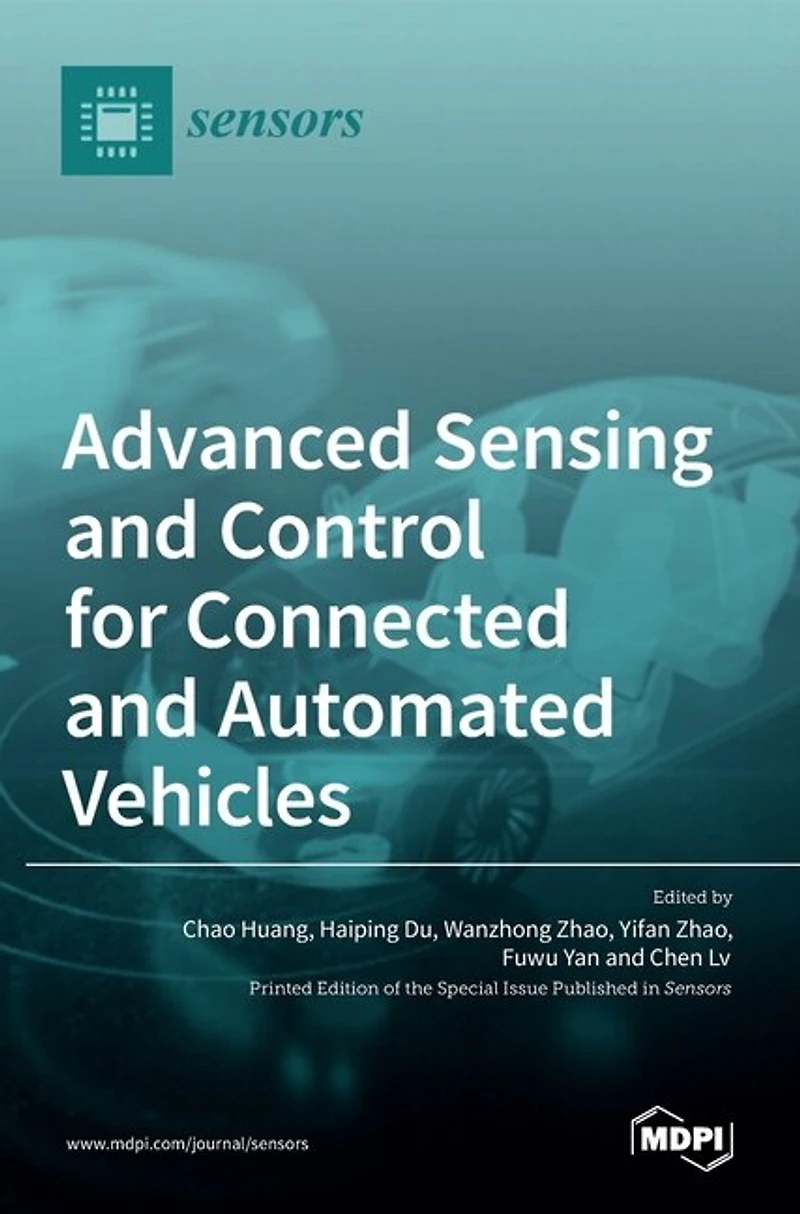
Advanced Sensing and Control for Connected and Automated Vehicles in Brampton, ON
Current price: $94.70
Coles
Advanced Sensing and Control for Connected and Automated Vehicles in Brampton, ON
Current price: $94.70
Loading Inventory...
Size: Hardcover
*Product information and pricing may vary - to confirm current pricing, availability, shipping, and return information please contact Coles. In the event of a pricing discrepancy, the retailer's price will apply.
Connected and automated vehicles (CAVs) are a transformative technology that is expected to change and improve the safety and efficiency of mobility. As the main functional components of CAVs, advanced sensing technologies and control algorithms, which gather environmental information, process data, and control vehicle motion, are of great importance. The development of novel sensing technologies for CAVs has become a hotspot in recent years. Thanks to improved sensing technologies, CAVs are able to interpret sensory information to further detect obstacles, localize their positions, navigate themselves, and interact with other surrounding vehicles in the dynamic environment. Furthermore, leveraging computer vision and other sensing methods, in-cabin humans' body activities, facial emotions, and even mental states can also be recognized. Therefore, the aim of this Special Issue has been to gather contributions that illustrate the interest in the sensing and control of CAVs.
Connected and automated vehicles (CAVs) are a transformative technology that is expected to change and improve the safety and efficiency of mobility. As the main functional components of CAVs, advanced sensing technologies and control algorithms, which gather environmental information, process data, and control vehicle motion, are of great importance. The development of novel sensing technologies for CAVs has become a hotspot in recent years. Thanks to improved sensing technologies, CAVs are able to interpret sensory information to further detect obstacles, localize their positions, navigate themselves, and interact with other surrounding vehicles in the dynamic environment. Furthermore, leveraging computer vision and other sensing methods, in-cabin humans' body activities, facial emotions, and even mental states can also be recognized. Therefore, the aim of this Special Issue has been to gather contributions that illustrate the interest in the sensing and control of CAVs.
You May Also Like










Find at Bramalea City Centre in Brampton, ON
Visit at Bramalea City Centre in Brampton, ON