



Gifting Made Simple
Give the Gift of ChoiceClick below to purchase a Bramalea City Centre eGift Card that can be used at participating retailers at Bramalea City Centre.Purchase HereHome
Adolf Loos: Private Spaces
Coles
Loading Inventory...
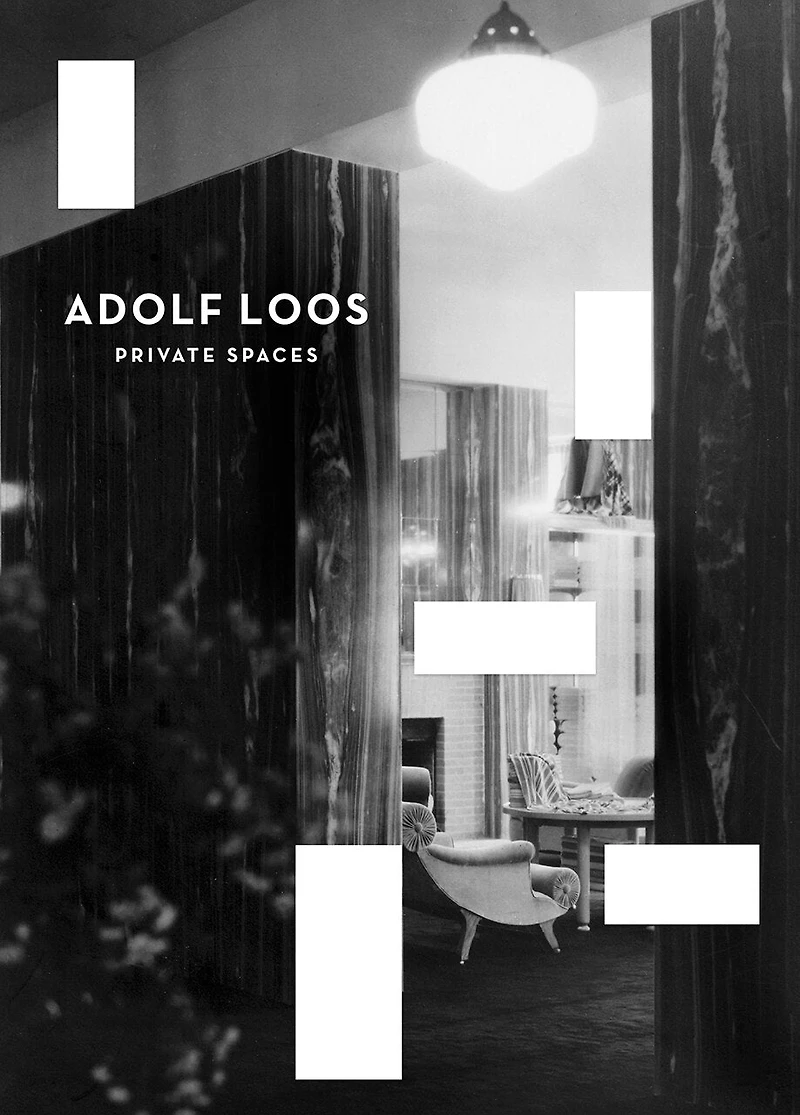
Adolf Loos: Private Spaces in Brampton, ON
Current price: $41.95
Coles
Adolf Loos: Private Spaces in Brampton, ON
Current price: $41.95
Loading Inventory...
Size: Paperback
*Product information and pricing may vary - to confirm current pricing, availability, shipping, and return information please contact Coles. In the event of a pricing discrepancy, the retailer's price will apply.
Adolf Loos held that a building should have a soberly discreet exterior, reserving all its riches for its interior. Given that, any real appreciation of the spatial complexity of the work of one of the most misunderstood architects of the twentieth century requires engagement with his interiors, which this book does, brilliantly.
In marked contrast to his contemporaries in the Vienna Secession, who designed their spaces down to the smallest detail, Loos presented himself as a “professor of interior design,” perfectly willing to adapt to the habits and tastes of his clients, inviting them to embrace their own tastelessness rather than defer to the discernment of an “aesthete” architect. Together with the future occupant, he designed welcoming interiors whose warmth came from the effective use of quality materials and the creation of a flowing continuity articulated by the furnishings. What Loos created thereby was not merely architecture, but a new culture of living.
Adolf Loos held that a building should have a soberly discreet exterior, reserving all its riches for its interior. Given that, any real appreciation of the spatial complexity of the work of one of the most misunderstood architects of the twentieth century requires engagement with his interiors, which this book does, brilliantly.
In marked contrast to his contemporaries in the Vienna Secession, who designed their spaces down to the smallest detail, Loos presented himself as a “professor of interior design,” perfectly willing to adapt to the habits and tastes of his clients, inviting them to embrace their own tastelessness rather than defer to the discernment of an “aesthete” architect. Together with the future occupant, he designed welcoming interiors whose warmth came from the effective use of quality materials and the creation of a flowing continuity articulated by the furnishings. What Loos created thereby was not merely architecture, but a new culture of living.
You May Also Like












Find at Bramalea City Centre in Brampton, ON
Visit at Bramalea City Centre in Brampton, ON