



Gifting Made Simple
Give the Gift of ChoiceClick below to purchase a Bramalea City Centre eGift Card that can be used at participating retailers at Bramalea City Centre.Purchase HereHome
Adjusting Sensing Range To Maximize Throughout On Ad-hoc Multi-hop Wireless Networks
Coles
Loading Inventory...
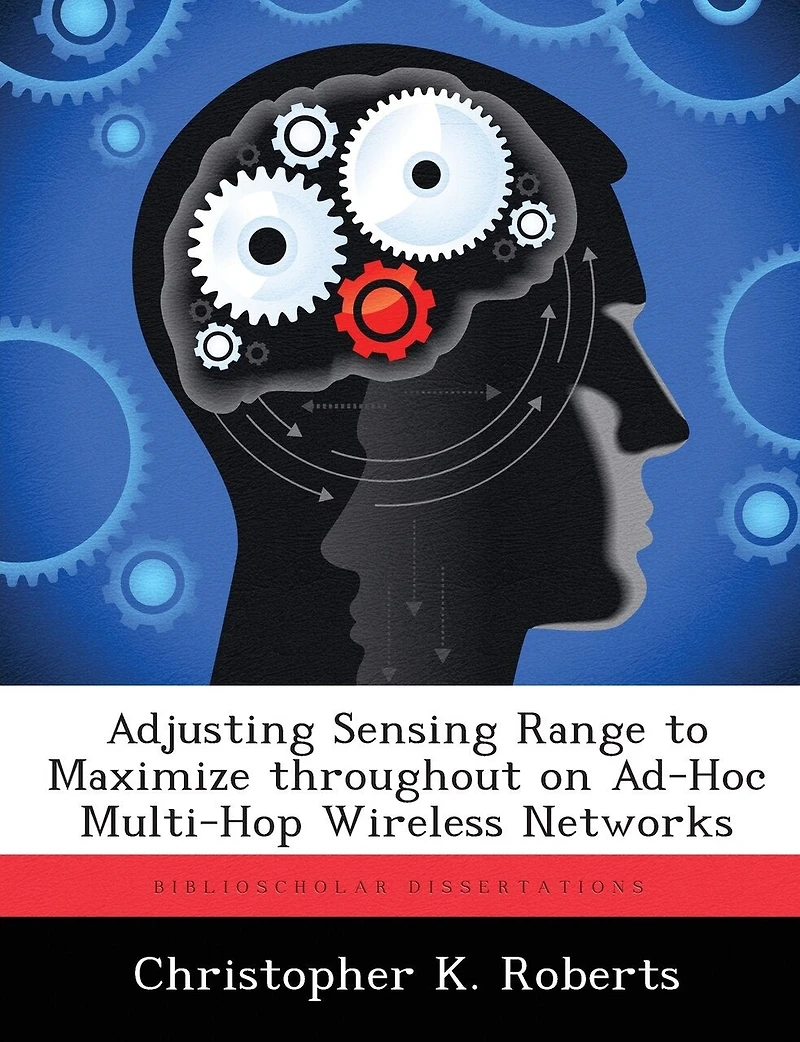
Adjusting Sensing Range To Maximize Throughout On Ad-hoc Multi-hop Wireless Networks in Brampton, ON
Current price: $60.51
Coles
Adjusting Sensing Range To Maximize Throughout On Ad-hoc Multi-hop Wireless Networks in Brampton, ON
Current price: $60.51
Loading Inventory...
Size: Paperback
*Product information and pricing may vary - to confirm current pricing, availability, shipping, and return information please contact Coles. In the event of a pricing discrepancy, the retailer's price will apply.
The use of ad-hoc wireless networks is becoming increasingly common within the United States Air Force. Such networks are able to be implemented where traditional wired networks are either impractical or too expensive. As the miniaturization of communication devices continues, it is becoming increasingly common for mobile devices to communicate directly with each other, eliminating the need for central access points. Such a network is referred to as a multi-hop ad-hoc network, or simply a multi-hop network. Most multi-hop network protocols use some form of carrier sensing to determine if the wireless channel is in use. A large sensing range can reduce packet collision. However, it can also decrease spatial reuse.
The use of ad-hoc wireless networks is becoming increasingly common within the United States Air Force. Such networks are able to be implemented where traditional wired networks are either impractical or too expensive. As the miniaturization of communication devices continues, it is becoming increasingly common for mobile devices to communicate directly with each other, eliminating the need for central access points. Such a network is referred to as a multi-hop ad-hoc network, or simply a multi-hop network. Most multi-hop network protocols use some form of carrier sensing to determine if the wireless channel is in use. A large sensing range can reduce packet collision. However, it can also decrease spatial reuse.
You May Also Like








Find at Bramalea City Centre in Brampton, ON
Visit at Bramalea City Centre in Brampton, ON