



Gifting Made Simple
Give the Gift of ChoiceClick below to purchase a Bramalea City Centre eGift Card that can be used at participating retailers at Bramalea City Centre.Purchase HereHome
Adjudication Religious Family Laws: Cultural Accommodation, Legal Pluralism, and Gender Equality India
Coles
Loading Inventory...
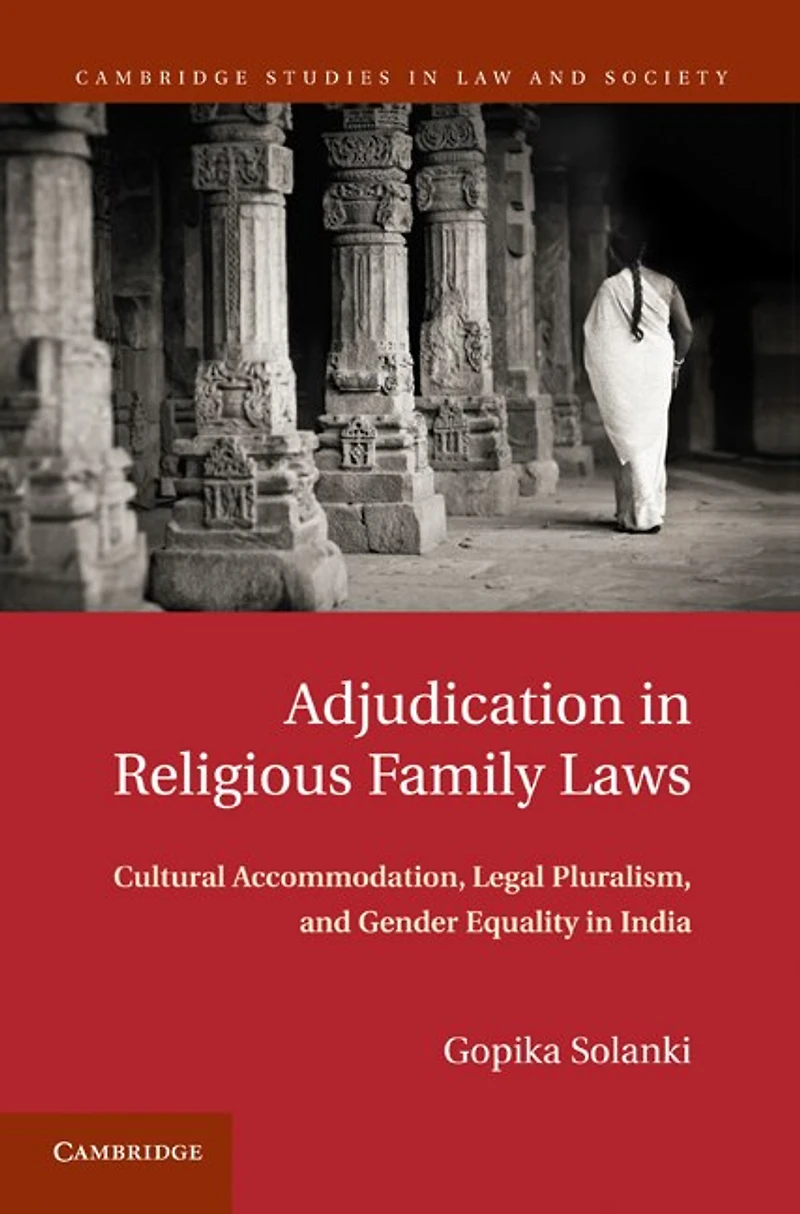
Adjudication Religious Family Laws: Cultural Accommodation, Legal Pluralism, and Gender Equality India in Brampton, ON
Current price: $177.95
Coles
Adjudication Religious Family Laws: Cultural Accommodation, Legal Pluralism, and Gender Equality India in Brampton, ON
Current price: $177.95
Loading Inventory...
Size: Hardcover
*Product information and pricing may vary - to confirm current pricing, availability, shipping, and return information please contact Coles. In the event of a pricing discrepancy, the retailer's price will apply.
How do multireligious and multiethnic societies construct accommodative arrangements that can both facilitate cultural diversity and ensure women's rights? Based on a study of legal adjudication of marriage and divorce across formal and informal arenas in contemporary Mumbai, this book argues that the shared adjudication model in which the state splits its adjudicative authority with religious groups and other societal sources in the regulation of marriage can potentially balance cultural rights and gender equality. In this model the civic and religious sources of legal authority construct, transmit, and communicate heterogeneous notions of the conjugal family, gender relations, and religious membership within the interstices of state and society. In so doing, they fracture the homogenized religious identities grounded in hierarchical gender relations within the conjugal family. The shared adjudication model facilitates diversity as it allows the construction of hybrid religious identities, creates fissures in ossified group boundaries, and provides institutional spaces for ongoing intersocietal dialogue. This pluralized legal sphere, governed by ideologically diverse legal actors, can thus increase gender equality and individual and collective legal mobilization by women effects institutional change.
How do multireligious and multiethnic societies construct accommodative arrangements that can both facilitate cultural diversity and ensure women's rights? Based on a study of legal adjudication of marriage and divorce across formal and informal arenas in contemporary Mumbai, this book argues that the shared adjudication model in which the state splits its adjudicative authority with religious groups and other societal sources in the regulation of marriage can potentially balance cultural rights and gender equality. In this model the civic and religious sources of legal authority construct, transmit, and communicate heterogeneous notions of the conjugal family, gender relations, and religious membership within the interstices of state and society. In so doing, they fracture the homogenized religious identities grounded in hierarchical gender relations within the conjugal family. The shared adjudication model facilitates diversity as it allows the construction of hybrid religious identities, creates fissures in ossified group boundaries, and provides institutional spaces for ongoing intersocietal dialogue. This pluralized legal sphere, governed by ideologically diverse legal actors, can thus increase gender equality and individual and collective legal mobilization by women effects institutional change.
You May Also Like

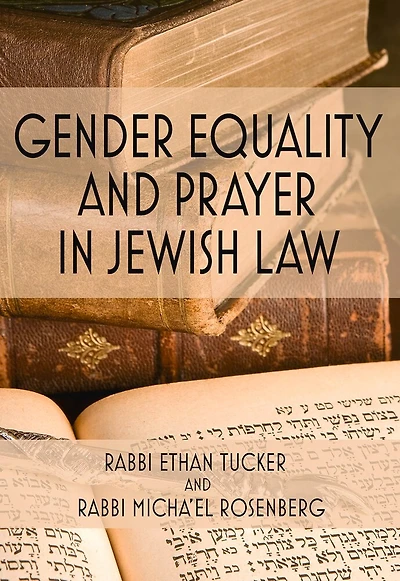
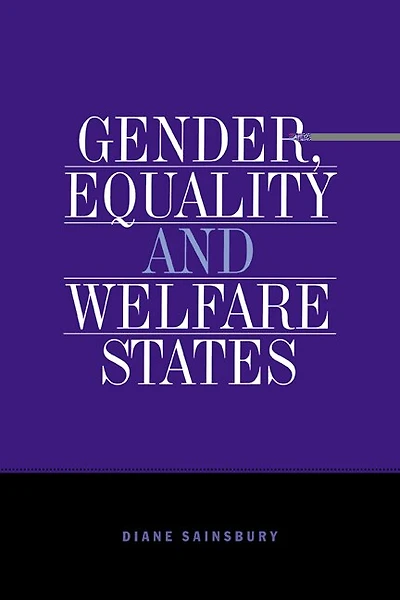










Find at Bramalea City Centre in Brampton, ON
Visit at Bramalea City Centre in Brampton, ON