



Gifting Made Simple
Give the Gift of ChoiceClick below to purchase a Bramalea City Centre eGift Card that can be used at participating retailers at Bramalea City Centre.Purchase HereHome
Addiction as an Attachment Disorder Lib/E
Coles
Loading Inventory...
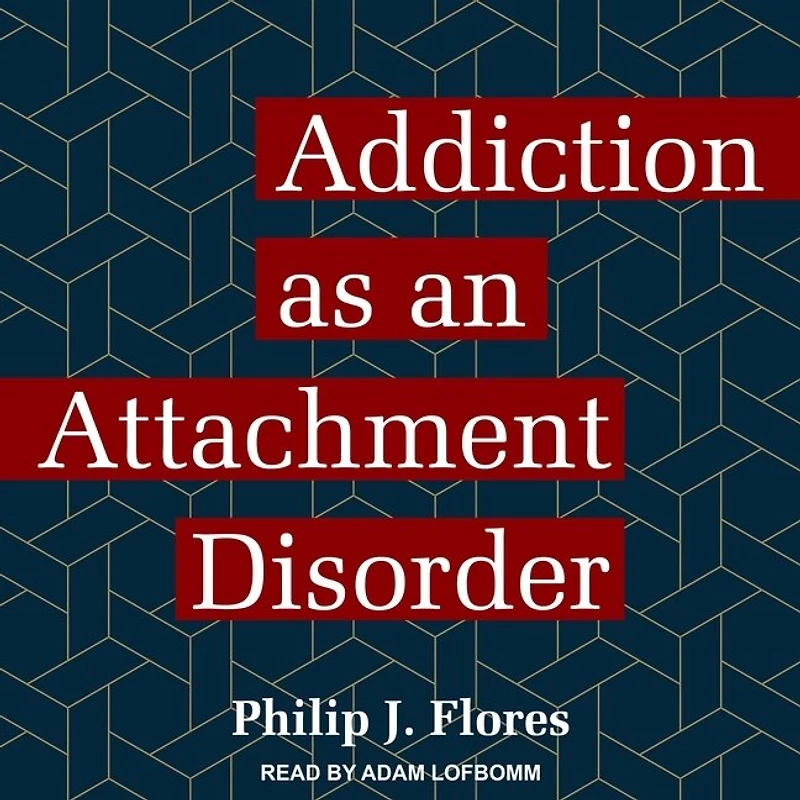
Addiction as an Attachment Disorder Lib/E in Brampton, ON
Current price: $32.50
Coles
Addiction as an Attachment Disorder Lib/E in Brampton, ON
Current price: $32.50
Loading Inventory...
Size: Audiobook (2020 A)
*Product information and pricing may vary - to confirm current pricing, availability, shipping, and return information please contact Coles. In the event of a pricing discrepancy, the retailer's price will apply.
From the Foreword: Addiction is a disorder in self-regulation. Individuals who become dependent on addictive substances cannot regulate their emotions, self-care, self-esteem, and relationships. In this monumental and illuminating text Philip Flores covers all the reasons why this is so. But it is the domain of interpersonal relations that he makes clear why individuals susceptible to substance use disorders (SUDs) are especially vulnerable. His emphasis on addiction as an attachment disorder is principally important because he provides extensive scholarly and clinical insights as to why certain vulnerable individuals so desperately need to substitute chemical solutions and connections for human ones. The strength of Flores's paradigm of addiction as an attachment disorder is that it is a theory that effectively and wisely guides treatment, but at the same time, when properly implemented or practiced, the treatment resonates with and further enhances the theory. Flores's work here is an extraordinary one because, in parsimonious and clear language, he makes a major contribution to the literature and practice of effective psychotherapy in general and effective psychotherapy for the addictions in particular.
From the Foreword: Addiction is a disorder in self-regulation. Individuals who become dependent on addictive substances cannot regulate their emotions, self-care, self-esteem, and relationships. In this monumental and illuminating text Philip Flores covers all the reasons why this is so. But it is the domain of interpersonal relations that he makes clear why individuals susceptible to substance use disorders (SUDs) are especially vulnerable. His emphasis on addiction as an attachment disorder is principally important because he provides extensive scholarly and clinical insights as to why certain vulnerable individuals so desperately need to substitute chemical solutions and connections for human ones. The strength of Flores's paradigm of addiction as an attachment disorder is that it is a theory that effectively and wisely guides treatment, but at the same time, when properly implemented or practiced, the treatment resonates with and further enhances the theory. Flores's work here is an extraordinary one because, in parsimonious and clear language, he makes a major contribution to the literature and practice of effective psychotherapy in general and effective psychotherapy for the addictions in particular.
You May Also Like
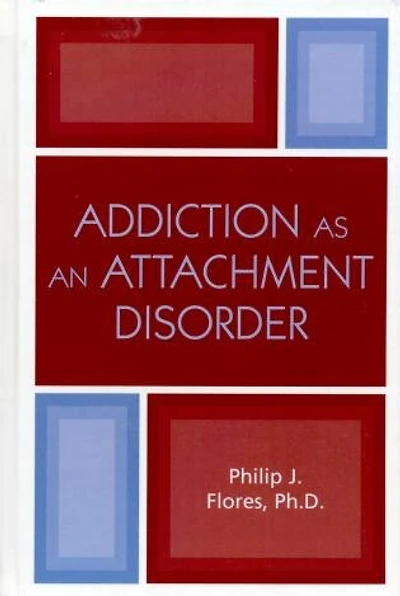











Find at Bramalea City Centre in Brampton, ON
Visit at Bramalea City Centre in Brampton, ON