



Gifting Made Simple
Give the Gift of ChoiceClick below to purchase a Bramalea City Centre eGift Card that can be used at participating retailers at Bramalea City Centre.Purchase HereHome
Adaptive Reuse Latin America: Cultural Identity, Values and Memory
Coles
Loading Inventory...
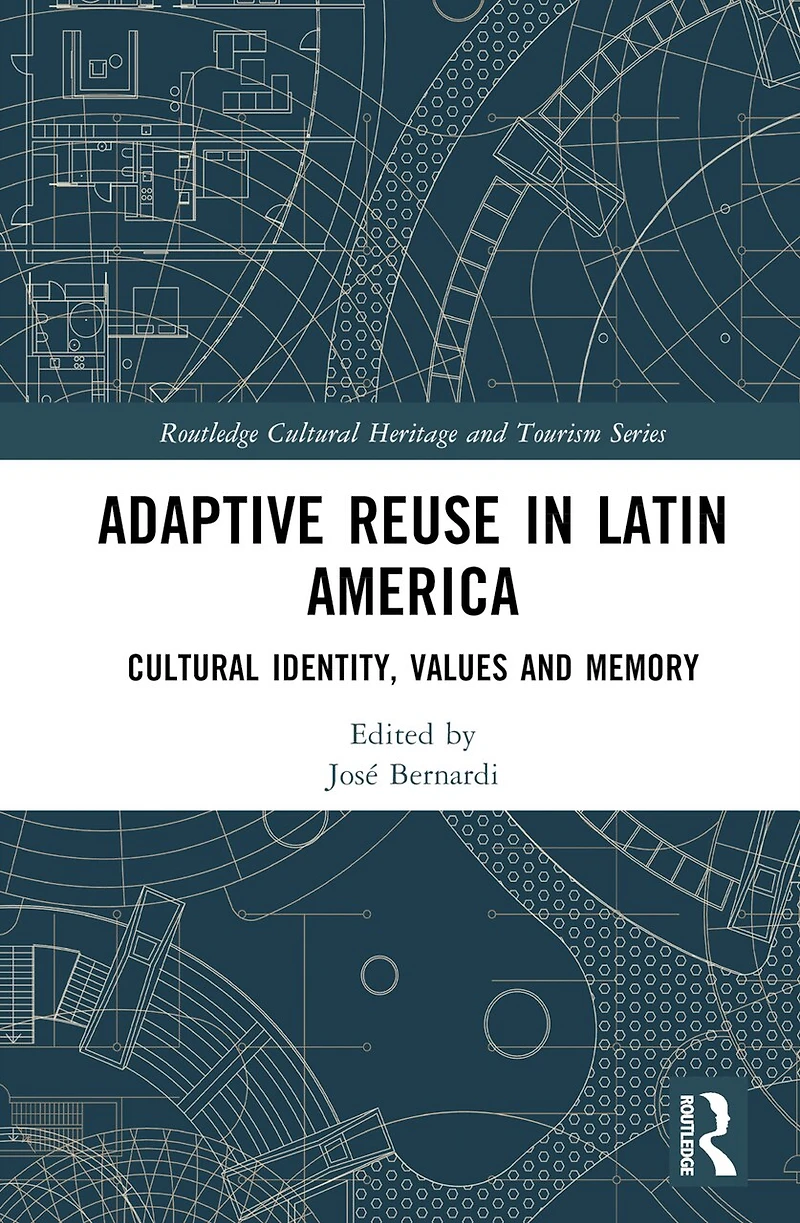
Adaptive Reuse Latin America: Cultural Identity, Values and Memory in Brampton, ON
Current price: $296.50
Coles
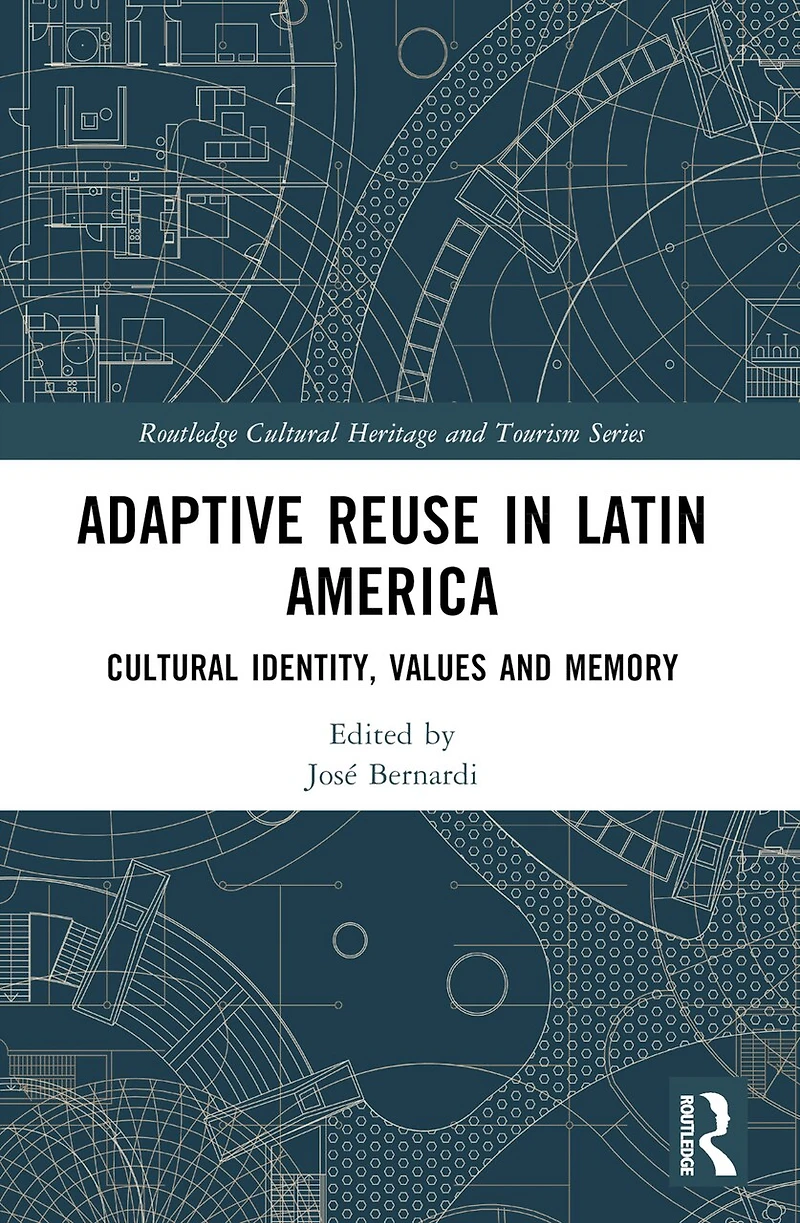
Adaptive Reuse Latin America: Cultural Identity, Values and Memory in Brampton, ON
Current price: $296.50
Loading Inventory...
Size: Hardcover
*Product information and pricing may vary - to confirm current pricing, availability, shipping, and return information please contact Coles. In the event of a pricing discrepancy, the retailer's price will apply.
This book seeks to explore the theoretical and architectural connections between memory, values, cultural identity, and adaptive reuse in Latin America. It does so by critically analyzing ideas and works within the context from where they emerge. With rich and layered historic centers, a wealth of colonial and 19th-century buildings, and the heritage from the modern era, Latin America offers a unique architectural patrimony and its contribution and impact on contemporary culture and architecture still require critical study and discussion. The chapters of this timely book consider the conflicted relationship between colonialism, native cultures, and immigration. It also explores the connections between modern projects and national identity, and contemporary interventions serving the needs of diverse societies while being cultural receptacles of memory. While most books on adaptive reuse focus on the larger general concepts, different technical approaches, and case studies, this book will contribute to the study of adaptive reuse moving away from Europe and North America, focusing instead on cases in Brazil, Mexico, Argentina, Ecuador, and Peru. This book is an important resource for researchers and students in the area of architecture, cultural, global, and design studies, heritage, geography, sociology, and history.
This book seeks to explore the theoretical and architectural connections between memory, values, cultural identity, and adaptive reuse in Latin America. It does so by critically analyzing ideas and works within the context from where they emerge. With rich and layered historic centers, a wealth of colonial and 19th-century buildings, and the heritage from the modern era, Latin America offers a unique architectural patrimony and its contribution and impact on contemporary culture and architecture still require critical study and discussion. The chapters of this timely book consider the conflicted relationship between colonialism, native cultures, and immigration. It also explores the connections between modern projects and national identity, and contemporary interventions serving the needs of diverse societies while being cultural receptacles of memory. While most books on adaptive reuse focus on the larger general concepts, different technical approaches, and case studies, this book will contribute to the study of adaptive reuse moving away from Europe and North America, focusing instead on cases in Brazil, Mexico, Argentina, Ecuador, and Peru. This book is an important resource for researchers and students in the area of architecture, cultural, global, and design studies, heritage, geography, sociology, and history.
You May Also Like










Find at Bramalea City Centre in Brampton, ON
Visit at Bramalea City Centre in Brampton, ON