



Gifting Made Simple
Give the Gift of ChoiceClick below to purchase a Bramalea City Centre eGift Card that can be used at participating retailers at Bramalea City Centre.Purchase HereHome
Adam, Satan, and the King of Tyre: The Interpretation of Ezekiel 28:11-19 in Late Antiquity
Coles
Loading Inventory...
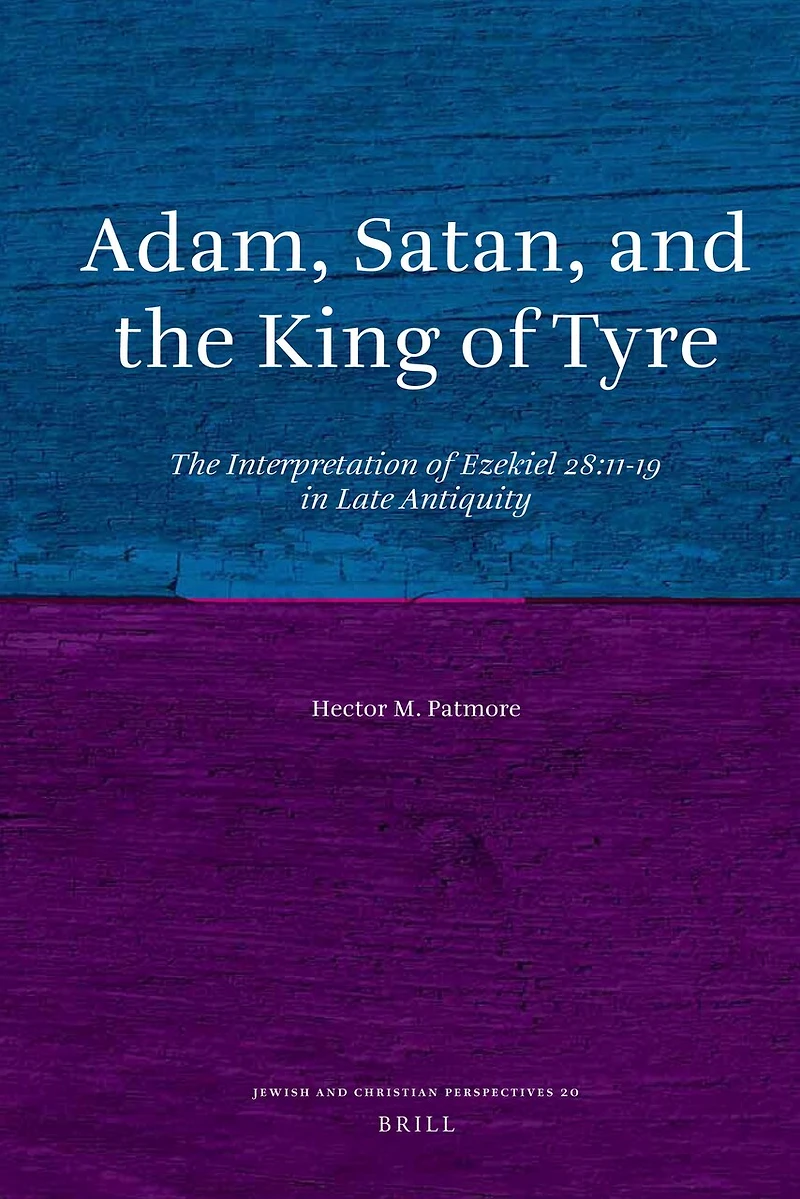
Adam, Satan, and the King of Tyre: The Interpretation of Ezekiel 28:11-19 in Late Antiquity in Brampton, ON
Current price: $233.99
Coles
Adam, Satan, and the King of Tyre: The Interpretation of Ezekiel 28:11-19 in Late Antiquity in Brampton, ON
Current price: $233.99
Loading Inventory...
Size: Hardcover
*Product information and pricing may vary - to confirm current pricing, availability, shipping, and return information please contact Coles. In the event of a pricing discrepancy, the retailer's price will apply.
The oracle against the King of Tyre, found in Ezekiel 28.12-19, is a difficult text that inspired diverse interpretations in Late Antiquity. For example, according to one rabbinic tradition the text spoke of the first man, Adam, while the Church Fathers found in the same text a description of the fall of Satan. This book studies the rabbinic sources, patristic literature, the Targum, and the ancient translations, and seeks to understand the reasons for the diverse interpretation, the interaction between the exegetical traditions and the communities of interpreters, in particular between Jews and Christians, and the effect the specific form and wording of the text had on the formation and development of each interpretation.
The oracle against the King of Tyre, found in Ezekiel 28.12-19, is a difficult text that inspired diverse interpretations in Late Antiquity. For example, according to one rabbinic tradition the text spoke of the first man, Adam, while the Church Fathers found in the same text a description of the fall of Satan. This book studies the rabbinic sources, patristic literature, the Targum, and the ancient translations, and seeks to understand the reasons for the diverse interpretation, the interaction between the exegetical traditions and the communities of interpreters, in particular between Jews and Christians, and the effect the specific form and wording of the text had on the formation and development of each interpretation.
You May Also Like








Find at Bramalea City Centre in Brampton, ON
Visit at Bramalea City Centre in Brampton, ON