



Gifting Made Simple
Give the Gift of ChoiceClick below to purchase a Bramalea City Centre eGift Card that can be used at participating retailers at Bramalea City Centre.Purchase HereHome
Acquired Tastes: Why Families Eat the Way They Do
Coles
Loading Inventory...
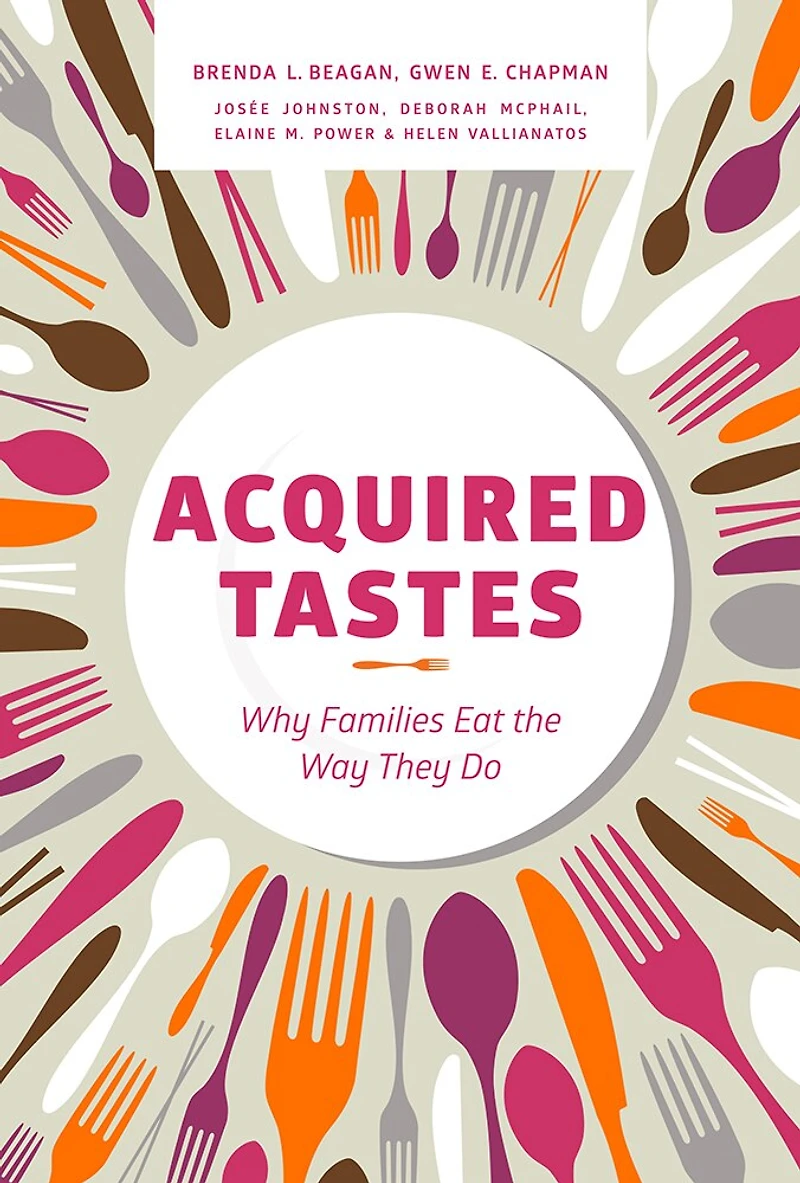
Acquired Tastes: Why Families Eat the Way They Do in Brampton, ON
Current price: $95.00
Coles
Acquired Tastes: Why Families Eat the Way They Do in Brampton, ON
Current price: $95.00
Loading Inventory...
Size: Hardcover
*Product information and pricing may vary - to confirm current pricing, availability, shipping, and return information please contact Coles. In the event of a pricing discrepancy, the retailer's price will apply.
Magazine articles, news items, and self-improvement books tell us that our daily food choices – whether we opt for steak or vegetarian, a TV dinner or a sit-down meal – serve as bold statements about who we are as individuals. Acquired Tastes makes the case that our food habits say more about where we come from and who we would like to be.
This intimate portrait of eating habits and attitudes towards food in over one hundred Canadian families in both rural and urban settings reveals that our food choices never solely reflect personal tastes. Age, gender, social class, ethnicity, health concerns, food availability, and political and moral concerns shape the meanings that families attach to food and their self-identities. They also influence how its members respond to social discourses on health, beauty, and the environment, a finding that has profound implications for public health campaigns.
Magazine articles, news items, and self-improvement books tell us that our daily food choices – whether we opt for steak or vegetarian, a TV dinner or a sit-down meal – serve as bold statements about who we are as individuals. Acquired Tastes makes the case that our food habits say more about where we come from and who we would like to be.
This intimate portrait of eating habits and attitudes towards food in over one hundred Canadian families in both rural and urban settings reveals that our food choices never solely reflect personal tastes. Age, gender, social class, ethnicity, health concerns, food availability, and political and moral concerns shape the meanings that families attach to food and their self-identities. They also influence how its members respond to social discourses on health, beauty, and the environment, a finding that has profound implications for public health campaigns.
You May Also Like



















Find at Bramalea City Centre in Brampton, ON
Visit at Bramalea City Centre in Brampton, ON