



Gifting Made Simple
Give the Gift of ChoiceClick below to purchase a Bramalea City Centre eGift Card that can be used at participating retailers at Bramalea City Centre.Purchase HereHome
Achieving sustainable cultivation of ornamental plants
Coles
Loading Inventory...
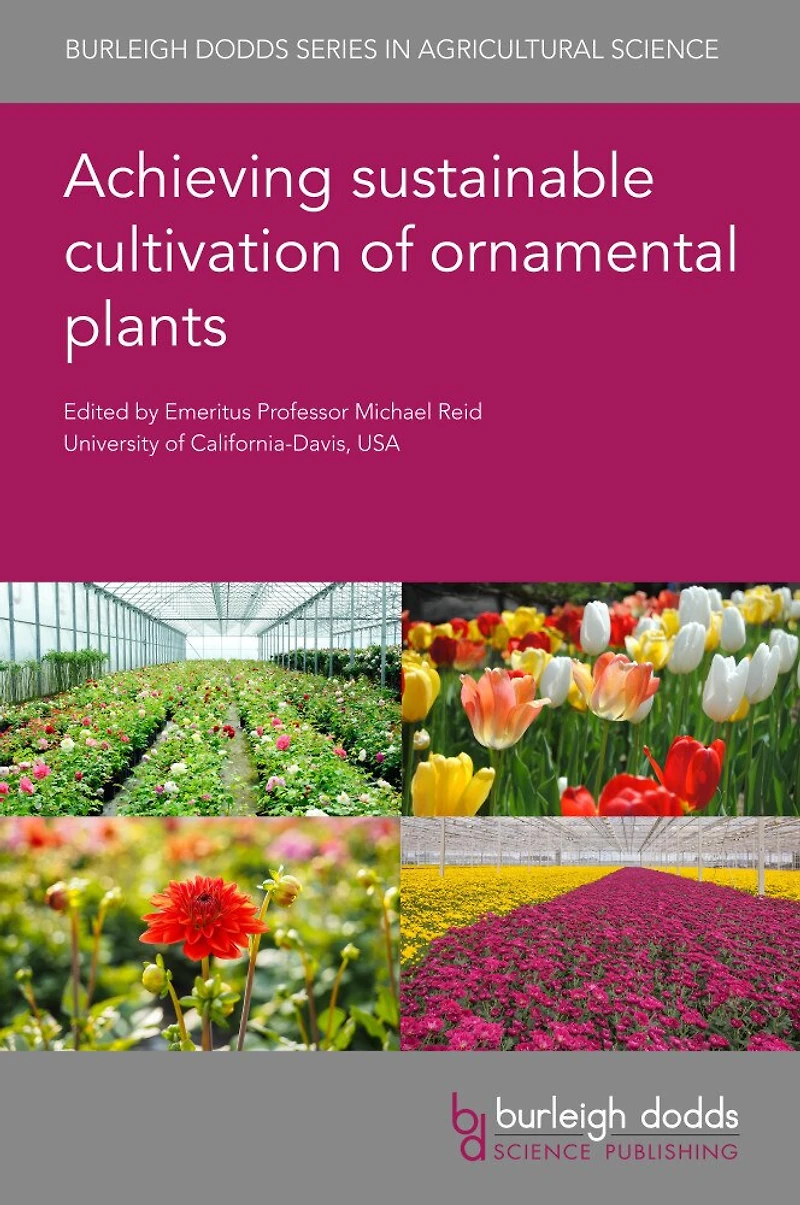
Achieving sustainable cultivation of ornamental plants in Brampton, ON
Current price: $255.00
Coles
Achieving sustainable cultivation of ornamental plants in Brampton, ON
Current price: $255.00
Loading Inventory...
Size: Hardcover
*Product information and pricing may vary - to confirm current pricing, availability, shipping, and return information please contact Coles. In the event of a pricing discrepancy, the retailer's price will apply.
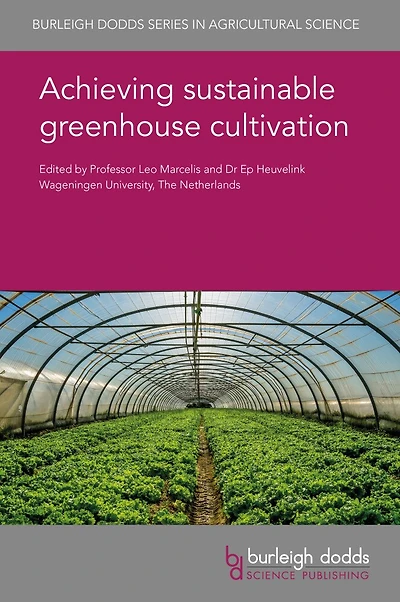
Ornamental plants are plants grown for decorative purposes. They include cut flowers, bulbs, potted plants, shrubs and trees for gardening and landscape design. Like other crops, ornamentals face challenges such as biotic and abiotic stresses as well as the need to develop more sustainable, ‘climate-smart’ methods of cultivation. This collection reviews the rich range of research addressing these challenges.
Part 1 discusses advances in understanding plant physiology, genetic diversity and breeding techniques. Chapters cover recent research on how plants respond to abiotic stress, ways of exploiting genetic diversity to improve target traits, advances in both conventional and marker-assisted breeding techniques, as well as their use to produce abiotic stress-resistant varieties. Part 2 surveys advances in cultivation techniques in such areas as nutrition, irrigation, protected cultivation and integrated disease management.
Ornamental plants are plants grown for decorative purposes. They include cut flowers, bulbs, potted plants, shrubs and trees for gardening and landscape design. Like other crops, ornamentals face challenges such as biotic and abiotic stresses as well as the need to develop more sustainable, ‘climate-smart’ methods of cultivation. This collection reviews the rich range of research addressing these challenges.
Part 1 discusses advances in understanding plant physiology, genetic diversity and breeding techniques. Chapters cover recent research on how plants respond to abiotic stress, ways of exploiting genetic diversity to improve target traits, advances in both conventional and marker-assisted breeding techniques, as well as their use to produce abiotic stress-resistant varieties. Part 2 surveys advances in cultivation techniques in such areas as nutrition, irrigation, protected cultivation and integrated disease management.
You May Also Like








Find at Bramalea City Centre in Brampton, ON
Visit at Bramalea City Centre in Brampton, ON