



Gifting Made Simple
Give the Gift of ChoiceClick below to purchase a Bramalea City Centre eGift Card that can be used at participating retailers at Bramalea City Centre.Purchase HereHome
Achieving sustainable cultivation of barley
Coles
Loading Inventory...
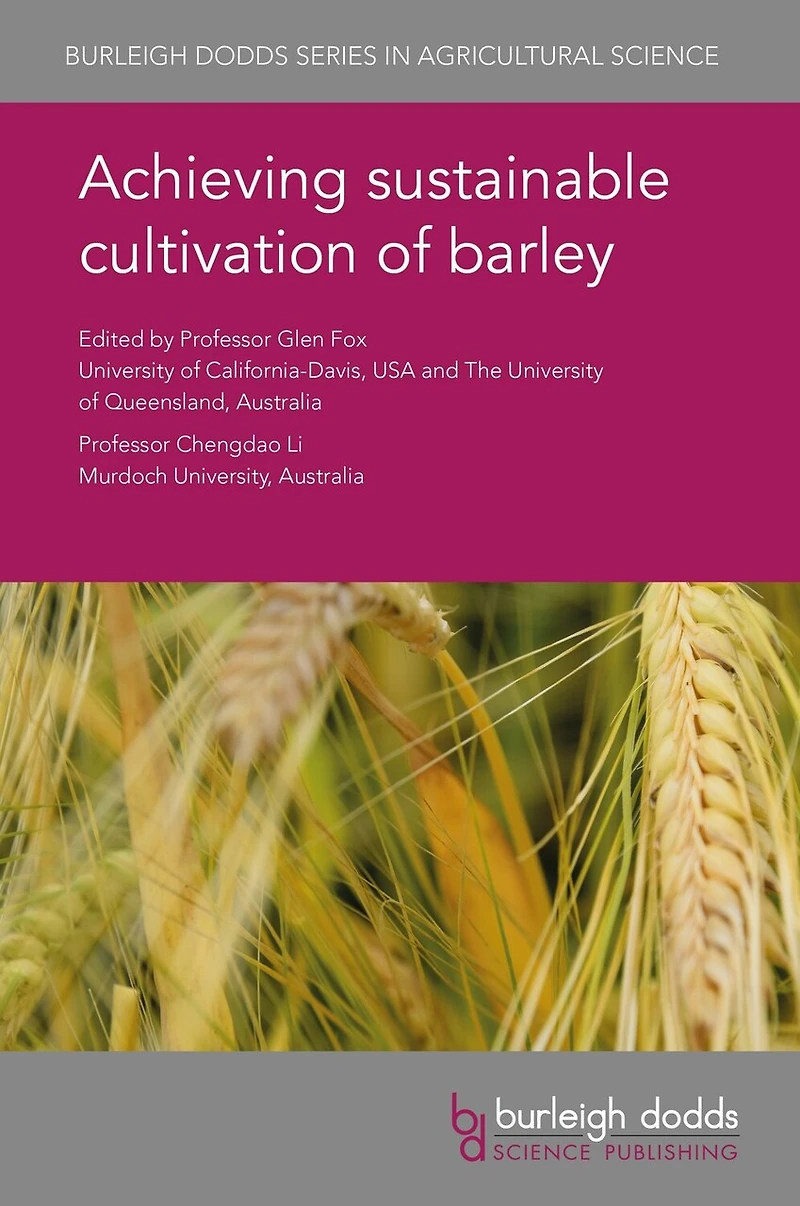
Achieving sustainable cultivation of barley in Brampton, ON
Current price: $290.00
Coles
Achieving sustainable cultivation of barley in Brampton, ON
Current price: $290.00
Loading Inventory...
Size: Hardcover
*Product information and pricing may vary - to confirm current pricing, availability, shipping, and return information please contact Coles. In the event of a pricing discrepancy, the retailer's price will apply.
This collection reviews advances in research on improving barley cultivation across the value chain. Part 1 reviews advances in understanding barley physiology in such areas as plant growth, grain development and plant response to abiotic stress.
Chapters also review current developments in exploiting genetic diversity and mapping the barley genome. Building on this foundation, the second part of the book summarises advances in breeding with chapters on breeding trial design as well as advances in molecular breeding techniques such as genome wide association studies (GWAS) and targeted induced lesions in genomes (TILLING). Part 3 looks further along the value chain at ways of optimising cultivation practices. There are chapters on post-harvest storage as well as fungal diseases, weeds and integrated methods for their management. The final part of the book assesses current developments in optimising barley for particular end uses such as malting, brewing and animal feed as well as current research on the nutraceutical properties of barley.
This collection reviews advances in research on improving barley cultivation across the value chain. Part 1 reviews advances in understanding barley physiology in such areas as plant growth, grain development and plant response to abiotic stress.
Chapters also review current developments in exploiting genetic diversity and mapping the barley genome. Building on this foundation, the second part of the book summarises advances in breeding with chapters on breeding trial design as well as advances in molecular breeding techniques such as genome wide association studies (GWAS) and targeted induced lesions in genomes (TILLING). Part 3 looks further along the value chain at ways of optimising cultivation practices. There are chapters on post-harvest storage as well as fungal diseases, weeds and integrated methods for their management. The final part of the book assesses current developments in optimising barley for particular end uses such as malting, brewing and animal feed as well as current research on the nutraceutical properties of barley.
You May Also Like
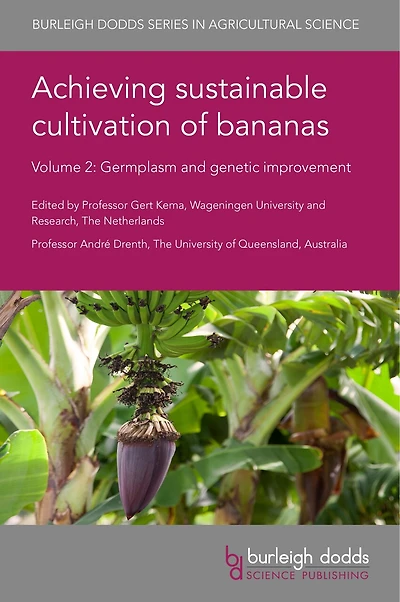








Find at Bramalea City Centre in Brampton, ON
Visit at Bramalea City Centre in Brampton, ON